India Aligns with US in Abstaining from UNGA Vote on Ukraine Ceasefire Resolution
Synopsis
On the fourth anniversary of Russia's invasion of Ukraine, India joined the US in abstaining from a UNGA resolution supporting Ukraine's territorial integrity and calling for an immediate ceasefire, highlighting a divide among Western nations in their approach to ending the conflict.
Key Takeaways
India and the US abstained from a UNGA resolution calling for a ceasefire in Ukraine.
The resolution passed with 107 votes in favor, indicating a divide among Western nations.
The US aimed to prevent diplomatic disruptions by opposing certain paragraphs in the resolution.
Russia's support for the US's proposal was a surprising twist during the vote.
Diplomatic efforts continue as the US seeks to facilitate peace negotiations.
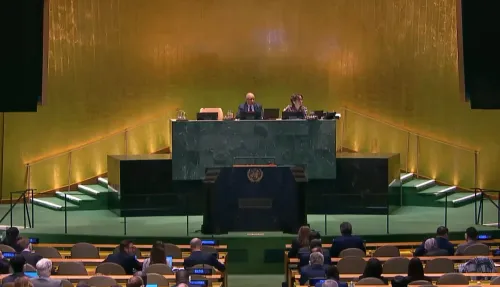
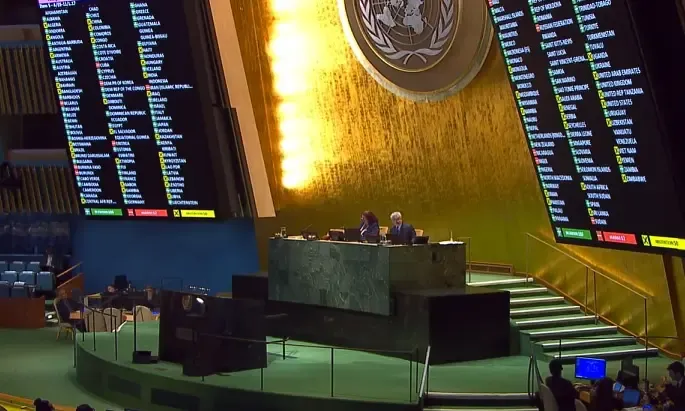
United Nations, February 25 (NationPress) On the fourth anniversary of Russia's incursion into Ukraine, the General Assembly reaffirmed Ukraine's territorial integrity and called for an immediate ceasefire in a resolution that saw India align with the US in abstaining from the vote.
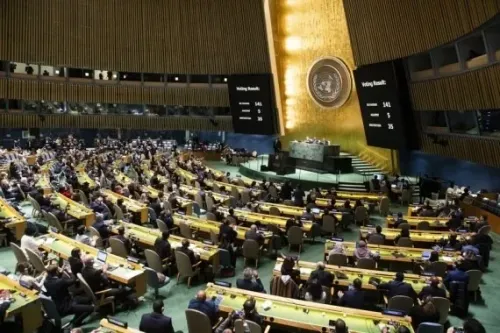
The resolution, which passed with 107 votes on Tuesday, reflected a divide among Western nations regarding strategies to conclude the conflict.
With 12 nations voting against it and 51 abstaining, the unusual US abstention stemmed from optimism about potential peace negotiations, which two sections of the resolution were seen as obstructive to diplomatic efforts.
Reportedly, US President Donald Trump suggested that Ukraine consider ceding some territory in a peace agreement, a proposition Kyiv has firmly rejected.
The US insisted on the removal of sections that reaffirmed the Assembly's “strong commitment to Ukraine's sovereignty, independence, unity, and territorial integrity,” as well as a call for a “comprehensive, just, and lasting peace” in line with international law and the UN Charter.
When the US's proposal to delete these sections was defeated by a vote of 11 to 69—India among the 62 abstentions—the US chose to abstain from the overall resolution to end the conflict.
In a peculiar turn of events, Russia supported the US's request for the exclusion, while Washington's allies opposed it.
US Deputy Permanent Representative Tammy Bruce stated that the US objected to these two references as they were “likely to distract from ongoing negotiations, rather than support discussions on the full range of diplomatic avenues that may lead to sustainable peace.”
“We believe we are closer to a deal than at any time since the war began,” she added.
Russia's Deputy Permanent Representative Anna Evstigneeva agreed, asserting, “Today, when a genuine window of opportunity has opened for a political settlement of the Ukrainian crisis, it is diplomacy that we must prioritize, rather than proclamations.”
Bruce, however, reiterated, “The United States welcomes, of course, the call for an immediate ceasefire.”
France's Permanent Representative Jerome Bonnafont stated that supporting the US demand “would mean that the UNGA would be voting against the principles of the Charter.”
Washington's allies expressed significant disapproval of the US's defeat concerning the demand for cuts to the resolution.
Nevertheless, the resolution acknowledged the efforts by the US and the European Union to conclude the conflict.
Targeting Moscow directly, the resolution voiced concern that “the full-scale invasion of Ukraine by the Russian Federation has persisted for four years and continues to have devastating and long-lasting implications for Ukraine and for regional and global stability.”
President Trump had previously claimed that he could resolve the Ukraine War within 24 hours of assuming office, a promise that remains unfulfilled.
Nonetheless, he continues to pursue efforts to unite Moscow and Kyiv to end the war, with US-sponsored discussions occurring last week in Geneva.
Bruce emphasized, “Our dedicated negotiators have a clear understanding of the ground realities as they continue to engage with the parties to forge an agreement on outstanding issues as swiftly as possible.”
Point of View
It is crucial to present a balanced view on the abstention of India alongside the US during the UNGA resolution vote regarding Ukraine. This decision reflects a nuanced stance in international relations, emphasizing the complexities of diplomatic negotiations amid ongoing conflict. Understanding the implications for both Ukraine and global stability is essential.
NationPress
7 Oct 2026
Frequently Asked Questions
Why did India abstain from the UNGA resolution?
India abstained from the UNGA resolution to support Ukraine's territorial integrity due to its nuanced diplomatic stance and ongoing efforts for peace.
What was the outcome of the UNGA vote?
The UNGA resolution passed with 107 votes in favor, 12 against, and 51 abstentions, reflecting a divide among Western countries.
What did the US propose regarding the resolution?
The US proposed to remove certain paragraphs that reaffirmed Ukraine's sovereignty and called for a just peace, arguing they would hinder ongoing negotiations.
What was Russia's position during the vote?
Interestingly, Russia supported the US's request to exclude specific sections from the resolution, indicating a shared interest in avoiding distractions in diplomatic talks.
What are the implications of the US abstention?
The US abstention signals a potential shift in diplomatic strategy, suggesting optimism about nearing a peace deal in Ukraine.