Record 212 mineral blocks auctioned in FY26, highest since 2015 regime
Synopsis
India auctioned 212 mineral blocks in FY26 — nearly double the previous annual average — including 22 critical and strategic blocks. With rare earth reserves identified in Rajasthan and technical evaluations already assigned, this is less a routine update and more a signal that India's critical mineral strategy is shifting from ambition to execution.
Key Takeaways
A record 212 mineral blocks were auctioned in FY 2025-26 — the highest in any financial year since the auction regime began in 2015 .
22 critical and strategic mineral blocks were among those auctioned, reflecting India's clean energy transition priorities.
36 blocks (28 greenfield, 8 brownfield) were operationalised in FY26, compared to just 58 blocks across the entire FY16–FY25 period.
Between FY22 and FY25 , 364 blocks were auctioned, averaging 90 per year — a pace FY26 has more than doubled.
Substantial REE and HREE reserves identified in Rajasthan's Siwana Ring Complex ; technical evaluation assigned for 3 blocks .
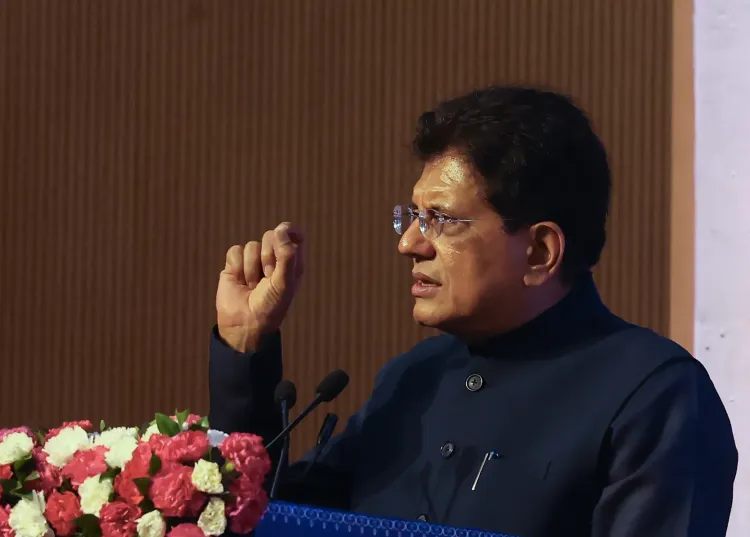
Mines Secretary Piyush Goyal called for faster Centre-state coordination on statutory clearances to reduce operationalisation delays.
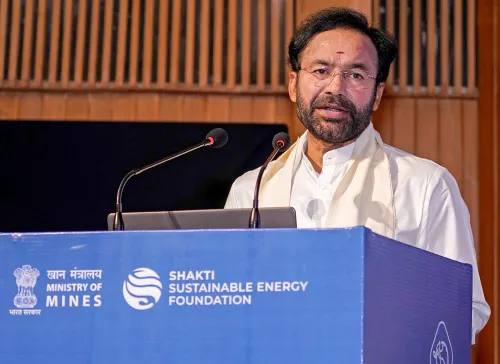
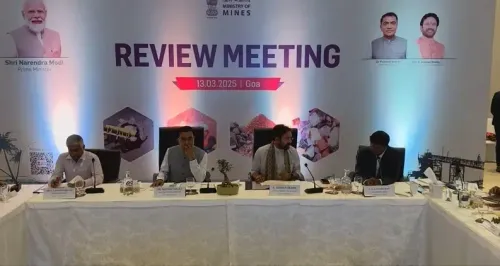
The Ministry of Mines auctioned a record 212 mineral blocks in FY 2025-26 — the highest number in any single financial year since the auction regime was established in 2015. The milestone was highlighted during a monthly review meeting chaired by Piyush Goyal, Secretary of the Ministry of Mines, in New Delhi on Monday, where he called for tighter coordination between the Centre and state governments to speed up statutory clearances and commence production from auctioned blocks.
Key Developments in FY26 Auctions
Of the 212 blocks auctioned in FY26, 22 were critical and strategic mineral blocks — underscoring the government's focus on securing resources essential for India's clean energy transition and economic growth. In the same year, 36 mineral blocks were operationalised, comprising 28 greenfield and 8 brownfield blocks. This compares sharply with just 58 blocks operationalised across the entire FY16–FY25 period, signalling a significant acceleration in execution.
Auction Trajectory Since 2015
The pace of mineral block auctions has risen steeply over the past decade. Only 108 blocks were auctioned from the regime's inception through FY 2020-21. Between FY22 and FY25, that pace surged — 364 blocks were auctioned over four years, averaging approximately 90 blocks per year. FY26's tally of 212 nearly doubles that annual average, reflecting a deliberate policy push to expand domestic mineral supply chains.
Critical Minerals and Aatmanirbhar Bharat
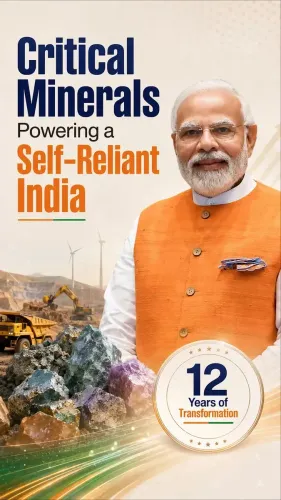
Secretary Goyal stressed the strategic importance of critical mineral development in realising the vision of Aatmanirbhar Bharat and strengthening India's mineral security. Recent geological surveys have identified substantial reserves of Rare Earth Elements (REEs), Heavy Rare Earth Elements (HREEs), and critical rare metals across multiple blocks in Rajasthan's Siwana Ring Complex. The Ministry has assigned technical evaluation work for three of these blocks to specialised agencies, indicating that exploration has moved well beyond preliminary assessments.
Centre-State Coordination in Focus
The review meeting brought together senior ministry officials and representatives from Category-A mineral-bearing states. Goyal urged state governments to expedite statutory clearances and facilitate early commencement of mining operations to ensure timely production from the growing pipeline of auctioned blocks. This comes amid broader concerns that while auction numbers have surged, operationalisation timelines remain a bottleneck — a gap the ministry appears determined to close. With India's critical mineral demand set to rise sharply as the clean energy transition accelerates, the pace of block operationalisation will be as consequential as the auction count itself.
Point of View
But the more telling figure is operationalisation: 36 blocks made production-ready in FY26 against 58 in the preceding nine years combined. That gap between blocks auctioned and blocks producing has long been the sector's structural weakness. The focus on critical minerals and the Rajasthan REE finds add strategic weight, but India's ability to convert survey data into verified, producing mines at scale remains unproven. As global competition for rare earths intensifies, the real test is not how many blocks are auctioned but how quickly they translate into domestic supply — and whether Centre-state friction on clearances is genuinely resolved or merely flagged at review meetings.
NationPress
11 Oct 2026
Frequently Asked Questions
How many mineral blocks were auctioned in FY26 and why is it a record?
A record 212 mineral blocks were auctioned in FY 2025-26, the highest in any single financial year since India's auction regime began in 2015. This nearly doubles the average of about 90 blocks per year seen between FY22 and FY25.
What are critical mineral blocks and why were 22 auctioned in FY26?
Critical mineral blocks contain resources such as rare earth elements, lithium, cobalt, and other materials essential for clean energy technologies and advanced manufacturing. The government auctioned 22 such blocks in FY26 as part of its strategy to reduce import dependence and support India's clean energy transition.
How many auctioned mineral blocks have been operationalised so far?
In FY26 alone, 36 mineral blocks — 28 greenfield and 8 brownfield — were operationalised. This compares with just 58 blocks operationalised across the entire FY16–FY25 period, indicating a significant improvement in execution pace.
What rare earth reserves have been found in Rajasthan?
Recent surveys have identified substantial reserves of Rare Earth Elements (REEs), Heavy Rare Earth Elements (HREEs), and critical rare metals across multiple blocks in Rajasthan's Siwana Ring Complex. The Ministry of Mines has assigned technical evaluation work for three of these blocks to specialised agencies.
What did Mines Secretary Piyush Goyal say at the review meeting?
Piyush Goyal, Secretary of the Ministry of Mines, chaired a monthly review meeting with Category-A mineral-bearing states and urged closer Centre-state coordination to expedite statutory clearances and ensure timely production from auctioned blocks. He also underscored the importance of critical mineral development for Aatmanirbhar Bharat and India's mineral security.