Jharkhand Rajya Sabha polls: INDIA bloc candidates file nominations, MLAs show unity ahead of June 18 vote
Synopsis
Despite internal friction over seat-sharing, the INDIA bloc in Jharkhand closed ranks on Monday as JMM's Baijnath Ram and Congress's Pranav Jha jointly filed Rajya Sabha nominations with CM Hemant Soren in tow. With BJP's Parimal Nathwani also in the race, the June 18 vote hinges entirely on whether the alliance can prevent cross-voting among its MLAs.
Key Takeaways
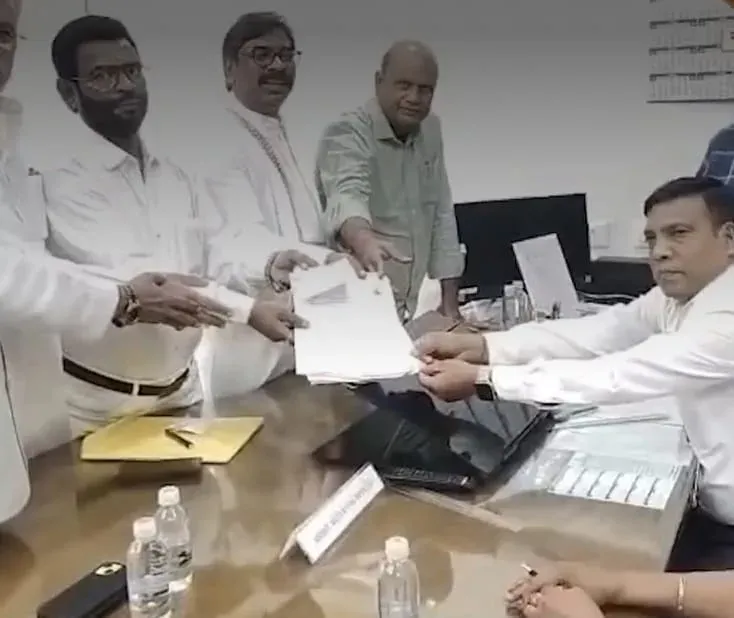
JMM nominee Baijnath Ram and Congress candidate Pranav Jha filed Rajya Sabha nominations in Ranchi on Monday, 8 June .
Chief Minister Hemant Soren and former Chhattisgarh CM Bhupesh Baghel were present at the filing, underscoring alliance unity.
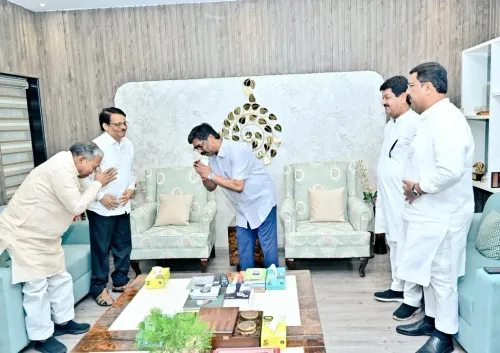
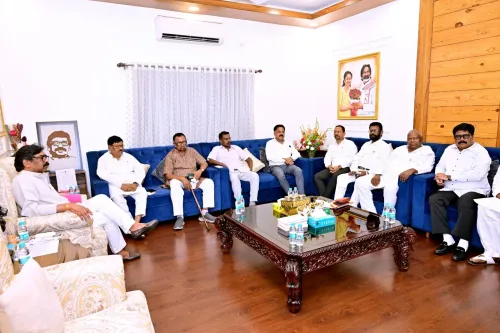
Internal differences over candidate selection were resolved after top-level talks; a joint strategy was formalised at a Sunday meeting at the CM's residence.
BJP -backed candidate Parimal Nathwani also filed his nomination on the same day.
Polling for both seats is scheduled for 18 June , with results to be declared the same day.
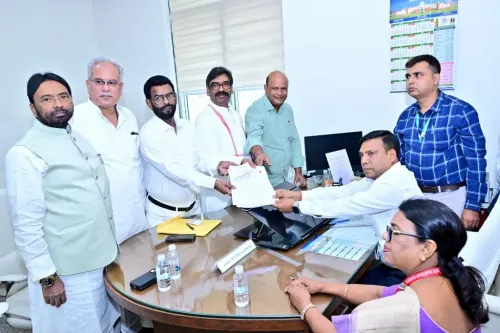
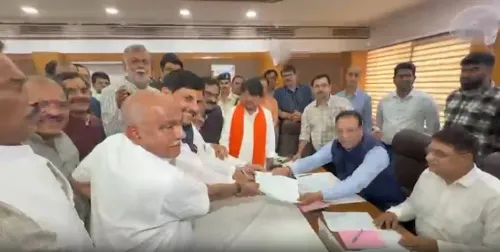
Jharkhand Mukti Morcha (JMM) nominee Baijnath Ram and Congress candidate Pranav Jha on Monday filed their nomination papers for the biennial Rajya Sabha elections in Jharkhand, scheduled for 18 June. The filing, held at the state Assembly in Ranchi, was accompanied by a coordinated show of alliance strength, with top INDIA bloc leaders and MLAs arriving together as a unified bloc.
Key Figures Present
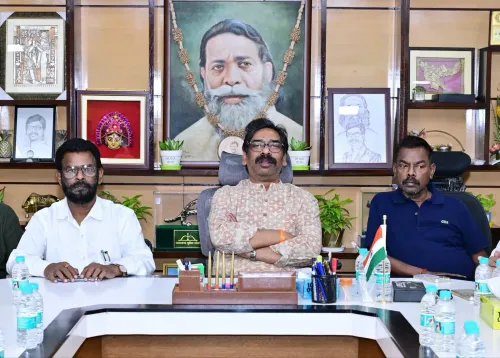
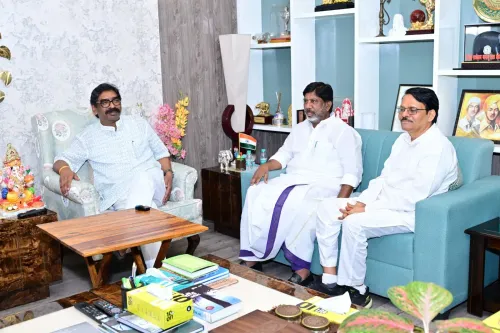
Chief Minister Hemant Soren was present during the nomination filing, alongside Congress central observer and former Chhattisgarh Chief Minister Bhupesh Baghel, several state cabinet ministers, senior Congress leaders, and MLAs of the Rashtriya Janata Dal (RJD). Political observers noted that the joint arrival at the Assembly was a deliberate display of solidarity among legislators ahead of the polls.
Internal Differences Resolved
The unified front comes after a period of internal friction within the ruling alliance. Following the Congress announcement of its nominee, certain JMM leaders had publicly asserted their party's claim over both Rajya Sabha seats. However, top-level discussions brought the alliance to a consensus, with a joint strategy adopted for both candidates.
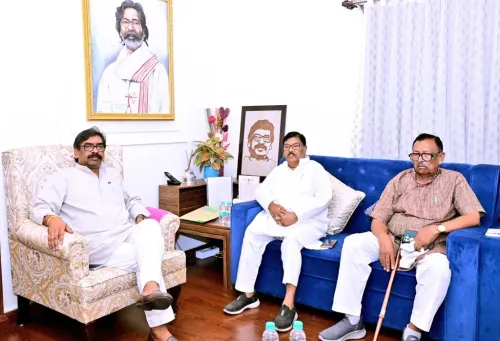
At a meeting of alliance MLAs convened at the Chief Minister's residence on Sunday, the bloc formally decided to back both Baijnath Ram and Pranav Jha. Alliance leaders subsequently claimed they held sufficient numbers to secure victory in both seats, ruling out any risk of cross-voting.
BJP Also Files Nomination
BJP-backed candidate Parimal Nathwani also filed his nomination on Monday, reaching the Assembly accompanied by Bharatiya Janata Party (BJP) and allied MLAs. The opposition's filing sets up a direct contest for the two seats on 18 June.
What Happens Next
Polling for both Rajya Sabha seats in Jharkhand is scheduled for 18 June, with results to be declared on the same day following the counting of votes. The INDIA bloc's ability to hold its MLAs together without cross-voting will be the defining factor in the outcome.
Point of View
Not settled. The real test is not the filing but the vote count on June 18: cross-voting in Rajya Sabha elections has upended stronger-looking alliances before. CM Soren's presence signals he is personally invested in the outcome, but personal investment has not always been enough to hold coalition MLAs in line when individual incentives diverge.
NationPress
22 Oct 2026
Frequently Asked Questions
When is the Jharkhand Rajya Sabha election scheduled?
The Rajya Sabha election for both Jharkhand seats is scheduled for 18 June, with results to be declared on the same day after counting of votes.
Who are the INDIA bloc candidates for the Jharkhand Rajya Sabha seats?
The INDIA bloc has fielded JMM nominee Baijnath Ram and Congress candidate Pranav Jha for the two Rajya Sabha seats from Jharkhand.
Why was there internal tension in the INDIA bloc before the nomination filing?
After the Congress announced Pranav Jha as its nominee, some JMM leaders asserted their party's claim over both seats. The dispute was resolved through top-level talks, and the alliance agreed on a joint strategy supporting both candidates.
Who is the BJP-backed candidate in the Jharkhand Rajya Sabha election?
Parimal Nathwani is the BJP-backed candidate, who also filed his nomination on Monday alongside BJP and allied MLAs at the Jharkhand Assembly.
What did alliance leaders say about cross-voting risks?
JMM and Congress leaders stated that all alliance MLAs are united and expressed no apprehension of cross-voting, adding that the bloc has sufficient numbers to win both seats.