CM Hemant Soren Chairs JMM Meet on Rajya Sabha Polls 2026
Synopsis
Chief Minister Hemant Soren chaired a closed-door JMM meeting in Ranchi on June 5, 2026, bringing together party ministers and MLAs to plan for the Rajya Sabha elections 2026. The conclave signals the ruling coalition is moving to consolidate its legislative strength ahead of upper-house polls.
Key Takeaways
Hemant Soren chaired a JMM meeting in Ranchi on June 5, 2026 , focused on the upcoming Rajya Sabha elections 2026 .
The meeting was attended by JMM ministers and members of the legislative assembly.
Jharkhand elects six Rajya Sabha members through an indirect vote by its 81-member state assembly .
Soren, as executive president of the JMM, personally led the conclave, underscoring the party's focus on candidate selection and legislative unity.
The JMM-led alliance has governed Jharkhand since the 2019 assembly elections , giving it primary influence over the state's Rajya Sabha nominations.
Nomination filings and the formal election schedule from the Election Commission of India are the key developments to watch next.
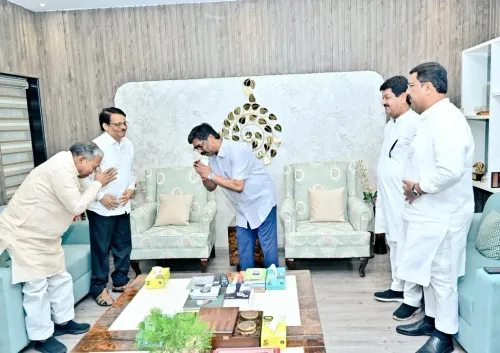
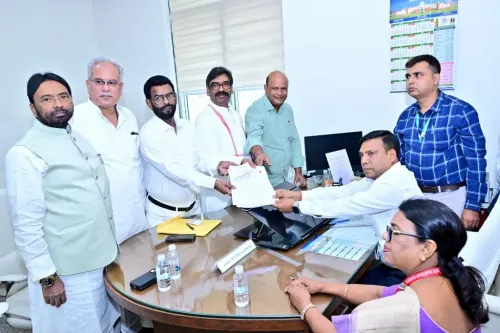
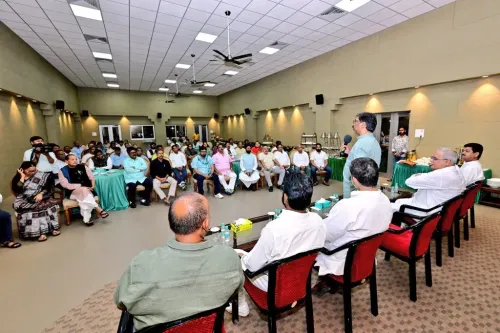
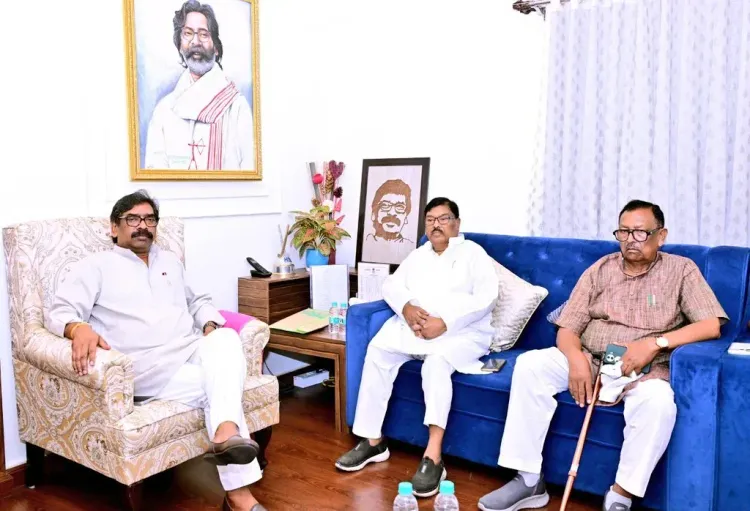
Jharkhand Chief Minister Hemant Soren on Friday, June 5, 2026, chaired an internal party meeting in Ranchi with Jharkhand Mukti Morcha (JMM) ministers and legislators to discuss strategy for the upcoming Rajya Sabha elections 2026.
Context
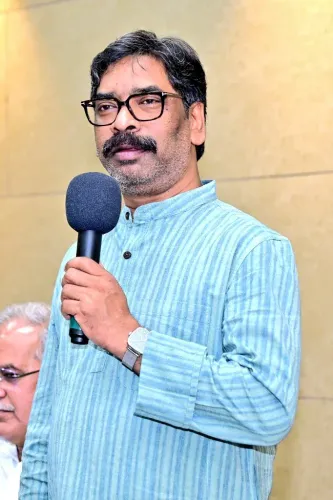
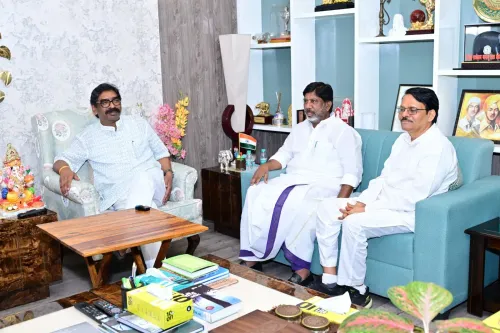
Soren posted on X that he attended a meeting — 'आगामी राज्यसभा चुनाव 2026 को लेकर' ('regarding the upcoming Rajya Sabha election 2026') — with JMM ministers and MLAs in Ranchi. The post was accompanied by three images from the meeting, indicating a formal, in-person gathering of the party's legislative wing.
Rajya Sabha elections are indirect polls conducted by state legislative assemblies to fill seats in India's upper house of Parliament as member terms expire. Jharkhand sends six representatives to the Rajya Sabha, and their election is decided by votes cast within the 81-member Jharkhand Legislative Assembly.
Policy Backdrop
Internal pre-election meetings of this kind are standard practice for ruling parties ahead of Rajya Sabha polls. Party leadership uses such conclaves to align ministers and MLAs on candidate selection, reinforce legislative discipline, and pre-empt cross-voting — a recurring vulnerability in upper-house elections across Indian states.
The JMM-led alliance has governed Jharkhand since the 2019 state assembly elections, giving the coalition direct influence over the state's Rajya Sabha nominations. As executive president of the JMM, Soren's personal chairing of the meeting signals that candidate deliberations are being handled at the highest level of the party.
Stakeholders and Impact
JMM legislators and alliance partners are the immediate stakeholders, as their votes will determine which candidates reach the Rajya Sabha. For the ruling coalition, securing internal cohesion is critical: even a small number of defections in an 81-seat assembly can alter the outcome of a closely contested seat.
Tribal communities and the broader electorate of Jharkhand have a stake in who represents the state in the upper house, given the Rajya Sabha's role in passing legislation affecting land rights, forest laws, and welfare schemes — issues central to the JMM's political identity since its founding in 1972.
What's Next
The immediate next steps will be the filing of nominations by prospective candidates and the eventual vote by Jharkhand MLAs for the seats whose terms expire in 2026. The outcome of today's meeting is likely to shape which names the JMM formally puts forward.
With Hemant Soren personally leading the pre-election consultations, the party's candidate list and its ability to hold alliance partners together will be closely watched as the election schedule is formally notified by the Election Commission of India.
Point of View
Hemant Soren is doing more than routine party management — he is asserting centralised control over the JMM's upper-house strategy at a time when coalition arithmetic in Jharkhand remains consequential. Rajya Sabha elections have historically exposed fault lines within ruling alliances across Indian states, and holding such a meeting early signals the JMM is keen to foreclose any ambiguity around candidate selection. For Soren, who doubles as the party's executive president, the move reinforces his dual authority as both head of government and party organisation. The broader pattern fits a trend of chief ministers treating Rajya Sabha nominations as a tool to reward loyalists and consolidate intra-party power.
NationPress
19 Sept 2026
Frequently Asked Questions
Why did CM Hemant Soren hold a meeting with JMM MLAs in Ranchi?
CM Hemant Soren held the meeting on June 5, 2026, to discuss party strategy ahead of the Rajya Sabha elections 2026, aligning JMM ministers and legislators on candidate selection and vote management.
How are Rajya Sabha members elected from Jharkhand?
Jharkhand's six Rajya Sabha members are elected indirectly by the 81 members of the Jharkhand Legislative Assembly through a single transferable vote system.
What is the Jharkhand Mukti Morcha (JMM)?
The Jharkhand Mukti Morcha is a regional political party founded in 1972, focused on tribal rights and Jharkhand's statehood. It currently leads the state government with Hemant Soren as Chief Minister and executive president.
When are the next Rajya Sabha elections from Jharkhand?
The Rajya Sabha elections being discussed are scheduled for 2026, when the terms of certain Jharkhand-elected members of the upper house are due to expire.
What happens at a pre-Rajya Sabha election party meeting?
Ruling parties use such meetings to finalise candidate names, ensure legislative discipline among allied MLAs, and prevent cross-voting, which can cost a party a seat in close contests.