CM Soren Chairs Rajya Sabha 2026 Strategy Meet With Alliance MLAs
Synopsis
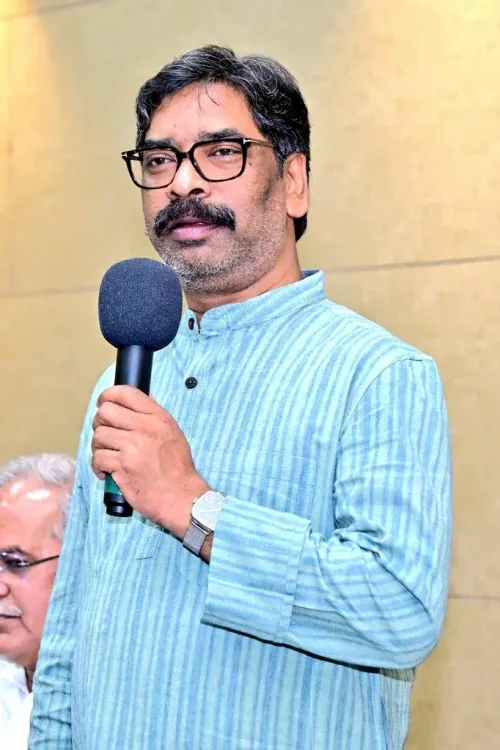
Jharkhand Chief Minister Hemant Soren on June 7 chaired a key closed-door meeting with ruling alliance ministers and MLAs at his Ranchi residence to discuss strategy for the Rajya Sabha elections 2026, signalling the JMM-led coalition is entering active pre-election coordination mode.
Key Takeaways
CM Hemant Soren chaired the meeting at his official residence on Kanke Road, Ranchi on June 7, 2026 .
The meeting was held specifically in view of the Rajya Sabha elections 2026 .
Ministers and MLAs of the entire ruling alliance participated in the deliberations.
The agenda covered 'various aspects related to the election' , per Soren's own post.
Rajya Sabha members are elected indirectly by state assembly members, making coalition unity a decisive factor.
Official candidate announcements and the formal election schedule are the next expected developments.
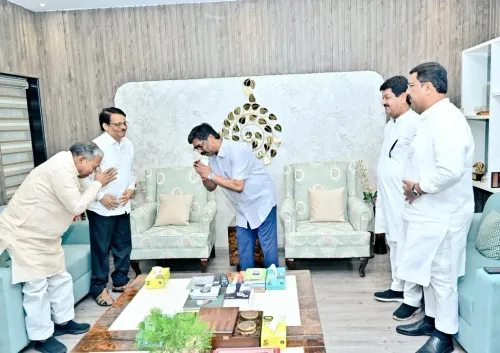
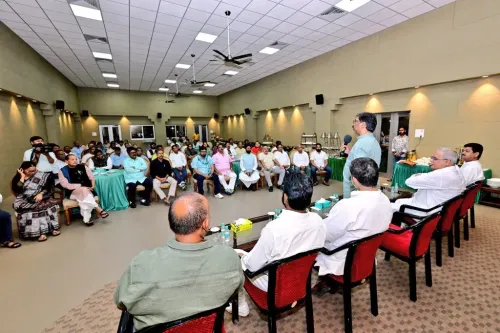
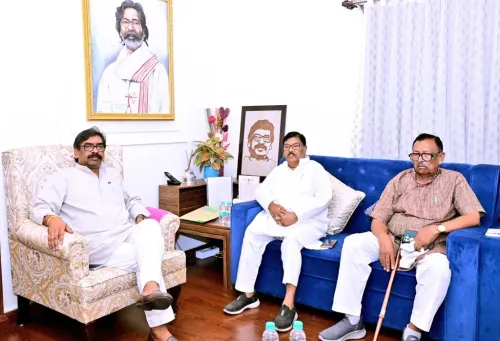
Jharkhand Chief Minister Hemant Soren on Sunday, June 7, 2026, chaired a significant closed-door meeting at his official residence on Kanke Road, Ranchi, bringing together ministers and legislators of the ruling alliance to deliberate on strategy ahead of the Rajya Sabha elections 2026.
Context
Soren convened the meeting at the Chief Minister's residence (Mukhyamantri Aawas) on Kanke Road, Ranchi. In his post on X, he stated: 'aaj Kanke Road sthit Mukhyamantri Aawas mein Rajya Sabha chunav-2026 ke maddenajar sattarudh gathbandhan ke mantrigaN evam vidhayakgaN ke saath mahatvapurn baithak ki' — ('Today, an important meeting was held with the ministers and legislators of the ruling alliance at the Chief Minister's residence on Kanke Road, in view of the Rajya Sabha elections 2026.')
The post further noted that 'various aspects related to the election were discussed in detail' at the meeting. The gathering signals that the Jharkhand Mukti Morcha (JMM)-led ruling alliance is moving into active electoral preparation mode.
Policy Backdrop
Rajya Sabha members from states are elected indirectly by elected members of the respective state legislative assemblies through proportional representation with a single transferable vote. This makes the arithmetic of the legislative assembly — and the loyalty of coalition partners — central to the outcome.
State governments routinely hold closed-door coordination meetings of coalition legislators ahead of such indirect elections to finalise candidate names, ensure voting discipline, and minimise the risk of cross-voting. Sunday's meeting follows this well-established pattern in India's federal parliamentary system.
Stakeholders and Impact
The meeting brought together ministers and MLAs of the ruling alliance in Jharkhand, which is led by the Jharkhand Mukti Morcha under Soren's leadership. The composition of the gathering underscores the importance the alliance places on presenting a unified front before the election process advances further.
For the ruling coalition, a coordinated Rajya Sabha strategy translates directly into representation in Parliament's upper house — shaping the alliance's ability to influence national legislation and amplify Jharkhand's policy interests at the Centre.
What's Next
The immediate focus will be on the official announcement of candidate names by the Jharkhand ruling alliance, followed by the formal polling schedule for the relevant Rajya Sabha seats. The Election Commission of India typically notifies the schedule and seat count for each state well in advance of the polling date.
How the alliance manages intra-coalition consensus — and whether it can hold its legislative numbers together — will determine the outcome. Sunday's meeting is likely the first in a series of consultations as the election date approaches.
Point of View
Soren is signalling command over the coalition ahead of a high-stakes indirect election. Rajya Sabha contests are won or lost on legislative arithmetic, and any crack in alliance discipline can hand the opposition an opening. The timing also reflects a broader JMM pattern of centralising strategic decisions around Soren personally, reinforcing his dual role as both party president and government head. How the alliance navigates candidate selection — always the most friction-prone stage — will be the real test of the coalition's cohesion.
NationPress
24 Sept 2026
Frequently Asked Questions
What is the Rajya Sabha election and how does it work in Jharkhand?
The Rajya Sabha is India's upper house of Parliament. Members are elected indirectly by elected MLAs of each state's legislative assembly through proportional representation with a single transferable vote, making the ruling coalition's legislative strength the key factor.
Why did CM Hemant Soren call a meeting of ruling alliance MLAs for Rajya Sabha 2026?
Soren called the meeting to discuss election strategy, coordinate on candidate selection, and ensure voting discipline among alliance legislators — standard practice before indirect Rajya Sabha elections to prevent cross-voting.
Where was the Rajya Sabha strategy meeting held?
The meeting was held at the Chief Minister's official residence on Kanke Road, Ranchi , Jharkhand, on June 7, 2026.
Who attended the Rajya Sabha 2026 meeting with CM Hemant Soren?
Ministers and MLAs of the ruling alliance in Jharkhand, led by the Jharkhand Mukti Morcha, attended the meeting chaired by Chief Minister Hemant Soren.
When are the Rajya Sabha elections 2026 for Jharkhand?
The exact polling date for Jharkhand's Rajya Sabha seats in 2026 has not been officially announced yet. The Election Commission of India is expected to notify the schedule; the June 7 meeting indicates the alliance is preparing well in advance.