India's defence production hits $19 billion in FY26, driven by policy reforms and R&D

Synopsis
India's defence output has crossed $19 billion in FY26 — more than double the FY21 figure — with the private sector hitting an all-time high of ₹42,000 crore. The shift from import dependence to a globally competitive manufacturing ecosystem is the most significant structural change in India's defence economy in a generation.
Key Takeaways
India's defence production reached a record $19 billion in FY26 , up from approximately $8.5 billion in FY21.
Defence Public Sector Undertakings accounted for 76 per cent of output; the private sector contributed 24 per cent , its highest-ever share.
Private-sector defence production hit an all-time high of ₹42,000 crore in FY26, rising from 22 per cent share in FY25.
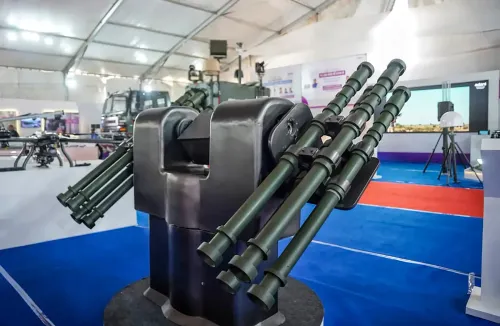
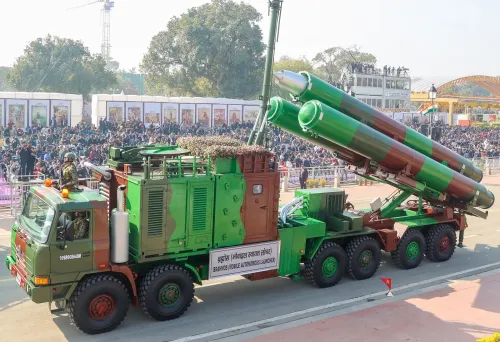
Indigenous platforms now include artillery, armoured vehicles, naval systems, missiles, radar, and aerospace components.
Defence exports are expanding across Asia , Africa , Europe , and Latin America , driven by active government outreach.
India's defence production reached a record $19 billion in FY26, driven by sweeping policy reforms, greater private-sector participation, enhanced research and development, and a sustained push toward indigenous manufacturing, according to a new report. The milestone marks more than a doubling of output over just five years, up from approximately $8.5 billion in FY21.
Key Policy Drivers
The report credited a range of government measures for sustaining this momentum. These include positive indigenisation lists, simplified procurement procedures, higher domestic procurement targets, and stronger institutional support for indigenous research and development. Together, these measures have helped transform India from a country heavily reliant on foreign suppliers into what the report describes as 'a manufacturing ecosystem that is expanding in scale, sophistication and global relevance.'
Private Sector's Growing Role
While Defence Public Sector Undertakings (DPSUs) remain the backbone of production — accounting for approximately 76 per cent of total output — the private sector's contribution has climbed to 24 per cent in FY26, up from 22 per cent in FY25. In absolute terms, private-sector defence production reached an all-time high of approximately ₹42,000 crore in FY26. The sector now includes established industrial conglomerates, specialised defence manufacturers, technology companies, and a growing ecosystem of start-ups producing advanced systems that were once exclusively imported or state-manufactured.
Breadth of Indigenous Platforms
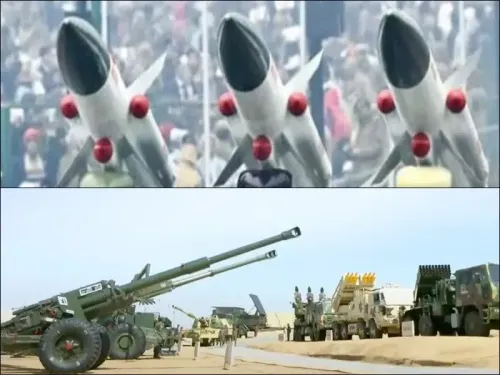
Indigenous manufacturing now spans a wide range of platforms and technologies. These include artillery systems, armoured vehicles, naval platforms, missile systems, electronic warfare equipment, radar technologies, aerospace components, and advanced communications systems. The breadth of this portfolio signals a qualitative shift, not merely a quantitative one.
Defence Exports on the Rise
India's defence exports have surged sharply in recent years, underpinned by active government outreach. Patrol vessels, radar systems, artillery equipment, protective gear, aerospace components, and various defence technologies are now being exported to markets across Asia, Africa, Europe, and Latin America. 'The increasing global acceptance of Indian defence products reflects confidence in the country's capabilities and competitiveness,' the report noted.
What Comes Next
The trajectory suggests India is consolidating its position as a credible defence manufacturing hub, with the private sector poised to claim a larger share of production. Continued government support for R&D, alongside export promotion efforts, will be critical in determining whether this momentum translates into a durable structural shift or remains dependent on policy tailwinds.
Point of View
But the more telling data point is the private sector's ₹42,000 crore contribution — a sign that India's defence ecosystem is no longer a DPSU monoculture. Yet at 24 per cent, private participation still lags far behind mature defence economies, where private industry typically dominates. The real test is whether India can sustain this trajectory without the crutch of captive domestic procurement mandates, and whether its export push can move beyond patrol vessels and radar into higher-value platforms. The indigenisation lists have created demand; the next policy challenge is creating globally competitive supply.
NationPress
2 Oct 2026
Frequently Asked Questions
What is India's defence production figure for FY26?
India's defence production reached a record $19 billion in FY26, according to a new report. This is more than double the approximately $8.5 billion recorded in FY21, reflecting five years of sustained policy-driven growth.
What policy measures drove India's defence production growth?
Key drivers include positive indigenisation lists, simplified procurement procedures, higher domestic procurement targets, and stronger government support for indigenous research and development. These measures have collectively reduced dependence on foreign suppliers.
How much has the private sector contributed to India's defence output?
The private sector contributed 24 per cent of total defence production in FY26, up from 22 per cent in FY25, reaching an all-time high of approximately ₹42,000 crore. Defence Public Sector Undertakings accounted for the remaining 76 per cent.
Which defence products is India exporting and to which regions?
India is exporting patrol vessels, radar systems, artillery equipment, protective gear, aerospace components, and various defence technologies to markets across Asia, Africa, Europe, and Latin America. The report attributes the export surge to active government outreach efforts.
What types of platforms does India now manufacture indigenously?
Indigenous manufacturing spans artillery systems, armoured vehicles, naval platforms, missile systems, electronic warfare equipment, radar technologies, aerospace components, and advanced communications systems — many of which were previously imported or produced exclusively by state-owned entities.