India-Nepal boundary issue: Misri signals talks ahead
Synopsis
India and Nepal's foreign secretaries have been directed to take the boundary issue forward, Vikram Misri said after Nepal Prime Minister Balendra Shah's state visit. Misri expects a meeting within the existing boundary-management framework, though no date was announced.
Key Takeaways
Foreign Secretary Vikram Misri said the India-Nepal boundary issue would be addressed in a forward-looking manner.
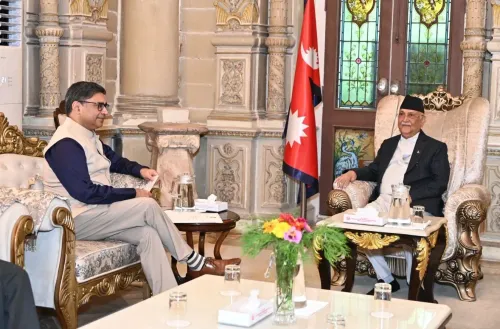
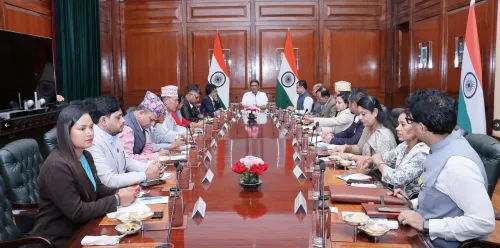
Misri spoke in New Delhi on 23 November after Nepal Prime Minister Balendra Shah's state visit to India .
Field survey teams, a senior officials' committee and a boundary working group form part of the existing management structure, Misri said.
Technical work along the settled boundary includes maintaining pillars and investigating reports of encroachment, according to Misri.
Misri anticipated a meeting within the boundary-related framework in the near future but announced no date.
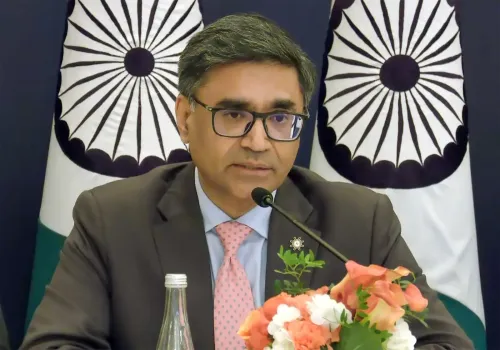
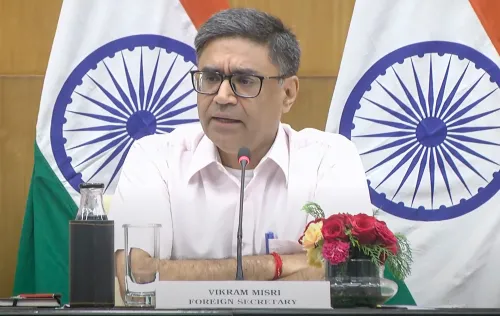
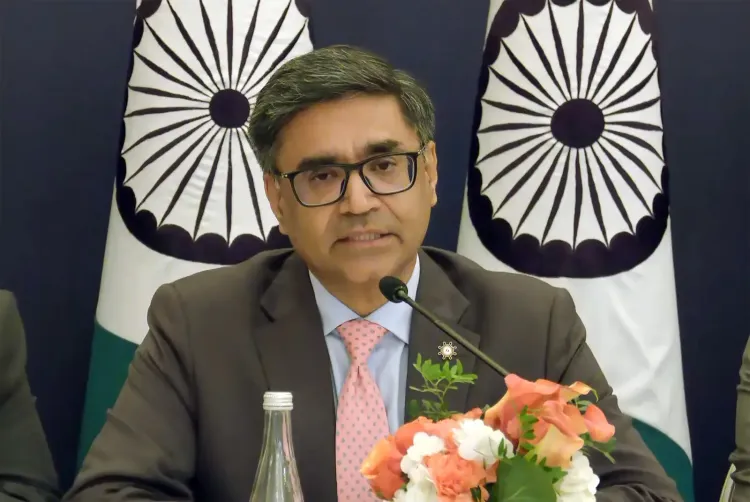
India and Nepal will address their boundary issue in a forward-looking manner, Foreign Secretary Vikram Misri said in New Delhi on 23 November, pointing to existing mechanisms for managing the border. He spoke at a Ministry of External Affairs briefing after the conclusion of Nepal Prime Minister Balendra Shah's state visit to India.
Misri said the leaders had directed the two countries' foreign secretaries to take the task forward. He anticipated that the relevant part of the existing boundary-related architecture would meet at some point in the near future, without announcing a date.
Existing boundary management mechanisms
Misri described a multi-layered system through which the neighbours handle issues related to boundary management. At the field level, survey teams report to a committee of senior officials, while a boundary working group is also in place, he said.
Under earlier understandings, the foreign secretaries have a role in taking inputs from the mechanisms responsible for managing the boundary. His account places the proposed work within an existing structure rather than a newly announced process.
“There is actually a multi-layered architecture in place between the two countries to look at various issues related to boundary management,” Misri said at the briefing.
Technical work along the settled boundary
According to Misri, considerable technical work has already been undertaken along the vast majority of the boundary that is settled between the two countries. He identified the maintenance of boundary pillars and the investigation of encroachment reports among the tasks involved.
He said this work had continued and had made “very good and very smooth progress in recent years”. His remarks distinguished those ongoing technical responsibilities from the direction given to the foreign secretaries to take the boundary issue forward.
Direction following the state visit
Misri said the leaders had given the foreign secretaries a direction as part of what he described as “overall very forward-looking discussions”. He also referred to a vision document and the spirit of the leaders' discussions as guides for the work ahead.
The briefing did not set out a date or venue for a meeting of the relevant mechanism. Nor did Misri specify an outcome or timetable for addressing the boundary issue in the remarks provided.
Next steps for the two countries
The next step indicated by Misri is a possible meeting within the existing boundary-management architecture. The foreign secretaries' role would involve taking inputs from the mechanisms already entrusted with managing the boundary, according to his description of earlier understandings.
For teams working on boundary pillars and reports of encroachment, the comments point to the continuation of technical work alongside the direction given at the leaders' level. The timing and details of any meeting remain to be announced.
Point of View
But their presence alone does not establish a timetable for addressing the boundary issue. The distinction between routine maintenance along settled stretches and discussions on the wider issue deserves close scrutiny. Both governments should make the next meeting and its mandate clear, so progress can be assessed against more than diplomatic language.
NationPress
23 Nov 2026
Frequently Asked Questions
What did Vikram Misri say about the India-Nepal boundary issue?
Foreign Secretary Vikram Misri said the India-Nepal boundary issue would be addressed in a forward-looking manner. He spoke after Nepal Prime Minister Balendra Shah's state visit to India.
What mechanisms manage the India-Nepal boundary?
The existing structure includes field survey teams, a committee of senior officials and a boundary working group, according to Misri. The foreign secretaries also have a role in taking inputs from boundary-management mechanisms under earlier understandings.
When will India and Nepal hold the next boundary meeting?
No date for the next boundary-related meeting was announced in Misri's remarks. He said he expected the relevant part of the existing framework to meet at some point in the near future.
What technical work is being done on the India-Nepal boundary?
Technical work includes maintaining boundary pillars and investigating reports of encroachment, Misri said. He said considerable work had been done along the vast majority of the boundary that is settled.
Why does the India-Nepal boundary announcement matter?
The leaders' direction gives the two foreign secretaries a role in taking the boundary issue forward. Misri said they would draw on existing mechanisms and the spirit of the leaders' discussions.