India diversifies oil imports as Hormuz crisis chokes Gulf supplies
Synopsis
With the Strait of Hormuz choked by the West Asia crisis and 11 Indian vessels still stranded in the Persian Gulf, India is accelerating a pivot away from Gulf oil — leaning on Russia, Nigeria, and Angola. Russian crude is on track for near-record inflows of 1.9 million barrels per day in May, even as Brent tops $100 a barrel.
Key Takeaways
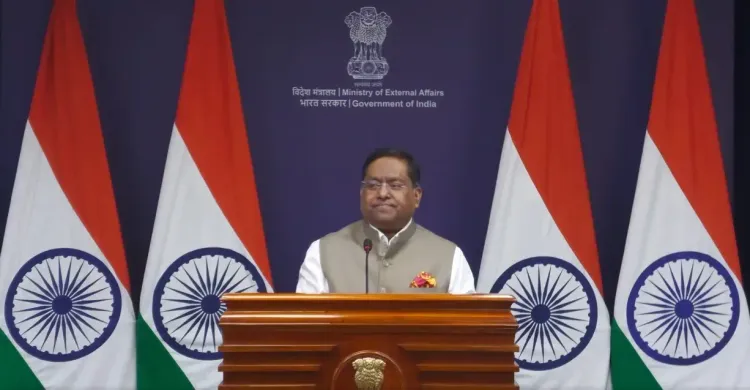
India is diversifying oil and gas imports after Strait of Hormuz disruptions linked to the West Asia crisis , confirmed MEA spokesman Randhir Jaiswal on 29 May .
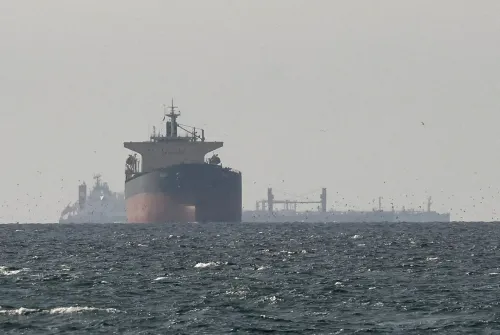
11 Indian-flagged vessels remain stranded in the Persian Gulf ; 14 others have already returned to India.
Indian refiners are increasing purchases from Russia , Nigeria , and Angola to offset Gulf supply shortfalls.
Russian crude imports are expected to average near-record 1.9 million barrels per day in May , according to Kpler data.
Benchmark Brent crude has crossed $100 per barrel ; India's large-scale Russian purchases are reportedly helping moderate global price pressure.
The Petroleum Ministry says there is no current shortage — adequate volumes are secured through long-term arrangements.
India is actively diversifying its crude oil and gas import sources to offset supply disruptions caused by the blockage of the Strait of Hormuz amid the ongoing West Asia crisis, a senior government official confirmed on Friday, 29 May. The move signals a structural shift in New Delhi's energy procurement strategy as global supply chains come under pressure.
What the Government Said
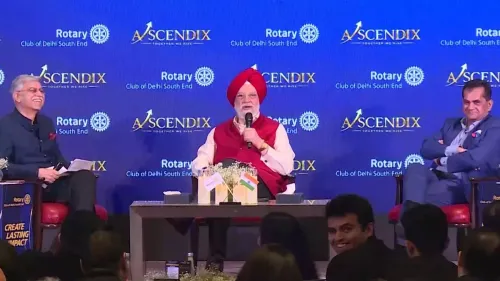
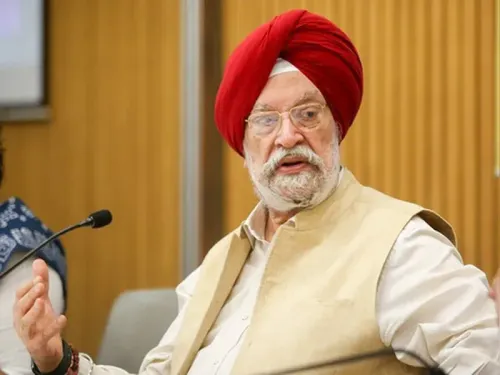
Randhir Jaiswal, spokesman for the Ministry of External Affairs, underscored the urgency of the situation. 'Energy security is very important for us. We are trying to diversify our sources from across the world, and that is our policy at present. We welcome whatever support we can receive from various markets around the world,' he said.
Jaiswal also confirmed that 11 Indian-flagged vessels remain stranded in the Persian Gulf region. He added that 14 ships that were similarly held up have since crossed the Strait of Hormuz and returned safely to India.
Where India Is Sourcing Oil
Indian oil companies have been ramping up purchases from Russia and African nations, including Nigeria and Angola, to compensate for the Gulf shortfall. A Petroleum Ministry official noted that sourcing decisions are driven primarily by commercial considerations and supply availability, and that there is currently no shortage of crude — with sufficient volumes secured through long-term arrangements.
As the world's third-largest oil importer, India had already sharply increased Russian crude purchases to capitalise on discounted prices, helping domestic refiners manage elevated global energy costs. Russian oil imports into India are expected to average close to a near-record 1.9 million barrels per day in May, according to data from Kpler.
The Russia Factor
The scale of India's Russian crude intake comes despite US sanctions on key Russian entities, including the country's largest crude suppliers — Rosneft and Lukoil — as well as associated vessels and financial channels. Those measures led to a brief moderation in purchases last year, but subsequent waivers allowed Indian refiners to step up imports once again.
Notably, benchmark Brent crude has climbed past $100 per barrel, making the availability of discounted Russian oil especially significant for India's import bill. Analysts have argued that India's large-scale Russian purchases have also had a broader market effect, helping to ease overall global demand pressure and moderate runaway price increases.
Strategic and Market Implications
This is not the first time India has recalibrated its energy sourcing in response to geopolitical turbulence — the country diversified away from Iranian crude following US sanctions in 2019. The current Hormuz disruption, however, is more acute given the scale of Gulf-dependent supply chains. With 11 vessels still stranded and Brent above $100, the pressure on New Delhi to secure alternative supply corridors is intensifying.
How swiftly India can lock in long-term contracts with African and other non-Gulf suppliers will be a key test of its energy diplomacy in the months ahead.
Point of View
But the structural dependency on the Gulf has not been dismantled — it has merely been stress-tested. The pivot to Russian crude was driven by price arbitrage, not strategic planning, and US sanctions remain an ever-present risk to that supply line. Fourteen ships getting through is relief, not resolution — eleven are still stuck. With Brent above $100 and long-term African supply contracts still thin, New Delhi's claim of 'no shortage' deserves scrutiny. The real question is whether India is building durable alternative corridors or simply riding a discount window that could close with the next round of sanctions.
NationPress
26 Sept 2026
Frequently Asked Questions
Why is India diversifying its oil imports right now?
India is diversifying oil and gas sources because the Strait of Hormuz — a critical chokepoint for Gulf crude — has been disrupted amid the West Asia crisis , threatening supply to the world's third-largest oil importer. The government says the shift is driven by both commercial considerations and the need for energy security.
How many Indian ships are stuck in the Persian Gulf?
As of 29 May , 11 Indian-flagged vessels remain stranded in the Persian Gulf . A further 14 ships that were also held up have since crossed the Strait of Hormuz and returned to India, according to MEA spokesman Randhir Jaiswal .
How much Russian oil is India importing?
Russian crude imports into India are expected to average close to a near-record 1.9 million barrels per day in May , according to data from Kpler . India ramped up Russian purchases significantly to take advantage of discounted prices amid elevated global energy costs.
Have US sanctions on Russia affected India's oil imports?
US sanctions on Rosneft , Lukoil , and associated vessels led to a brief moderation in Indian purchases last year. However, subsequent waivers allowed Indian refiners to resume and increase purchases, with May imports tracking near record levels.
Is India facing a crude oil shortage due to the Hormuz crisis?
No immediate shortage has been reported. A Petroleum Ministry official said adequate crude volumes have been secured through long-term arrangements, and Indian companies are actively sourcing from Russia , Nigeria , and Angola to make up for any Gulf shortfall.