India summons Russian envoy over MV Golden Leo attack killing 4 Indians
Synopsis
India broke from its carefully guarded neutrality on the Russia-Ukraine war to formally summon the Russian envoy and issue an 'unequivocal condemnation' after a Russian missile struck the MV Golden Leo near Odesa, killing four of the five Indians on board. It is the sharpest diplomatic rebuke New Delhi has delivered to Moscow since the conflict began in 2022.
Key Takeaways
India summoned Russian Chargé d'Affaires Vladimir Ladanov to the MEA on 22 July 2026 over the attack on MV Golden Leo .
The vessel was struck by a Kh-59/Kh-69 cruise missile while departing Port of Odesa on 19 July 2026 .
Four Indian nationals were killed; a fifth remains hospitalised in a critical condition.
The ship carried 17 crew members in total; reports indicate 10 people died in the attack overall.
Russia said it targeted vessels 'operating in the interests of the AFU' — it has not addressed the Indian casualties.
India's MEA called the targeting of commercial shipping 'unacceptable' and 'deplorable' — the strongest language New Delhi has used toward Moscow since the war began.
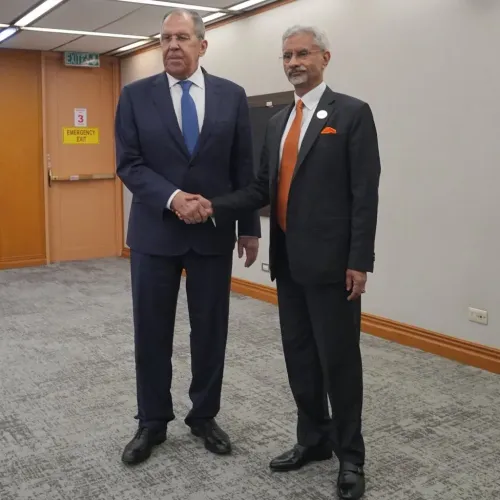
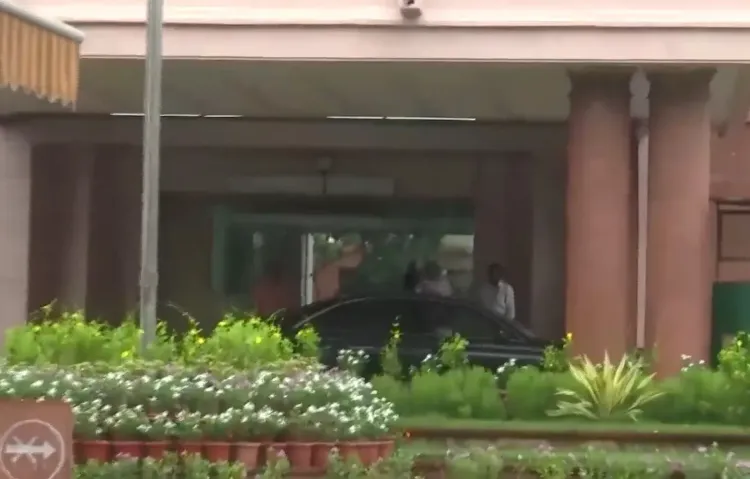
India on Tuesday, 22 July 2026, summoned Russian Chargé d'Affaires Vladimir Ladanov to the Ministry of External Affairs (MEA) in New Delhi, issuing an unequivocal condemnation of the missile strike on the commercial cargo vessel MV Golden Leo that killed four Indian nationals on 19 July 2026. The diplomatic démarche marks one of the sharpest formal protests India has lodged against Russia since the Ukraine war began.
What India Told the Russian Envoy
The MEA conveyed India's 'grave concerns and unequivocal condemnation' of the attack, stressing that targeting commercial shipping and causing the loss of innocent civilian lives is 'unacceptable and must be avoided.' Ladanov was specifically requested to transmit New Delhi's strong concerns to Russian authorities.
The MEA statement read: 'The targeting of commercial shipping and the resulting loss of innocent civilian lives are unacceptable and must be avoided.' India further reiterated that 'impeding freedom of navigation and commerce is deplorable.'
What Happened to MV Golden Leo
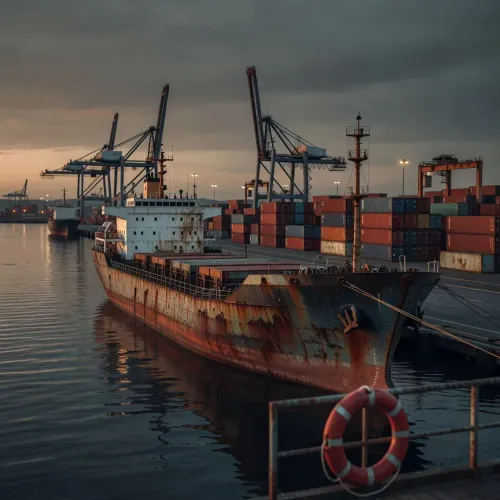
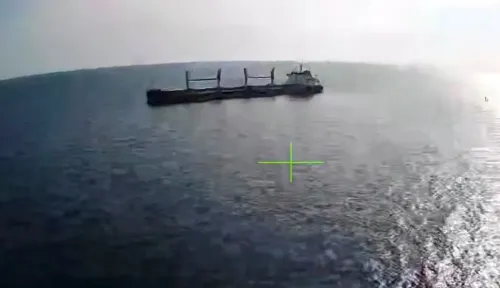
On the evening of 19 July 2026, the MV Golden Leo — a merchant vessel sailing under the Guinea-Bissau flag and owned by a Turkish entity — was struck by a missile while departing the Port of Odesa, Ukraine. The Ukraine Air Force reported that Russian forces launched three Kh-59/Kh-69 cruise missiles, one of which struck the starboard side of the vessel, igniting a fire on board.
At the time of the attack, 17 crew members were aboard, including five Indian nationals. According to the MEA, four Indians lost their lives and one remains hospitalised in a critical condition. Eight sailors in total were rescued and taken to hospital in Odesa. Reports indicate the attack killed 10 people in all.
Russia's Position
The Russian Ministry of Defence on Sunday stated that its armed forces 'continued carrying out strikes against Ukrainian ports and vessels operating in the interests of the Armed Forces of Ukraine (AFU).' Moscow listed among its targets 'two bulk carriers carrying military cargo at anchorage off the Port of Odesa,' and said anti-ship Oniks missiles, air-launched cruise missiles, and loitering munitions were deployed against port infrastructure. Russia has not specifically addressed the killing of Indian crew members.
India's Diplomatic Balancing Act
New Delhi's response is notable given India's carefully maintained neutrality on the Russia-Ukraine conflict. India has consistently abstained from UN resolutions condemning Russia and has significantly expanded its purchase of discounted Russian crude since 2022. This formal summoning of the Russian envoy — and the language of 'unequivocal condemnation' — signals that the deaths of Indian civilians have pushed New Delhi to a harder public stance than it has taken at any point since the war began.
India's mission in Ukraine is reportedly closely monitoring the situation and extending assistance to those affected. The government has conveyed its 'deepest condolences to the families of the deceased Indian nationals.'
What Happens Next
The MEA has not announced further diplomatic consequences, but the episode is likely to raise pressure on the government domestically to articulate a clearer position on the targeting of civilian shipping in the Black Sea region. The injured Indian national's condition will be closely watched, and consular support from the Indian mission in Ukraine remains active.
Point of View
No change in UN voting posture. The gap between the strength of the language and the absence of follow-through action will define how Moscow reads this signal. India's leverage here is real: it is one of Russia's largest crude buyers. Whether it chooses to use that leverage, or whether this remains a one-day protest note, is the question that the families of four dead Indian sailors deserve an answer to.
NationPress
20 Oct 2026
Frequently Asked Questions
What happened to the MV Golden Leo and why did India protest?
The MV Golden Leo, a Turkish-owned cargo vessel sailing under the Guinea-Bissau flag, was struck by a Russian cruise missile on 19 July 2026 while departing the Port of Odesa, killing four of the five Indian nationals on board. India summoned the Russian Chargé d'Affaires and issued an unequivocal condemnation, calling the targeting of commercial shipping and loss of civilian lives unacceptable.
How many people died in the MV Golden Leo attack?
Reports indicate 10 people were killed in the attack overall. Of the five Indian nationals on board, four lost their lives and one remains hospitalised in a critical condition. Eight sailors in total were rescued and taken to hospital in Odesa.
What did India's MEA say about the attack?
The MEA said it conveyed India's 'grave concerns and unequivocal condemnation' of the attack, stating that targeting commercial shipping and causing the loss of innocent civilian lives is 'unacceptable and must be avoided.' India also reiterated that impeding freedom of navigation and commerce is 'deplorable.'
What was Russia's response to the attack on MV Golden Leo?
The Russian Ministry of Defence stated on Sunday that its forces struck vessels 'operating in the interests of the Armed Forces of Ukraine' near Odesa, listing bulk carriers carrying military cargo among its targets. Russia has not specifically addressed the killing of Indian crew members.
How significant is India summoning the Russian envoy given their bilateral ties?
It is significant. India has maintained studied neutrality on the Russia-Ukraine conflict since 2022, abstaining from UN resolutions and expanding Russian crude imports. The formal summoning of the envoy and the use of 'unequivocal condemnation' represents the sharpest diplomatic rebuke New Delhi has issued to Moscow since the war began.