How is Congressional Candidate John Bartlett Engaging Indian American Voters in New Jersey's Special Election?
Synopsis
John Bartlett is actively courting Indian American voters in the upcoming special election for New Jersey’s 11th Congressional District. With a strong personal connection to the community and a commitment to addressing key issues, he aims to represent their voices in Congress.
Key Takeaways
John Bartlett is reaching out to Indian American voters in his campaign.
The special election for New Jersey's 11th District will take place on February 5 .
Indian American families in the region face various challenges, including visa and immigration issues .
Bartlett emphasizes the importance of civic engagement and voter turnout.
Healthcare, immigration, and US-India relations are key policy areas for Bartlett.
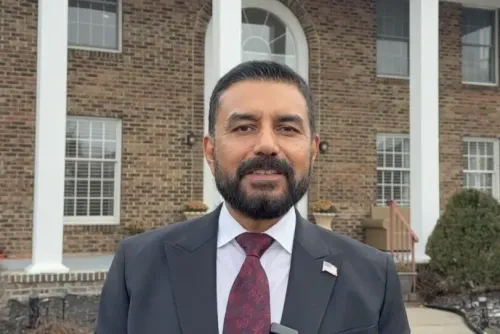
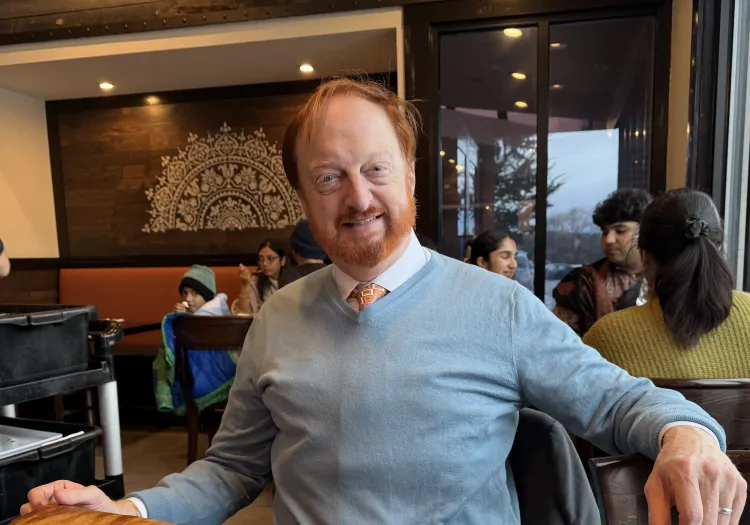
Washington, Jan 6 (NationPress) John Bartlett, a county commissioner and voting rights attorney, is actively reaching out to Indian American voters as he campaigns in the special election for New Jersey's 11th Congressional District. He emphasizes his personal connections to the community and his commitment to addressing its concerns.
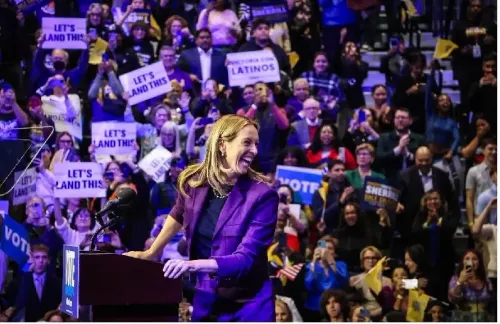
Bartlett's candidacy comes after Rep. Mikie Sherrill was elected governor of New Jersey, resulting in a vacancy that has led to a closely monitored special election. "We have a special election approaching on February 5, and numerous candidates are vying for the Democratic primary," he stated. "I am one of those candidates, hoping to represent this district in the United States Congress."
Highlighting his relationship with Indian Americans, Bartlett shared in an interview with IANS that he is "a member of the community by marriage," as his wife, Dr. Kathy Joshi, is Indian American. "I've gained substantial insights through her," he noted, mentioning his extensive time spent in India and his efforts to foster connections with Indian American residents in northern New Jersey.
As a county commissioner in Passaic County, Bartlett prioritized the inclusion of immigrant communities, particularly concerning language access. He mentioned that during the 2020 census, outreach was conducted not only in English and Spanish but also in Arabic, Hindi, and Bengali, reflecting the immigrant populations from India and Bangladesh in the area. "Counting everyone ensures those communities receive the resources they require," he asserted.
Bartlett characterized New Jersey's 11th District as home to some of the most significant Indian American communities, including Parsippany, Livingston, Short Hills, Randolph, and Wayne. "The 11th district is 12 percent Asian American, with over half identifying as Indian American," he explained, noting the diversity of Indian American families in the region, spanning various generations, professions, and immigration histories.
He acknowledged that Indian American families in the area encounter numerous challenges, such as visa and immigration issues, racial and religious discrimination, and increasing costs for businesses and households. "Having someone who comprehends these issues from within and is responsive to these communities is a priority for me," Bartlett declared.
As a voting rights lawyer for nearly 25 years, Bartlett is running for Congress amid perceived threats to civil rights and democratic principles. He criticized the Trump administration for its lack of investment in civil and voting rights, noting that voters in his district share these concerns. "We have one opportunity to ensure the 2028 presidential election is free and fair," he argued, positing that electing a voting rights attorney to Congress could help safeguard that objective.
Bartlett also emphasized the political significance of Indian American turnout in a special election with typically low voter participation. "In a special election, mobilizing your base and supporters is crucial to winning," he said, encouraging Indian American voters to participate through early voting, mail-in ballots, or in-person on the primary day, February 5.
On policy, Bartlett pointed out key areas such as healthcare, immigration, and US-India relations. He expressed support for reviving the concept of a public healthcare option and criticized policies that have inflated costs for families. He also highlighted tariffs and visa restrictions as detrimental to Indian American businesses and families: "We need someone who grasps the real human implications of such policies," he remarked, referencing the impact of tariffs on Indian American business hubs like Oaktree Road in Edison and Newark Avenue in Jersey City.
Describing India as "one of the most critical American relationships globally," Bartlett urged Congress to enhance economic and cultural ties between the two nations rather than implementing policies that complicate immigration and trade.
"This election on February 5 offers the Indian American community a chance to demonstrate its strength, political clout, and to achieve something significant," he concluded.
The special Democratic primary is set for February 5, with early voting occurring from January 29 to February 3. The special general election is scheduled for April 16. New Jersey's 11th District has been represented by Democrats in recent years and is deemed a significant suburban seat in the state's political arena.
Point of View
It is imperative to present a balanced narrative on the upcoming special election in New Jersey’s 11th District. John Bartlett's outreach to Indian American voters is significant, considering the demographic's growing influence in local politics. His personal connections and policy priorities reflect a responsiveness to community needs, which is vital in today's political climate. Engaging underrepresented communities in the electoral process is essential for a healthy democracy, and Bartlett's candidacy serves as a pivotal moment for Indian American voters to assert their political power.
NationPress
19 Sept 2026
Frequently Asked Questions
Who is John Bartlett?
John Bartlett is a county commissioner and voting rights attorney running in the special election for New Jersey’s 11th Congressional District.
What is the significance of Indian American voters in this election?
Indian American voters make up a significant portion of the electorate in New Jersey's 11th District, and their turnout can greatly influence the election outcome.
When is the special election?
The special primary election is scheduled for February 5, with early voting from January 29 to February 3.
What issues does Bartlett focus on?
Bartlett focuses on healthcare, immigration, and strengthening US-India relations, among other issues affecting the Indian American community.
How can voters participate in the election?
Voters can participate through early voting, mail-in ballots, or voting in person on the primary day, February 5.