Indian Army Safeguards Assam by Defusing WWII Bombs
Synopsis
In a critical operation, the Indian Army neutralised WWII-era bombs in Assam, preventing potential civilian casualties. This swift action showcases the Army's dedication to public safety and regional stability.
Key Takeaways
The Indian Army neutralised WWII-era bombs in Assam.
Swift action prevented potential civilian casualties.
Authorities highlighted the importance of safety protocols during the operation.
Such munitions occasionally surface in historically significant areas.
The operation underscores the Army's commitment to public safety.
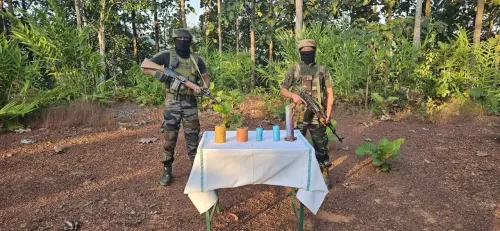
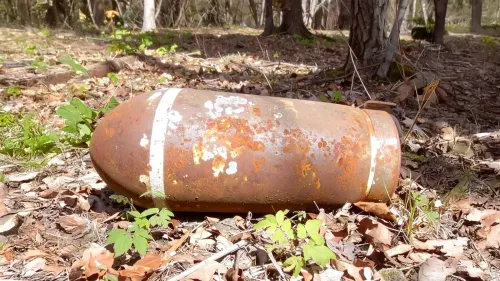
Guwahati, March 31 (NationPress) The Indian Army effectively neutralised unexploded munitions from World War II in Tinsukia district, Assam, significantly reducing the risk to local residents, officials reported on Tuesday.
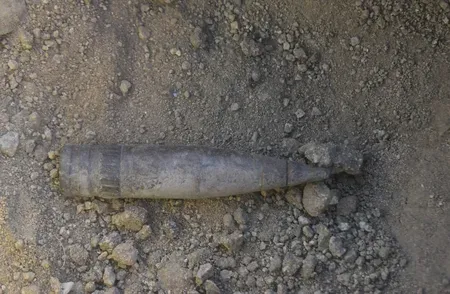
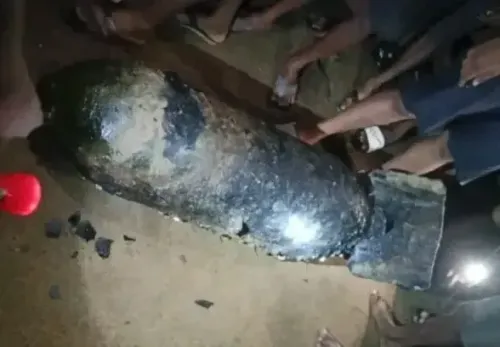
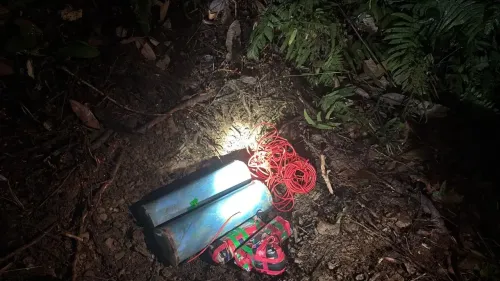
Authorities revealed that the ordnance, which included a General Purpose bomb and an incendiary device, was found in the Burma Camp area of Ledo, where a civilian accidentally uncovered the explosives while digging a pit. The presence of these dangerous materials posed a considerable threat to life and property in this densely populated region.
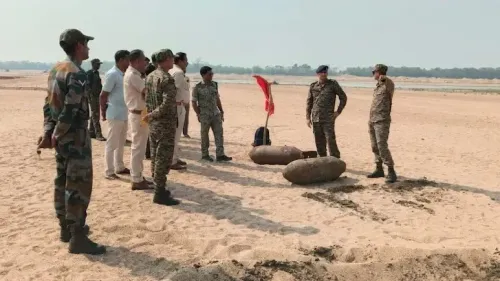
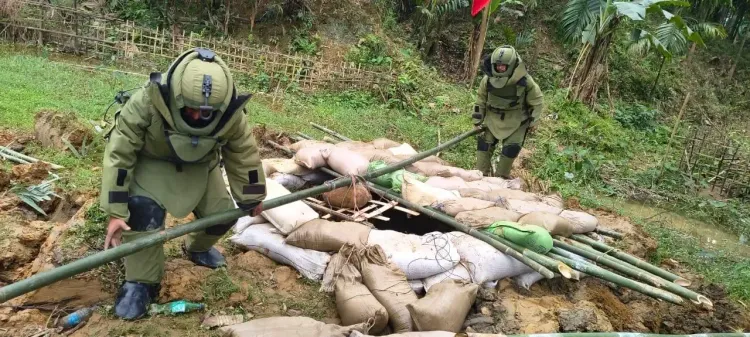
Responding promptly to alerts from civil authorities, the Indian Army’s Red Shield Division dispatched a specialised Bomb Disposal Unit to the scene. Upon their arrival, the team evacuated nearby civilians and established a secure perimeter, rigorously following safety protocols.
“The situation was managed with the highest degree of urgency and precision. Every precaution was implemented to avoid any unfortunate incidents,” an official stated.
The unexploded bombs were meticulously secured and later transported to a designated safe zone, away from populated areas.
Subsequently, officials confirmed that the munitions were neutralised in a controlled operation, effectively eliminating the threat without inflicting any collateral damage.
“The operation was executed with exemplary professionalism, ensuring the complete safety of civilians and the surrounding environment,” another official added.
Such unexploded ordnance from the Second World War occasionally emerges in Upper Assam, particularly in historically significant locations like Ledo and Lekhapani, which were crucial during the war due to military operations and supply routes.
Officials emphasised that the swift response and collaborative efforts by the Army prevented what could have been a catastrophic event. The safe disposal of these explosives has provided comfort and reassurance to the local community.
This incident underscores the Indian Army’s readiness and dedication to protecting civilian lives while fostering peace, security, and stability in the region, officials remarked.
Point of View
This incident reflects the Indian Army's proactive measures in safeguarding civilian lives. The swift neutralisation of WWII-era bombs is a testament to their preparedness and dedication to maintaining peace in the region. The local community can take comfort in knowing that such threats are managed promptly and effectively.
NationPress
17 Sept 2026
Frequently Asked Questions
What type of bombs were neutralised in Assam?
The Indian Army neutralised a General Purpose bomb and an incendiary bomb from World War II.
Where were the bombs discovered?
The unexploded bombs were found in the Burma Camp area of Ledo in Tinsukia district.
How did the Indian Army respond to the situation?
The Indian Army dispatched a Bomb Disposal Team, evacuated civilians, and secured the area while neutralising the bombs.
Was there any collateral damage during the operation?
No, the operation was conducted in a controlled manner, eliminating the threat without causing any collateral damage.
Why do WWII-era bombs sometimes appear in Assam?
These bombs occasionally surface due to the historical significance of regions like Ledo and Lekhapani, which were involved in military activities during the war.