Army destroys live mortar shell near LoC in J&K's Poonch district
Synopsis
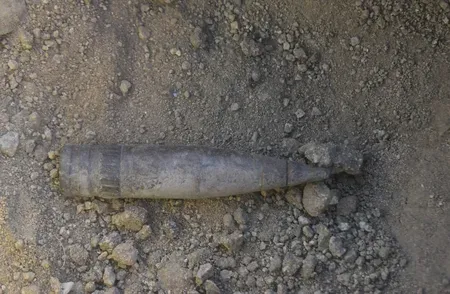
An Army bomb disposal squad neutralised a live mortar shell in the Mankote sector of Poonch's LoC on 21 August — the latest in a recurring pattern of unexploded ordnance discoveries in J&K's forward villages, where past cross-border shelling and monsoon flooding continue to push dangerous munitions into civilian farmland.
Key Takeaways
The Indian Army safely destroyed a live mortar shell on 21 August in the Mankote sector of the LoC in Poonch, J&K .
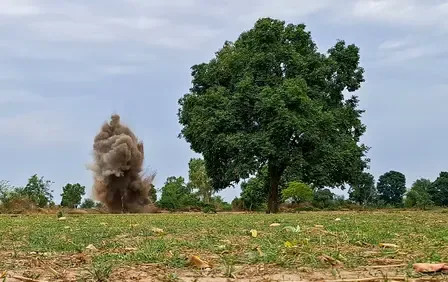
The controlled detonation was carried out by the Army's Bomb Disposal Squad (BDS) in the Dabraj area .
No injuries or property damage were reported in the operation.
Unexploded shells from past cross-border shelling are frequently unearthed in forward areas during farming or heavy rains.
Forward sectors including Poonch , Rajouri , Baramulla (Uri) , and Akhnoor face persistent ordnance hazards.
Civilians are advised to report any suspicious object immediately to the nearest Army camp or police station.
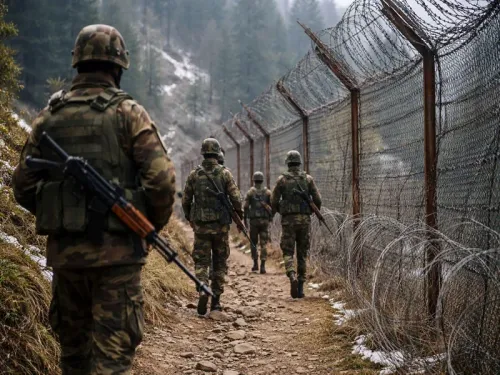
The Indian Army on Friday, 21 August safely neutralised a live mortar shell discovered along the Line of Control (LoC) in Poonch district, Jammu and Kashmir, officials confirmed. The operation was carried out without any injuries or property damage.
How the Operation Unfolded
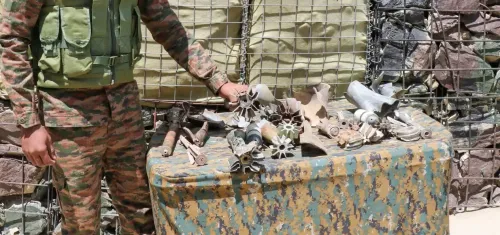
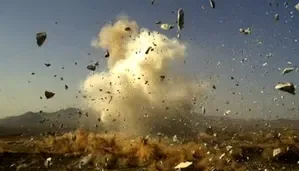
The live mortar shell was detected in the Mankote sector of the LoC in Poonch. The Army's Bomb Disposal Squad (BDS) conducted a controlled detonation in the Dabraj area, safely eliminating the threat. Officials confirmed no casualties or structural damage resulted from the disposal.
A Recurring Hazard Along the LoC
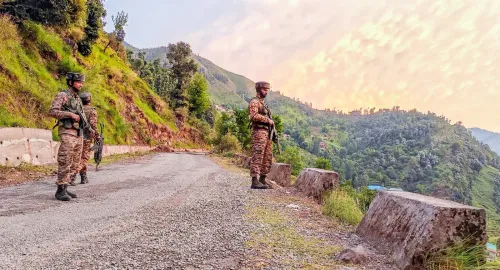
Unexploded ordnance is a persistent danger in forward villages along the LoC in Jammu and Kashmir. Mortar shells from past cross-border shelling episodes are frequently unearthed by farmers during agricultural activity or dislodged by heavy rainfall. This is not an isolated incident — military bomb disposal teams regularly conduct controlled detonations across the region to neutralise such hazardous remnants.
Forward sectors including Poonch, Rajouri, Baramulla (Uri), and Akhnoor are among the most affected zones. Seasonal flooding and heavy downpours can displace landmines and shells from their original mapped perimeters into adjacent fields and slopes, compounding the risk to civilians.
Landmine Threat in Border Areas
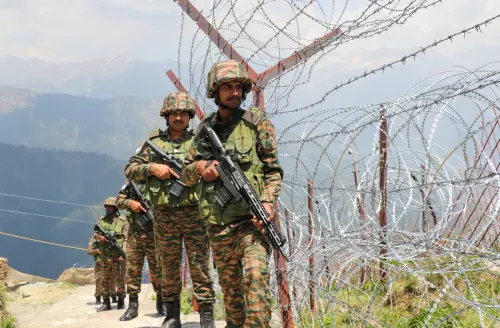
Beyond unexploded shells, landmines remain a serious danger for both security forces and civilians living near the LoC. The Army deploys landmines as a tactical barrier to deter illegal crossings and infiltration. However, shifting terrain caused by monsoon flooding and dry-season forest fires — which can detonate exposed mines — makes the threat dynamic and difficult to fully contain.
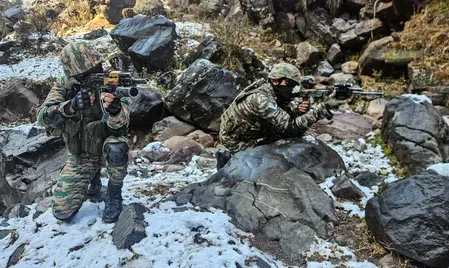
Casualties occasionally occur during area-domination patrols or when BDS personnel attempt to neutralise displaced or corroded ordnance, according to officials.
Safety Advisory for Civilians
Authorities have consistently urged residents in border areas not to touch, move, or pick up any unidentified object resembling a shell or mine. Civilians are advised to maintain a safe distance, alert others nearby, and immediately report the location to the nearest Army camp or local police station so trained BDS personnel can manage the neutralisation safely.
With the monsoon season still active, the risk of further ordnance displacement along the LoC remains elevated in the weeks ahead.
Point of View
But the broader policy question — how to systematically clear and map contaminated zones so farmers are not routinely at risk — remains underaddressed in public discourse.
NationPress
5 Oct 2026
Frequently Asked Questions
What happened in Poonch near the LoC on 21 August?
The Indian Army's Bomb Disposal Squad safely destroyed a live mortar shell discovered in the Mankote sector of the Line of Control in Poonch, Jammu and Kashmir, on 21 August. A controlled detonation was carried out in the Dabraj area, with no injuries or property damage reported.
Why are unexploded shells found along the LoC in J&K?
Mortar shells from past cross-border shelling episodes remain buried in forward areas along the LoC. They are frequently unearthed by farmers during agricultural work or displaced by heavy monsoon rains, making them a recurring hazard in districts like Poonch, Rajouri, and Baramulla.
What should civilians do if they find an unexploded shell or landmine?
Civilians are advised not to touch, move, kick, or pick up the object. They should maintain a safe distance, warn others to stay away, and immediately report the location to the nearest Army camp or local police station so trained BDS personnel can handle safe neutralisation.
Are landmines also a threat in the Poonch area?
Yes, landmines are deployed by the Army as a tactical barrier along the LoC to deter illegal crossings. However, seasonal flooding and forest fires can displace mines from their original mapped positions into nearby fields and slopes, posing risks to both civilians and security personnel.
How often does the Army conduct bomb disposal operations in J&K?
Military bomb disposal squads regularly carry out controlled detonations across forward sectors in Jammu and Kashmir. The frequency increases during and after the monsoon season, when rainfall displaces ordnance from its original locations into civilian and agricultural areas.