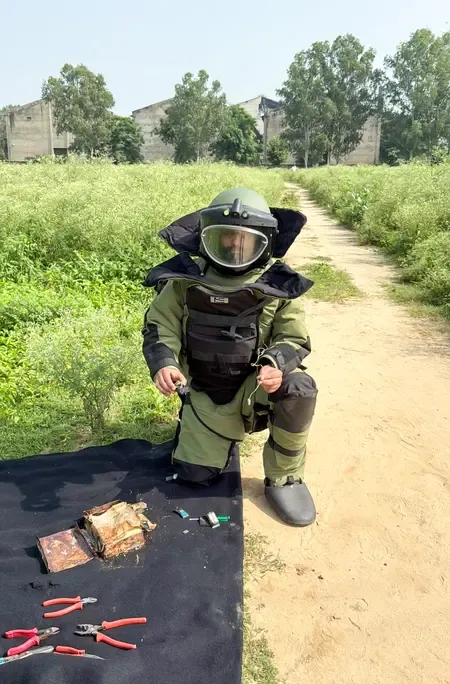
IED recovered in J&K's Poonch during Army search op, fifth such find this month
Synopsis
Five IED recoveries across Poonch, Rajouri, Baramulla, and Handwara in a single month signal a sharp uptick in both terror pre-positioning and Army counter-operations in J&K. Friday's Mankote find — the latest in a rapid series — suggests security forces are racing against an active supply chain before winter closes the mountain passes.
Key Takeaways
Security forces recovered suspected IEDs and explosive material from a hideout in Mankote sector, Poonch on 23 October 2026 .
The operation was conducted by the Indian Army's Rashtriya Rifles based on intelligence from the Territorial Army .
On 22 October 2026 , two OGWs were arrested in Baramulla with 22.5 kg of IED material, a pistol, ammunition, and cash.
A Rajouri IED was recovered and destroyed on 16 October 2026 ; two more (totalling ~ 12 kg ) were seized near Handwara on National Highway 701 .
Recoveries span Poonch, Rajouri, Baramulla, and Handwara — pointing to an elevated, region-wide counter-terror tempo this month.
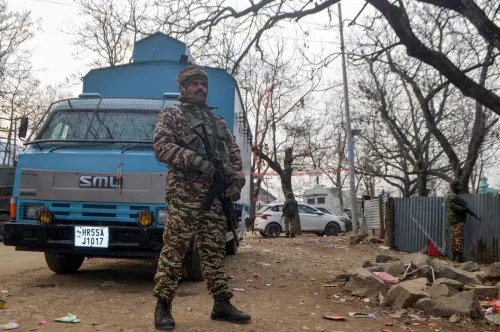
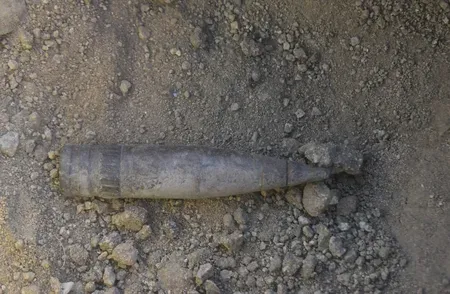
Security forces recovered a suspected Improvised Explosive Device (IED) and other explosive material from a hideout in the Mankote sector of Poonch district, Jammu and Kashmir, on Friday, 23 October 2026. The recovery marks the latest in a series of IED seizures across the region this month, underlining sustained counter-terror pressure along the Pir Panjal belt.
How the Operation Unfolded
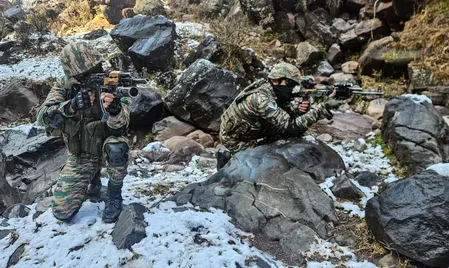
The search operation was launched by the Indian Army's Rashtriya Rifles in Kasbalari and adjoining areas after actionable intelligence was received from the Territorial Army. Officials confirmed that both suspected IEDs and associated explosive material were retrieved from the concealed hideout, though the exact composition and weight of Friday's haul were not immediately disclosed.
A Pattern of Recoveries Across J&K in October 2026
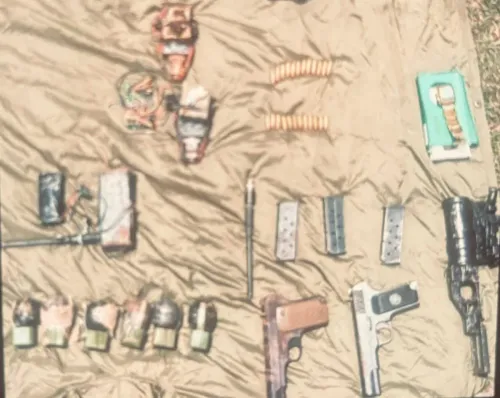
The Poonch find is the latest in a string of high-stakes recoveries across Jammu and Kashmir over the past fortnight. On 22 October 2026, police and the Army's 52 Rashtriya Rifles arrested two terror associates — identified as Overground Workers (OGWs) — in the Darpura Nursery and Delina areas of Baramulla district. That operation yielded two IEDs weighing approximately 15 kg and 7.5 kg (totalling 22.5 kg), alongside a CANIK pistol, ammunition, a scooty, and cash.
On 16 October 2026, security forces in Rajouri recovered and destroyed an IED during an anti-terror operation in the Thungwali area of Kandi. Separately, a joint Army-police team recovered two IEDs weighing roughly 5 kg and 7 kg from the Wodhpura forest area of Handwara near National Highway 701, averting what officials described as potential attacks. Earlier this week, troops acting on specific intelligence inputs also recovered ready-to-use IEDs and explosive materials from hideouts in the Degwar and Dalan sectors of Poonch.
How Terror Groups Deploy These Devices
Security agencies broadly categorise recovered explosive devices into operational types based on documented deployment patterns in J&K. Vehicle-Borne IEDs and magnetic devices — commonly called 'sticky bombs' by security personnel — are designed to target transport infrastructure or specific vehicles. Investigators have also documented the concealment of explosive materials inside everyday objects such as tiffin boxes or common household containers to aid placement in public spaces. Recoveries from remote hideouts frequently involve improvised fabrications using industrial or domestic components to house explosive compounds.
Counter-Terror Focus and What Comes Next
Counter-terrorism operations in the region are concentrated on dismantling the supply chains and staging points that enable IED assembly and deployment. The clustering of recoveries across Poonch, Rajouri, Baramulla, and Handwara within a single month points to an elevated operational tempo by both security forces and, reportedly, terror networks attempting to pre-position material ahead of winter. Notably, Poonch and Rajouri have historically been focal points for trans-border infiltration attempts before snowfall closes high-altitude passes. Authorities have not yet confirmed a direct link between the separate caches, but the geographic spread and frequency suggest a coordinated intelligence-driven response by the Army and police. Further searches in the Mankote sector are expected to continue in the coming days.
Point of View
Or both simultaneously. The Poonch-Rajouri belt has long been the softest infiltration corridor before snowfall seals the passes, and the clustering of finds there is strategically significant. What remains underreported is the OGW angle: the Baramulla arrests confirm that local overground support networks are actively facilitating device placement, not just cross-border handlers. Dismantling those local nodes may matter more than any single cache recovery.
NationPress
23 Oct 2026
Frequently Asked Questions
What was recovered during the Army search operation in Poonch on 23 October 2026?
Security forces recovered suspected IEDs and other explosive material from a hideout in the Mankote sector of Poonch district on 23 October 2026. The operation was conducted by the Indian Army's Rashtriya Rifles following intelligence inputs from the Territorial Army.
How many IED recoveries have been made in J&K in October 2026?
At least five significant IED recoveries have been reported across J&K this month, in Poonch, Rajouri, Baramulla, and Handwara. The finds include devices ranging from roughly 5 kg to over 15 kg, along with weapons and ammunition.
Who are Overground Workers (OGWs) and what role do they play?
Overground Workers (OGWs) are civilian terror associates who provide logistical support — such as transporting weapons, concealing materials, or gathering intelligence — to militant networks without directly participating in armed operations. The arrest of two OGWs in Baramulla on 22 October 2026 with 22.5 kg of IED material highlights their role in local facilitation.
Why are IED recoveries in Poonch and Rajouri significant?
Poonch and Rajouri lie along historically active infiltration corridors in the Pir Panjal range. Security forces and analysts note that militant networks typically attempt to pre-position weapons and explosive material before winter snowfall seals high-altitude mountain passes, making October a high-risk period.
What types of IEDs are typically found in J&K?
Security agencies document two broad categories: Vehicle-Borne IEDs targeting transport infrastructure, and magnetic 'sticky bombs' designed to attach to specific vehicles. Explosive material is also reportedly concealed inside everyday objects like tiffin boxes or household containers to aid placement in public spaces.