How are GST reforms and rural recovery boosting India's auto sector in Q3?
Synopsis
India's auto industry is witnessing unprecedented growth, with a remarkable 20% rise in passenger volumes in Q3 2025. This surge is attributed to GST reforms and a boost in rural demand, coupled with festive season momentum. Discover how these factors are shaping the future of the industry.
Key Takeaways
20% increase in passenger volumes year-on-year.
GST reforms played a crucial role in price reductions.
Rural demand strengthened due to improved farm incomes.
Commercial vehicle sector showing signs of an upturn.
Raw material costs could pressure margins in future quarters.
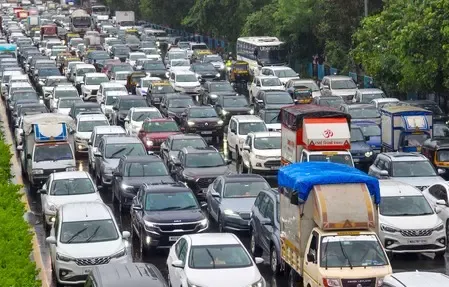
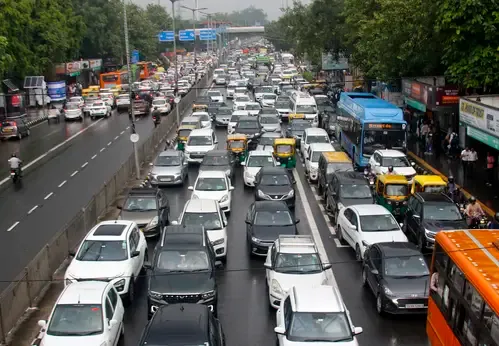
New Delhi, Jan 9 (NationPress) India's automotive sector showcased remarkable growth, with passenger volumes surging by 20 percent year-on-year in the October–December 2025 quarter. This surge was primarily fueled by GST reforms, a resurgence in rural demand, and the ongoing festive season, as detailed in a report released on Friday.
According to financial services firm PL Capital, enhanced affordability, more accessible financing options, and a recovering consumer mindset played pivotal roles in fostering widespread volume growth across passenger vehicles, two-wheelers, and commercial vehicles.
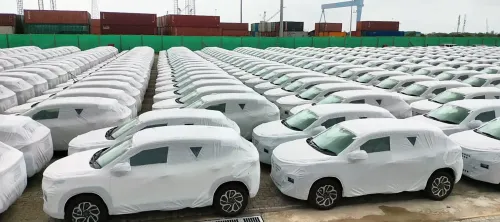
Passenger vehicle volumes benefited significantly from GST-induced price reductions and year-end discounts, resulting in a dramatic decrease in inventory days from over 55 days to just 45 days in November and approximately 38 days in December.
While small cars experienced the greatest advantages from GST cuts, SUVs maintained their popularity, reflecting the ongoing trend towards premiumization.
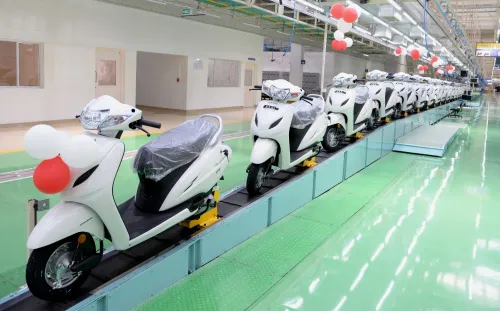
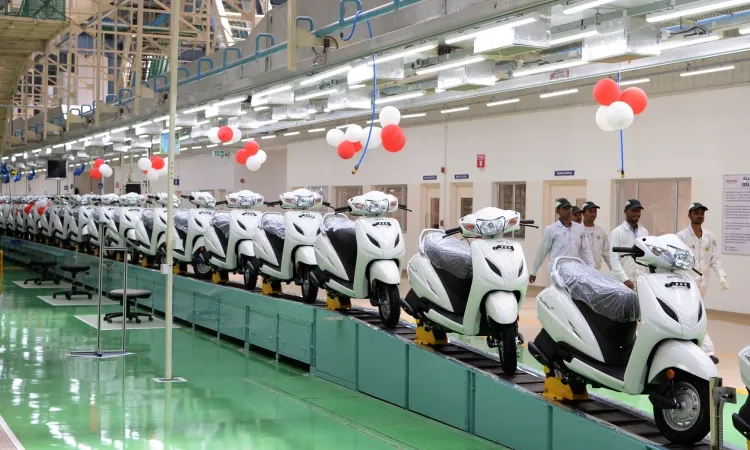
Furthermore, the two-wheeler segment enjoyed high-teens growth, particularly in the motorcycle category for models of 150cc and above, with some experiencing extended wait times due to robust retail sales and dealer restocking, as highlighted in the report.
The commercial vehicle sector is showing early signs of an upturn during Q3FY26, driven by a revival in construction and mining activities following an extended monsoon. Medium and heavy commercial vehicles outpaced light commercial vehicles, driven by replacement demands and a preference for higher-tonnage models.
Further, improved affordability resulting from GST rate adjustments motivated fleet operators to expedite purchasing decisions, as noted in the report.
Sales of construction equipment have bounced back, though growth remains modest against a high baseline due to preemptive buying before emission norm changes last year. Tractor sales continued to rise, supported by state subsidies and favorable government policies.
"On the rural side, a robust Kharif harvest and increased Rabi sowing acreage bolstered farm incomes and cash flow, leading to a heightened demand for entry-level vehicles and tractors," the report stated.
Original Equipment Manufacturers (OEMs) also reaped benefits from new model introductions, updates, and enhanced realisations, while exports remained stable amid a weakening rupee.
However, the financial services firm cautioned that escalating costs of raw materials like aluminium, copper, and platinum, along with the reinstatement of steel safeguard duties from January 2026, could exert pressure on margins in the forthcoming quarters.
Point of View
I believe that the recent performance of India’s automobile sector is indicative of a resilient economy. The growth driven by GST reforms and rural recovery is a promising sign. However, challenges such as rising raw material costs need to be addressed to sustain this momentum.
NationPress
3 Oct 2026
Frequently Asked Questions
What factors contributed to the growth of India's automobile sector in Q3 2025?
Key factors include GST reforms, increased rural demand, and sustained festive consumer sentiment.
How much did passenger volumes increase in this quarter?
Passenger volumes rose by 20% year-on-year in the October-December 2025 quarter.
What segments showed significant growth in vehicle sales?
Passenger vehicles, two-wheelers, and commercial vehicles all experienced broad-based volume growth.
What challenges does the auto sector face moving forward?
The sector faces challenges such as rising raw material costs and the reintroduction of steel safeguard duties.
How did rural demand influence vehicle sales?
A healthy Kharif harvest and better Rabi sowing increased farm incomes, boosting demand for entry-level vehicles and tractors.