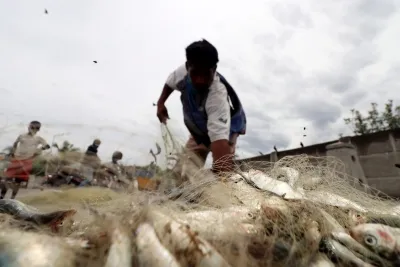
India's marine catch rises 3% to 35.7 lakh tonnes in 2025, sardine leads rebound
Synopsis
India's marine fisheries sector quietly posted one of its better years in recent memory — total landings up 3% to 35.7 lakh tonnes, oil sardine at a decade-high in Kerala, and sector value jumping over 10%. The numbers suggest ecological recovery and demand strength are converging, offering a rare good-news story for India's coastal communities.
Key Takeaways
India's total marine fish landings rose 3% year-on-year to 35.7 lakh tonnes in 2025 , per CMFRI .
Tamil Nadu led all states with 6.85 lakh tonnes , displacing Gujarat , which fell 15% due to adverse weather and extended fishing bans.
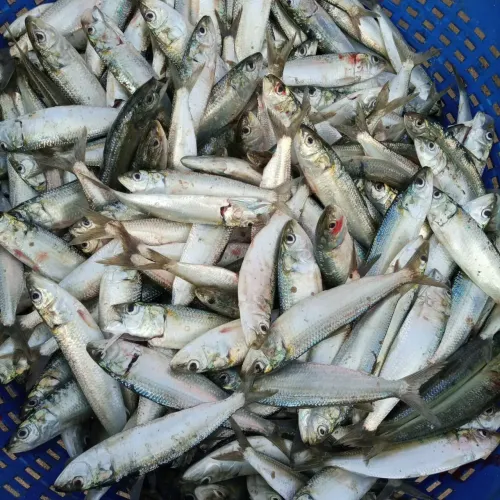
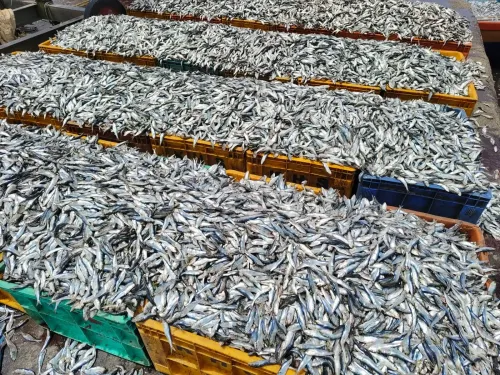
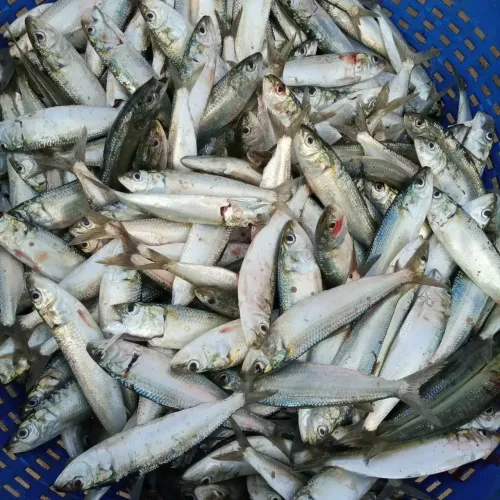
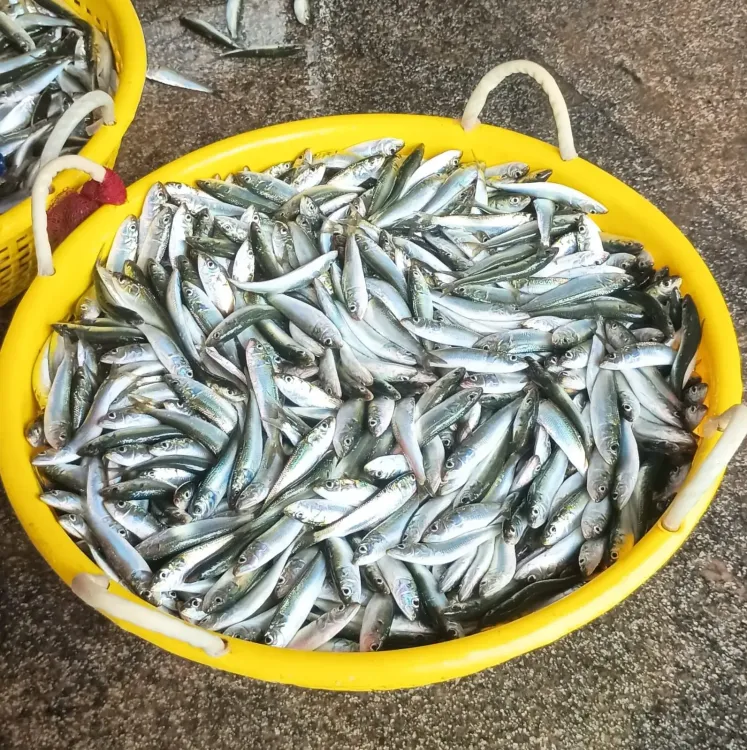
Kerala's oil sardine catch surged 13% to 1.68 lakh tonnes — its highest in a decade.
National marine fish landing value rose 10.45% to ₹69,254 crore ; retail value reached ₹97,702 crore .
Cephalopods and threadfin breams hit decadal highs, signalling improved stock conditions and management practices.
Kerala led marketing efficiency at 72.83% , with landing centre earnings up 17.8% .
India's marine fisheries sector posted a steady recovery in 2025, with total landings rising 3% year-on-year to 35.7 lakh tonnes, according to the Central Marine Fisheries Research Institute (CMFRI). The data, released from Kochi, signals a stabilising resource base alongside improving market realisations, offering cautious optimism for the country's blue economy.
State-wise Performance
Tamil Nadu emerged as the top contributor in 2025, recording 6.85 lakh tonnes and displacing Gujarat, where output fell 15% amid adverse weather conditions and extended fishing bans. Kerala retained third position, posting a modest 2% growth to 6.24 lakh tonnes — roughly 17% of national production.
What's Driving the Catch Composition
Pelagic species dominated the catch with a 54% share, underlining the sector's continued dependence on near-surface resources. Indian mackerel led national landings at 2.70 lakh tonnes, followed by cephalopods and the resurgent Indian oil sardine. Notably, cephalopods and threadfin breams posted strong double-digit growth, touching decadal highs — an indicator of favourable stock conditions and improved management practices.
Kerala's Oil Sardine Rebound
Kerala's performance was anchored by a sharp rebound in oil sardine, which rose 13% to 1.68 lakh tonnes — its highest level in a decade. Gains were also recorded in threadfin breams and cephalopods, offsetting declines in scads and shrimp varieties. Key landing hubs such as Neendakara and Munambam continued to drive volumes, even as adverse weather and a cargo shipwreck curtailed fishing days during peak months.
Value Growth Outpaces Volume
The sector's value story is particularly compelling. Marine fish landings generated ₹69,254 crore at the national level — up 10.45% — with retail value touching ₹97,702 crore. Kerala outperformed on value growth, with landing centre earnings rising 17.8%, reflecting improved price realisation and supply-demand balance. Marketing efficiency also strengthened, with Kerala leading nationally at 72.83%.
What Experts Say
According to CMFRI Director Dr Grinson George, favourable environmental conditions combined with regulated fishing pressure enabled stock recovery, particularly for small pelagic species. For industry stakeholders, the data underscores a dual trend — ecological recovery supporting volumes and robust demand driving value — positioning marine fisheries as a resilient contributor to coastal economies. This comes amid broader policy efforts to expand India's blue economy, and the 2025 figures may strengthen the case for continued investment in sustainable fisheries management.
Point of View
But the structural story deserves scrutiny. Tamil Nadu displacing Gujarat at the top is partly a weather story, not purely a management success — Gujarat's 15% drop on adverse conditions is a reminder of how climate-sensitive this sector remains. Kerala's oil sardine rebound is genuinely significant, given the species collapsed to alarming lows just a few years ago, but one strong year does not confirm recovery. The value growth outpacing volume growth — 10.45% versus 3% — is the more durable signal: it suggests demand-side strength and better market linkages. Whether that translates into sustained income gains for artisanal fishers, who remain the most vulnerable link in the chain, is the question the data does not yet answer.
NationPress
19 Sept 2026
Frequently Asked Questions
What were India's total marine fish landings in 2025?
India's total marine fish landings reached 35.7 lakh tonnes in 2025, a 3% increase year-on-year, according to the Central Marine Fisheries Research Institute (CMFRI). The rise signals a stabilising resource base and improving market realisations.
Which state led marine fish production in India in 2025?
Tamil Nadu topped all states with 6.85 lakh tonnes in 2025, displacing Gujarat, which saw output fall 15% due to adverse weather and extended fishing bans. Kerala ranked third with 6.24 lakh tonnes.
Why is Kerala's oil sardine rebound significant?
Kerala's Indian oil sardine catch rose 13% to 1.68 lakh tonnes in 2025 — its highest level in a decade. The species had experienced sharp declines in previous years, making this rebound a positive indicator of stock recovery and regulated fishing pressure.
How much value did India's marine fisheries sector generate in 2025?
Marine fish landings generated ₹69,254 crore at the national level in 2025, up 10.45% year-on-year, with retail value reaching ₹97,702 crore. Kerala led value growth with landing centre earnings rising 17.8%.
What species drove growth in India's marine catch in 2025?
Indian mackerel led national landings at 2.70 lakh tonnes. Cephalopods and threadfin breams posted strong double-digit growth, touching decadal highs. The Indian oil sardine also staged a notable rebound, particularly in Kerala.