India's Ambitious Move to Become a Global Electro-Tech Leader: WEF Insights
Synopsis
India is emerging as a leading player in the global electro-tech manufacturing sector, according to a World Economic Forum report. This strategic shift towards renewable energy and electric vehicles positions India as a pioneer in energy sovereignty, attracting attention from other developing nations.
Key Takeaways
India is becoming a global hub for electro-tech manufacturing.
Focus on renewable energy is reshaping its industrial landscape.
Electric vehicle sales are on the rise, with a significant market share in three-wheelers.
Solar module production has grown tremendously to ensure self-sufficiency.
Strategic policies are driving a manufacturing boom in various sectors.
New Delhi, March 26 (NationPress) India is establishing itself as a prominent global hub for electro-technical manufacturing, aiming for energy independence, as highlighted in a report by the World Economic Forum (WEF). The report indicates that while India paves the way for a promising energy future, other developing markets are closely observing its progress.
New Delhi is carving out a novel trajectory, focusing on affordable solar energy and batteries instead of relying on fossil fuels. This strategic shift allows India to avoid the fossil fuel path that the West and China have taken, according to the findings.
In 2012, China's solar output was minimal, with coal demand remaining robust. In contrast, by 2025, India is projected to derive 9 percent of its electricity from solar sources and utilize only about a quarter of the coal per capita compared to China, nearing its peak coal generation.
India's road oil consumption stands at 96 liters per capita, half of China's figures during a similar developmental phase, and is not expected to increase significantly.
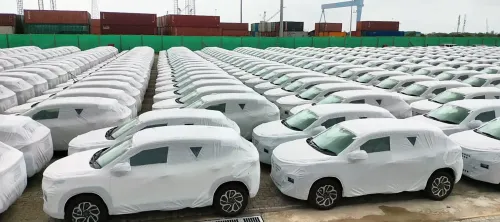
According to the report, electric vehicles (EVs) are approaching 5 percent of total car sales, with three-wheelers leading globally as electric variants near 60 percent of the market share.
Additionally, electricity now constitutes nearly 20 percent of final energy, matching China's levels at similar income stages and competing with advanced economies.
The report reveals that when China surpassed 1,500 kWh of electricity consumption per person, coal was ten times more affordable than solar. Now, as India reaches the same consumption level, solar combined with storage is priced at half that of new coal.
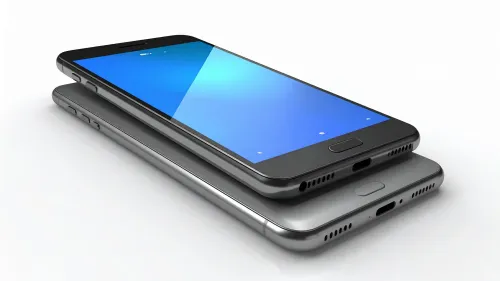
This policy-driven initiative is triggering a manufacturing surge, with the electronics sector expanding nearly six-fold over the last decade to reach $130 billion, serving as the gateway to electro-tech.
Technological advancements from smartphone production are benefiting solar panels, batteries, and EVs.
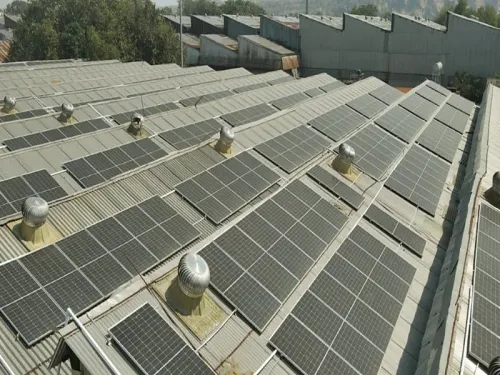
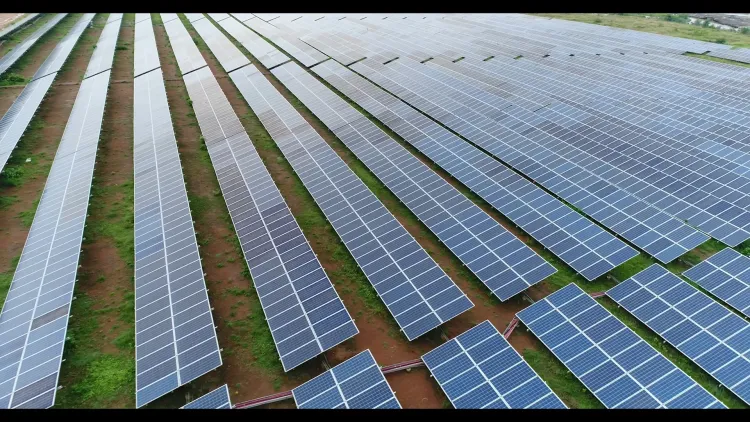
Moreover, solar module production has increased twelve-fold to 120 GW, ensuring self-sufficiency, while cell manufacturing, which was virtually non-existent a decade ago, has achieved 18 GW.
Battery and EV manufacturing are also progressing rapidly. The report concludes that India is set to become a key supplier of electro-tech globally.
Point of View
India's transition towards becoming a global electro-tech manufacturing hub is a significant step forward in achieving energy independence. The emphasis on renewable energy sources sets a precedent that could inspire other nations. This strategic pivot not only enhances India's economic prospects but also addresses global sustainability challenges.
NationPress
28 Sept 2026
Frequently Asked Questions
What is India's goal in the electro-tech sector?
India aims to establish itself as a global leader in electro-tech manufacturing, focusing on renewable energy sources to ensure energy sovereignty.
How much electricity does India plan to generate from solar by 2025?
By 2025, India is projected to generate 9 percent of its electricity from solar energy.
What percentage of car sales in India are electric vehicles?
Electric vehicles are nearing 5 percent of total car sales in India.
How has India's solar module production changed recently?
Solar module production in India has increased twelve-fold to reach 120 GW, ensuring self-sufficiency.
How does India's road oil demand compare to China's?
India's road oil demand is 96 liters per capita, which is half of China's demand at a similar developmental stage.