India Commemorates Iran's Chehlum Ceremony, Showcases Shared Cultural Heritage
Synopsis
On April 12, Minister Pabitra Margherita represented India at Iran's Chehlum ceremony, a significant observance in the Shia tradition. His presence highlights the enduring cultural and civilizational ties between India and Iran, emphasizing solidarity and respect during this time of mourning.
Key Takeaways
Pabitra Margherita represented India at Iran's Chehlum ceremony.
The Chehlum is a significant observance in the Shia tradition.
India and Iran share a long-standing cultural and civilizational bond.
Formal diplomatic relations were established in 1950 .
India continues to cultivate partnerships in trade, energy, and cultural exchanges.
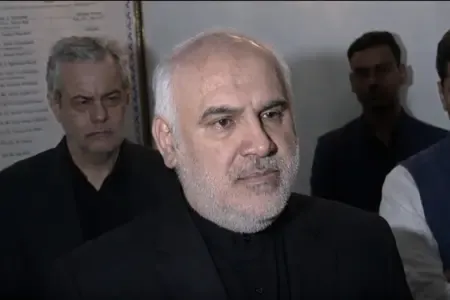
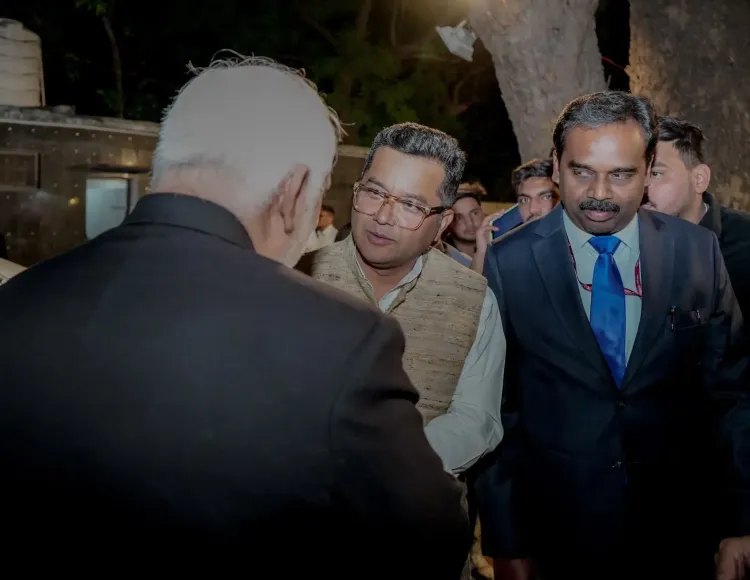
New Delhi, April 12 (NationPress) The Minister of State (MoS) for External Affairs, Pabitra Margherita, expressed profound condolences on behalf of the Union government during the Chehlum ceremony, a 40-day mourning observance, held at the Iranian Embassy in New Delhi on Sunday.
Chehlum, an important event in the Shia faith, symbolizes the 40th day following a death, serving as a period for solemn reflection, prayers, and remembrance.
MoS Margherita's attendance highlighted India’s profound respect for Iran's cultural and religious traditions during this time of sorrow.
According to a statement released on the social media platform X by the Ministry of External Affairs, the historical ties between India and Iran are deeply entrenched in a rich tapestry of civilizational, cultural, and interpersonal connections spanning thousands of years.
The two ancient nations share a wealth of common heritage.
Similarities in language between Sanskrit and Avestan, ancient trade routes connecting the Indus Valley to ancient Persia, along with centuries of cultural interactions in art, architecture, literature, and Sufi traditions, have forged a lasting relationship.
From the influence of Persian culture during the Mughal era to present-day collaborations, this relationship has always been characterized by mutual respect and goodwill.
Formal diplomatic relations between India and Iran were established in 1950, but their ties extend far beyond India's Independence, rooted in millennia of shared history.
Common threads in philosophy, cuisine, music, and festivals continue to fortify these connections even in contemporary times.
The participation of an Indian Minister of State at the Chehlum ceremony signifies New Delhi’s commitment to fostering this historic friendship.
Pabitra Margherita, who took on the role of MoS for External Affairs in June 2024, has been actively working to enhance India's diplomatic engagement.
His presence at the Iranian Embassy conveys a clear message of solidarity and compassion at a delicate time.
Such expressions of condolence and involvement in significant cultural events serve to strengthen the warm and multifaceted partnership between India and Iran.
Both nations continue to collaborate across various domains, including trade, energy, connectivity projects like Chabahar Port, and cultural exchanges.
This solemn attendance underscores India’s longstanding tradition of honoring the cultural and religious practices of its friends and partners worldwide.
Point of View
This event underscores the importance of maintaining strong diplomatic and cultural ties between India and Iran. The participation of a high-ranking official in such ceremonies reflects India's commitment to fostering international friendships and understanding.
NationPress
19 Sept 2026
Frequently Asked Questions
Who represented India at the Chehlum ceremony?
Minister of State for External Affairs, Pabitra Margherita, represented India at the Chehlum ceremony organized by the Iranian Embassy in New Delhi.
What are the historical ties between India and Iran?
India and Iran share deep-rooted historical ties that include linguistic similarities, ancient trade routes, and centuries of cultural exchange in various fields such as art, literature, and philosophy.
When were formal diplomatic relations between India and Iran established?
Formal diplomatic relations between India and Iran were established in 1950.
Why is the participation of an Indian Minister significant?
The participation of an Indian Minister at the Chehlum ceremony signifies India's commitment to nurturing its historic friendship with Iran and respects the cultural and religious practices of its partners.