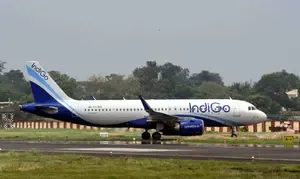
Has IndiGo Received a Tax Penalty of Rs 58.75 Crore Amid Ongoing Crisis?

Synopsis
In light of recent operational disruptions, IndiGo has been hit with a significant tax penalty. This situation has escalated as the airline faces scrutiny from both the government and the Directorate General of Civil Aviation. Discover the full story behind the crisis affecting thousands of travelers.
Key Takeaways
IndiGo has been penalized Rs 58.75 crore for tax issues.
Four flight inspectors were dismissed by the DGCA for negligence.
Hundreds of flights have been canceled, stranding thousands of passengers.
Two oversight teams are now monitoring IndiGo's operations closely.
The situation highlights the need for stricter adherence to safety regulations.
New Delhi, Dec 12 (NationPress) The budget airline IndiGo is facing significant government scrutiny following a series of disruptions that have impacted domestic air travel. As a result, the airline has been issued a tax penalty notice amounting to Rs 58.75 crore for the financial year 2020-21, as reported by the additional commissioner of CGST, Delhi South Commissionerate. This information was disclosed by the airline on Friday.
In a filing to the stock exchange, Interglobe Aviation Ltd, which is the parent company of IndiGo, confirmed receiving the tax penalty order on Thursday, December 11. The order includes a demand for GST alongside the penalty.
In related news, the Directorate General of Civil Aviation (DGCA) has terminated the employment of four flight inspectors who were tasked with overseeing the safety and operational standards of IndiGo.
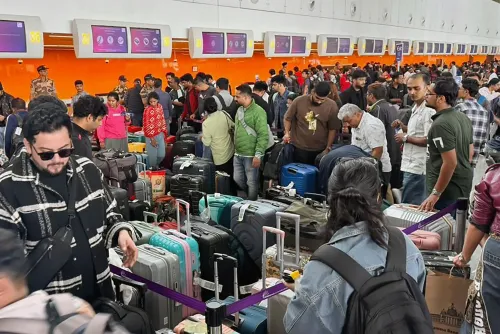
This action comes as the airline grapples with escalating issues, leading to hundreds of flight cancellations this month due to poor planning and a lack of adherence to stricter safety regulations.
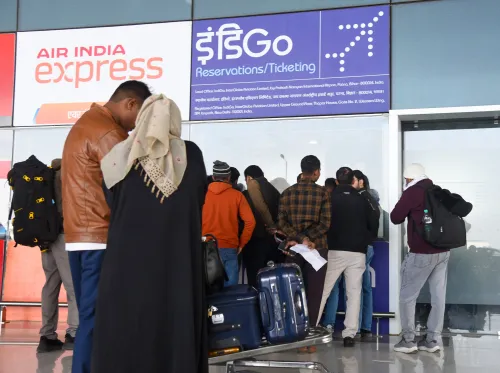
As a consequence, tens of thousands of passengers across the country are currently stranded due to these cancellations.
Sources indicate that the DGCA's decision to dismiss the inspectors was prompted by findings of negligence in their monitoring and inspection duties.
To ensure strict oversight of the airline’s operations, the regulator has positioned two special teams at IndiGo's office in Gurugram.
These teams will submit a daily report to the DGCA by 6 p.m. One team is focused on monitoring IndiGo's fleet size, availability of pilots, crew utilization hours, training schedules, split-duty patterns, unscheduled absences, standby personnel, and the number of flights affected by crew shortages.
To accurately gauge the operational disturbance, the team is also analyzing the airline's average stage length and network.
The second team is dedicated to assessing the impact of the crisis on passengers. This includes checking the status of refunds from the airline and travel agencies, reimbursements as per Civil Aviation Requirements (CAR), punctuality, luggage return, and the overall cancellation status.
Point of View
The situation surrounding IndiGo highlights the intricate balance between airline operations and regulatory oversight. As the airline navigates through this turbulent phase, it is crucial to prioritize passenger safety and satisfaction above all else, ensuring that the airline's reputation is restored.
NationPress
19 Sept 2026
Frequently Asked Questions
What is the tax penalty amount imposed on IndiGo?
IndiGo has received a tax penalty notice amounting to Rs 58.75 crore for the financial year 2020-21.
Why did the DGCA dismiss flight inspectors?
The DGCA dismissed four flight inspectors due to negligence in their monitoring and inspection responsibilities concerning IndiGo's operations.
How many flights have been canceled due to the crisis?
The ongoing issues have led to hundreds of flight cancellations, affecting tens of thousands of passengers.
What measures is DGCA taking to oversee IndiGo?
The DGCA has stationed two special oversight teams at IndiGo's Gurugram office to closely monitor operational standards and passenger impact.
What does the tax penalty include?
The tax penalty includes a GST demand along with the penalty amount.