Is Indore's Water Contamination Crisis Being Properly Investigated?
Synopsis
In a landmark decision, the Madhya Pradesh High Court has established a one-man commission to investigate the water contamination crisis in Indore. This pivotal move aims to address the health hazards faced by residents and ensure accountability among civic authorities. The investigation promises to shed light on the underlying causes and prevent further tragedies.
Key Takeaways
The High Court has initiated an independent investigation into the water contamination crisis in Indore.
Retired Justice Sushil Kumar Gupta will lead the commission responsible for the inquiry.
The investigation aims to uncover the root causes of contamination and establish accountability.
Daily water quality tests and medical camps are mandated by the court.
An interim report is expected within four weeks of the proceedings starting.
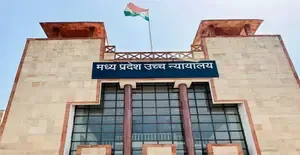
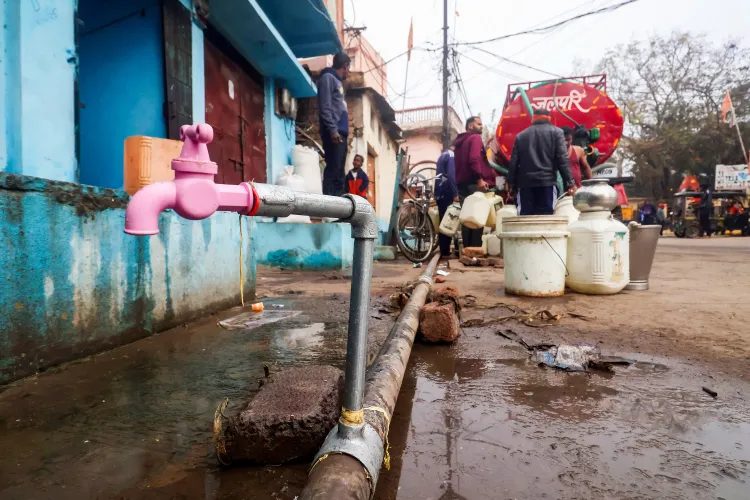
Bhopal/Indore, Jan 28 (NationPress) In a crucial turn of events during the ongoing water contamination emergency in Indore, the High Court of Madhya Pradesh, sitting at its Indore bench, has established a one-man commission to investigate the distressing situation in Bhagirathpura and its wider ramifications.
The directive, issued on Tuesday by Justices Vijay Kumar Shukla and Alok Awasthi, addresses various writ petitions that have been submitted as public interest litigations alongside individual grievances, spotlighting the negligence displayed by municipal authorities which has resulted in extensive health crises and fatalities.
The court examined a death audit report provided by the state, compiled by a panel of medical professionals, which linked 16 out of 23 deaths to the contamination outbreak, while deeming the remaining cases inconclusive.
Petitioners pointed out inconsistencies within the report's explanations, where similar statements were made for both conclusive and inconclusive cases.
Reinforcing the right to life under Article 21 of the Constitution—which includes the right to access clean water—the court declared the necessity of an independent investigation.
Former Justice Sushil Kumar Gupta has been appointed as the head of the commission, with directives to explore the cause of contamination (such as sewage intrusion and pipeline failures), determine the actual death toll, examine the nature of diseases, evaluate medical responses, propose immediate and long-term reforms, establish accountability, and create compensation guidelines for affected individuals, particularly vulnerable populations.
The commission possesses civil court authority to summon witnesses, access records from governmental entities, hospitals, and civic organizations, mandate laboratory testing, and conduct on-site inspections. All related authorities, including the district administration, Indore Municipal Corporation, Public Health Engineering Department, and Madhya Pradesh Pollution Control Board, are required to fully cooperate. The state government is responsible for supplying office facilities, personnel, and logistical support.
The bench raised concerns regarding the foundation of the report, including unexplained 'verbal autopsy' techniques, and noted the lack of supporting documentation. An interim report is expected within four weeks of the proceedings beginning.
Alongside prior directives, the court has mandated daily testing of water quality and continuous medical camps organized by the health department.
The case is scheduled for further examination on March 5.
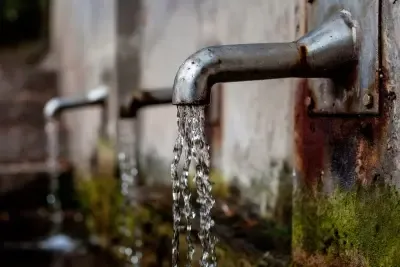
The court unified several petitions, including one from Prabhat Pandey and others, claiming contamination due to sewage mixing, pipeline leaks, and neglect in maintaining drinkable water standards in Ward No 11 of the Indore Municipal Corporation.
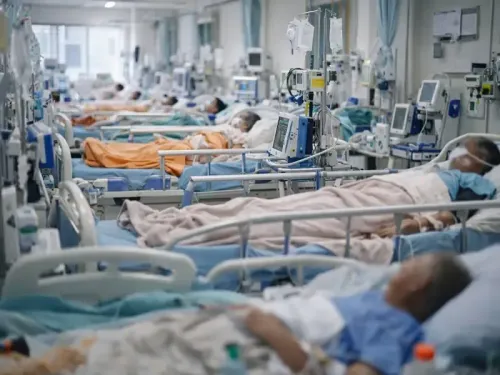
Petitioners contended that such mismanagement triggered an outbreak of water-borne illnesses, disproportionately impacting residents, especially children and the elderly.
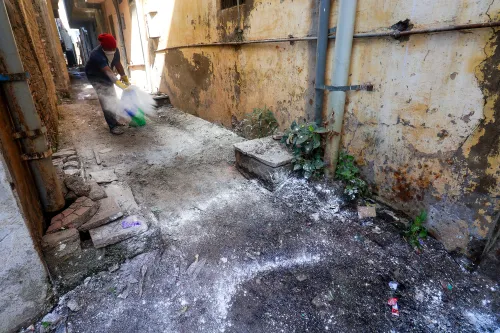
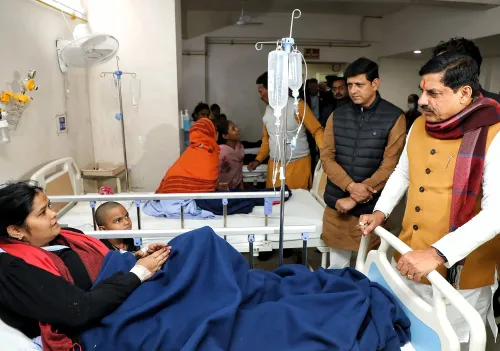
Media reports and images submitted to the court revealed significant health risks, with assertions of up to 30 fatalities connected to the contaminated water supply.
Recalling its previous interim directives from January 6, the bench noted orders for immediate delivery of safe water via tankers, cessation of polluted source usage, health camps, free medical treatment, and water quality evaluations by NABL-accredited labs.
The court had also mandated repairs to pipelines, the establishment of online monitoring systems, chlorination protocols, and a comprehensive long-term water safety strategy for Indore.
Additionally, it called upon the Chief Secretary to provide a report on statewide preventive actions.
Compliance reports from the state government and Indore Municipal Corporation claimed strict adherence, including the formation of a high-level committee to investigate causes, preventive measures, and accountability. However, petitioners vehemently opposed these claims, labeling the committee as a facade to protect negligent officials.
They cited on-the-ground non-compliance with water supply and medical assistance directives, supported by newspaper articles and residents' testimonies. Concerns were raised regarding potential record tampering without an independent investigation.
Point of View
This unfolding situation in Indore highlights the crucial importance of accountability in public health. The High Court's decision to initiate an independent investigation underscores the need for transparency and action in ensuring clean water access for all. As this story develops, it calls upon civic authorities to prioritize public welfare over negligence.
NationPress
30 Sept 2026
Frequently Asked Questions
What is the main issue in Indore?
The primary issue in Indore is the alarming water contamination crisis, which has led to health problems and fatalities among residents.
What action has the High Court taken?
The High Court of Madhya Pradesh has appointed a one-man commission to investigate the water contamination situation and its broader implications.
Who is leading the investigation?
The investigation is headed by retired Justice Sushil Kumar Gupta.
What are the key focuses of the investigation?
The investigation will focus on the causes of contamination, the actual death toll, disease nature, medical response adequacy, and accountability of officials.
When is the next hearing scheduled?
The next hearing is scheduled for March 5.