Iran rejects UAE ballistic missile launch claim, calls accusation 'baseless'
Synopsis
The UAE says two Iranian ballistic missiles struck near and within its waters on Tuesday — Iran says it never happened. Within hours, Abu Dhabi suspended all trade and financial ties with Tehran. In a region already on edge, the exchange marks one of the most direct alleged military provocations between the two Gulf neighbours in years.
Key Takeaways
Iranian Foreign Ministry spokesman Esmaeil Baghaei on 19 August denied Iran launched any missiles toward the UAE .
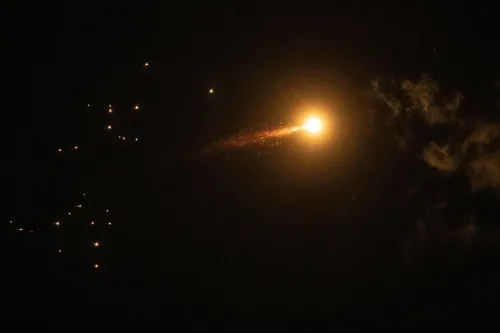
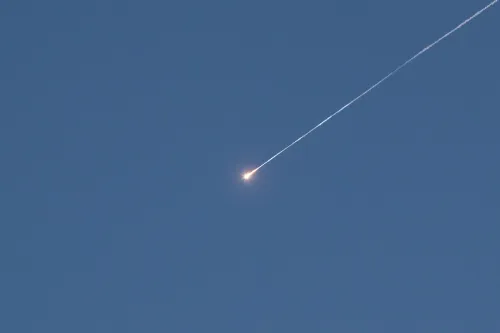
The UAE Ministry of Defence reported detecting two ballistic missiles fired from Iran on Tuesday — one fell outside territorial waters, one within them.
No casualties or material damage were reported in connection with the missiles, according to UAE officials.
The UAE Ministry of Foreign Affairs announced suspension of all trade, commercial, and financial transactions with Iran until further notice.
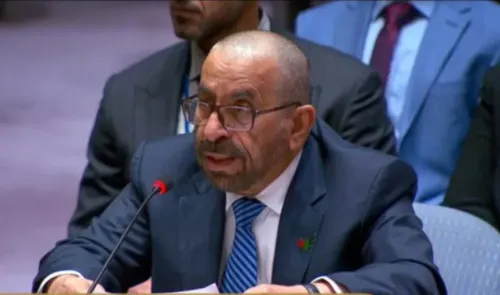
Afra Al Hameli of the UAE foreign ministry linked the suspension to escalating tensions threatening regional and international peace.
Iran called the accusation 'baseless' and urged regional nations to avoid false-flag narratives linked to US and Israeli actions.
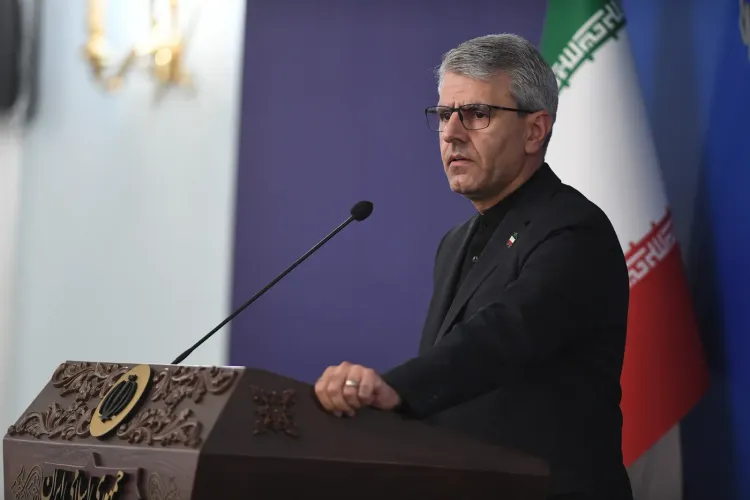
Iranian Foreign Ministry spokesman Esmaeil Baghaei on Wednesday, 19 August flatly denied the United Arab Emirates' assertion that Iran had launched ballistic missiles toward the country, calling the accusation contrary to the principles of good neighbourliness and regional trust-building. The rejection came a day after the UAE said it had detected two ballistic missiles fired from Iranian territory on Tuesday.
Iran's Denial and Diplomatic Pushback
Baghaei expressed regret over what he described as an unfounded allegation, warning that such accusations undermine ongoing efforts to reduce tensions across West Asia. He urged all regional nations to refrain from levelling 'baseless' charges against Iran, citing what he called 'existing complications owing to the continued malicious acts by the United States and Israel against peace and security in the region, especially the history of numerous false-flag operations.'
The spokesman's remarks reflect Tehran's broader posture of denying involvement in regional incidents while framing accusations as part of a Western and Israeli-led pressure campaign — a pattern seen repeatedly in recent years.
What the UAE Reported
According to the UAE Ministry of Defence, the first missile fell outside the country's territorial waters while the second landed within them. The ministry confirmed the country remained on 'high alert and fully prepared to deal with any threats.' Officials noted the missiles appeared to be targeting maritime traffic; no casualties or material damage had been reported as of the ministry's statement.
The incident marks a significant escalation in the Persian Gulf, a waterway that handles a substantial share of global oil shipments. Notably, this is one of the most direct alleged military provocations involving the UAE and Iran in recent memory.
UAE Suspends Trade and Financial Ties with Iran
In a statement posted on social media platform X early Wednesday, the UAE Ministry of Foreign Affairs announced the suspension of all trade, commercial exchanges, and financial transactions with Iran until further notice. Afra Al Hameli, Director of the ministry's strategic communications department, said the decision was taken amid escalating tensions that 'undermine regional and international peace and security.'
The UAE-Iran trade relationship, while strained at various points, has historically remained active through Dubai's role as a re-export hub. A full suspension, if sustained, would have measurable consequences for Iranian businesses that route commerce through Emirati ports.
Regional Implications and What Comes Next
The exchange of accusations arrives against a backdrop of heightened volatility across West Asia, with ongoing conflict in Gaza and persistent tensions between Iran and Israel keeping the region on edge. The UAE's move to suspend trade signals a sharp diplomatic rupture that could complicate any near-term de-escalation.
The UAE reiterated its commitment to dialogue and regional cooperation as the preferred path forward, but the simultaneous economic suspension suggests Abu Dhabi is prepared to apply pressure while keeping diplomatic doors nominally open. How Tehran responds in the coming days will be closely watched by Gulf Cooperation Council members and international stakeholders alike.
Point of View
But the UAE's response is anything but routine. Suspending all trade — not merely lodging a diplomatic protest — signals that Abu Dhabi assessed the threat as serious enough to absorb real economic costs. The UAE has historically kept commerce with Iran insulated from political friction; abandoning that buffer is a significant escalation in itself. What remains unresolved is verification: without independent confirmation of the missile origin, the incident risks hardening into a competing-narratives standoff, precisely the kind that has repeatedly derailed Gulf de-escalation efforts. The next pressure point will be whether Gulf Cooperation Council partners and international bodies call for an independent inquiry — or quietly let the episode recede.
NationPress
3 Oct 2026
Frequently Asked Questions
What did the UAE claim happened on Tuesday, 19 August?
The UAE Ministry of Defence said it detected two ballistic missiles launched from Iran on Tuesday. The first missile fell outside UAE territorial waters and the second landed within them; no casualties or damage were reported.
Why did Iran reject the UAE's accusation?
Iranian Foreign Ministry spokesman Esmaeil Baghaei called the allegation 'baseless' and said it contradicts the principle of good neighbourliness. He urged regional countries to avoid such accusations, framing them as part of a broader pattern of false-flag operations linked to US and Israeli actions in the region.
What action did the UAE take in response to the missile incident?
The UAE Ministry of Foreign Affairs announced the suspension of all trade, commercial exchanges, and financial transactions with Iran until further notice. The decision was posted on social media platform X early Wednesday and attributed to escalating tensions threatening regional peace and security.
Were there any casualties or damage from the alleged missile strikes?
According to UAE officials, no casualties or material damage had been reported as of their statements. The missiles were said to be targeting maritime traffic in the area.
What is the broader significance of this incident for the Gulf region?
The incident is one of the most direct alleged military provocations between Iran and the UAE in recent memory, occurring amid heightened tensions across West Asia. The UAE's trade suspension, if sustained, could disrupt Iranian commerce routed through Dubai and further strain Gulf diplomatic relations.