Iran mass rallies pledge loyalty to new Supreme Leader Mojtaba Khamenei
Synopsis
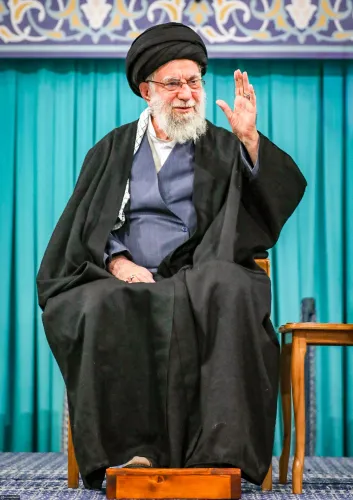
For the first time since a ceasefire ended a 40-day war, tens of thousands of Iranians took to the streets to publicly endorse their new Supreme Leader Mojtaba Khamenei — a carefully orchestrated show of unity by a government still absorbing the shock of losing Ali Khamenei and senior commanders to reported US-Israeli strikes in February.
Key Takeaways
Tens of thousands marched in coordinated rallies across Iran on 30 April , pledging allegiance to new Supreme Leader Mojtaba Khamenei .
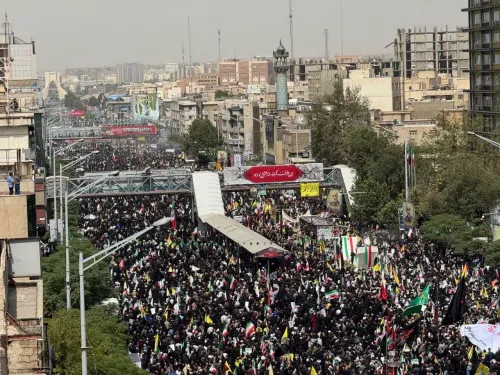
The Tehran march ran from Imam Hossein Square to Azadi Square , with officials including Mayor Alireza Zakani joining the crowd.
Former Supreme Leader Ali Khamenei was reportedly killed in a US and Israeli attack on 28 February , along with senior commanders and civilians.
A ceasefire between Iran and the US-Israel coalition was reportedly reached on 8 April , ending a 40-day war .
Iran's Kheibarshekan missile and Shahed 136 drone were displayed at the Tehran rally in a public show of military capability.
A pavilion commemorated victims of an alleged attack on a school in Minab on the war's first day.
Tens of thousands of Iranians marched in coordinated mass rallies across multiple cities on Wednesday, 30 April, pledging allegiance to new Supreme Leader Mojtaba Khamenei and demonstrating national unity following a devastating conflict that reshaped the country's political leadership. The rallies, timed to coincide with the birthday anniversary of Imam Reza, the eighth Imam of Shiite Muslims, ran from 4:00 pm to 9:00 pm local time (12:30–17:00 GMT), according to reports from Xinhua news agency.
Rallies Across Iran
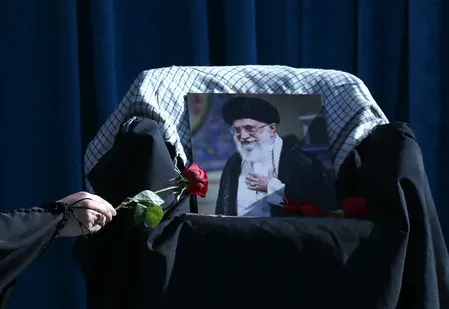
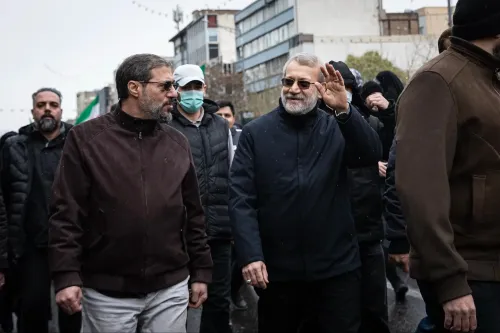
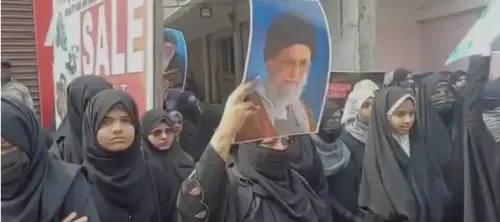
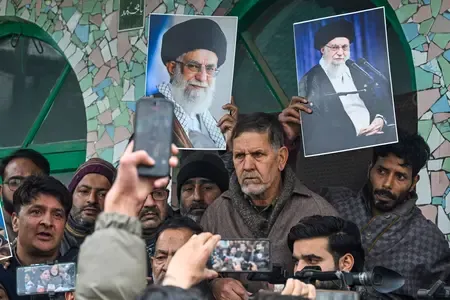
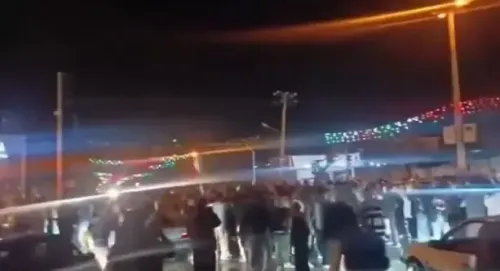
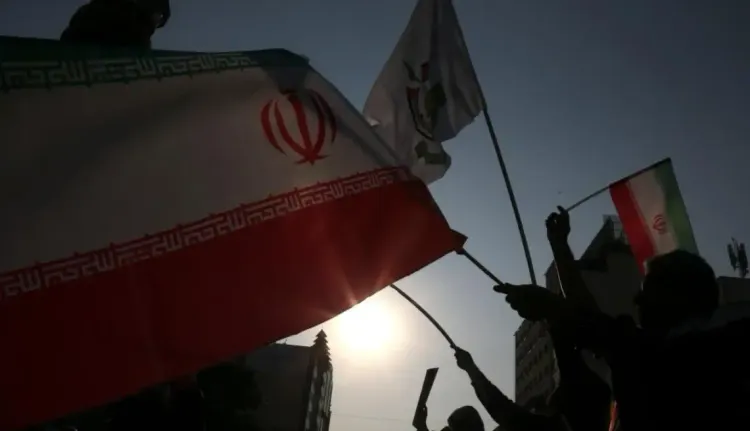
In the capital Tehran, demonstrators marched from Imam Hossein Square to Azadi Square, waving Iranian flags and carrying photographs of both the late Supreme Leader Ali Khamenei — reportedly killed in a US and Israeli attack in late February — and the newly installed Supreme Leader Mojtaba Khamenei. Similar processions were held concurrently in cities across the country, underscoring the government's push to project a unified national front.
Officials Join the Crowd
Several senior officials participated in the Tehran march, including Tehran Mayor Alireza Zakani and Iran's Constitutional Council spokesman Hadi Tahan Naizf. Participants chanted slogans against the United States and Israel while voicing support for Iran's Islamic establishment and emphasising the importance of national cohesion at what officials described as a critical juncture for the country.
Commemorating War Victims
A dedicated pavilion was erected along the march route in Tehran to commemorate those killed in what Iranian authorities described as a US and Israeli attack on a school in the southern city of Minab — said to have occurred on the first day of a 40-day war against Iran. Iran's domestically developed Kheibarshekan ballistic missile and Shahed 136 drone were also put on public display during the rally, in what appeared to be a show of military capability.
Background: The February Conflict and Ceasefire
According to Iranian state accounts and Xinhua reporting, on 28 February, Israel and the United States launched joint strikes on Tehran and other Iranian cities, reportedly killing then-Supreme Leader Ali Khamenei, senior military commanders, and civilians. Iran responded with successive waves of missile and drone strikes targeting Israeli territory and US assets across the Middle East. A ceasefire between the parties was reportedly achieved on 8 April. The Wednesday rallies mark the first major public show of mass allegiance since the ceasefire took hold.
What Comes Next
The rallies signal that Iran's new leadership under Mojtaba Khamenei is prioritising public legitimacy and domestic consolidation in the post-war period. Analysts will be watching whether this show of unity translates into political stability or whether internal fissures — inevitable after the sudden loss of senior leadership — surface in the weeks ahead.
Point of View
Or whether the speed of succession has left legitimacy gaps that adversaries — and domestic reformists — may seek to exploit.
NationPress
15 Sept 2026
Frequently Asked Questions
Who is Iran's new Supreme Leader Mojtaba Khamenei?
Mojtaba Khamenei is the newly installed Supreme Leader of Iran, succeeding Ali Khamenei, who was reportedly killed in a US and Israeli attack in late February. The Wednesday rallies on 30 April marked the first major public show of mass allegiance to his leadership.
What happened to former Supreme Leader Ali Khamenei?
According to Iranian state accounts and Xinhua reporting, Ali Khamenei was killed on 28 February during joint US and Israeli strikes on Tehran and other Iranian cities. Senior military commanders and civilians were also reportedly killed in the same attacks.
What was the 40-day war between Iran and the US and Israel?
The 40-day war refers to the conflict that began on 28 February with reported US and Israeli strikes on Iran, to which Iran responded with missile and drone attacks on Israeli territory and US assets in the Middle East. A ceasefire was reportedly reached on 8 April.
Why were the rallies held on 30 April?
The rallies were timed to coincide with the birthday anniversary of Imam Reza, the eighth Imam of Shiite Muslims, lending religious significance to the public pledge of allegiance to the new Supreme Leader and the demonstration of national unity.
What weapons did Iran display at the Tehran rally?
Iran put its domestically developed Kheibarshekan ballistic missile and Shahed 136 drone on public display during the Tehran march, in what appeared to be a deliberate show of military capability in the post-ceasefire period.