Kashmir terror groups: ISI may revive dormant outfits, officials say
Synopsis
The ISI may turn to dormant groups in Jammu and Kashmir after scrutiny of Lashkar and Jaish proxies, officials say. Data cited in the source lists 19 inactive outfits, but does not establish that any has resumed operations.
Key Takeaways
Officials said the ISI may seek to revive dormant terror groups in Jammu and Kashmir .
According to data cited in the source, 10 groups are active and 19 are inactive in the region.
The Resistance Front is described as a proxy of Lashkar-e-Taiba , while PAFF is linked to Jaish-e-Mohammed .
The inactive groups named include the Kashmir Jehad Force and Tehrik-e-Jihad .
The source describes the recent killing of Lateef Bhat , a Lashkar commander, as a setback that could delay the reported plans.
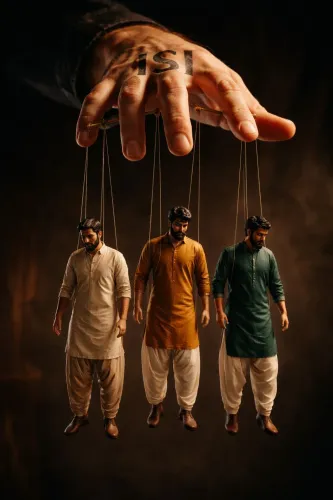
Pakistan's ISI may seek to revive dormant terror groups in Jammu and Kashmir after scrutiny of proxy outfits linked to Lashkar-e-Taiba and Jaish-e-Mohammed, officials said in reports dated 24 November. An official said the intelligence agency had advised the groups to contact members of outfits that are no longer active in the Valley.
An Intelligence Bureau official said the proposed shift could involve finding former members and encouraging them to identify potential recruits. The officials described a possible change in strategy; the source did not establish that any dormant group had already resumed operations.
Scrutiny of proxy outfits
The Resistance Front (TRF) is described as a proxy of Lashkar-e-Taiba (LeT) in Jammu and Kashmir. Jaish-e-Mohammed (JeM) is linked to proxies including the People's Anti-Fascist Front (PAFF), Kashmir Tigers (KT) and Lashkar-e-Mustafa.
Over the past couple of years, the Jammu and Kashmir Police, the National Investigation Agency (NIA) and other Indian agencies have investigated these outfits. The source says investigators have produced material linking the proxy names to LeT and JeM.
According to an official, the exposure of that proxy strategy has prompted the ISI to advise the groups to contact members of inactive outfits. An Intelligence Bureau official said the agency was likely to move away from the proxy approach for the time being while seeking out those former members.
Dormant groups and their history
According to data cited in the source, 10 groups are active in Jammu and Kashmir, while 19 are inactive. The source did not specify the date or methodology of that count.
The inactive organisations include the Kashmir Jehad Force (KJF) and Tehrik-e-Jihad (TeJ). An official said many such groups were formed in the 1990s and early 2000s, before becoming defunct as the ISI prioritised organisations including JeM, Hizbul Mujahideen and LeT.
The official said some groups ran out of funds, while the security forces neutralised operatives of others. The source describes many of the inactive outfits as homegrown rather than based in Pakistan.
Recruitment and operational concerns
The Intelligence Bureau official said former members could be asked to seek potential recruits and revive their organisations. The official said the absence of a direct link to existing outfits could help conceal connections when investigators examine an attack.
According to the officials' assessment, some former members are now older but could be approached for their recruitment and logistics experience. The source also says the proposed approach would focus on local people and young recruits.
An official said Pakistan was looking to increase infiltration efforts from multiple fronts into Jammu and Kashmir. The source says revived groups could potentially be used for both activities on the ground and disinformation and propaganda.
Effect of Lateef Bhat's killing
The source identifies the recent killing of Lateef Bhat, a Lashkar commander, as a major setback for the ISI's operations. It suggests the killing could delay the reported revival plans for some time, although it provides no date or further details of the incident.
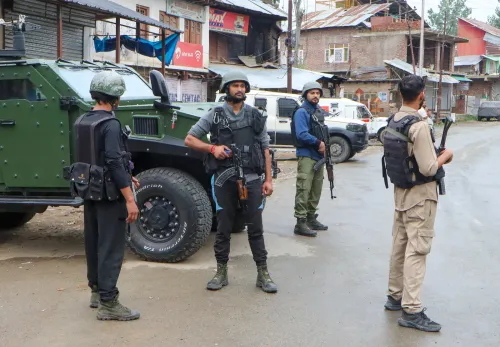
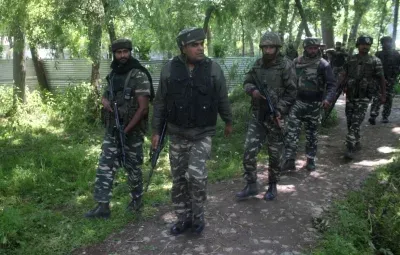
Officials have warned that any revival could add to the demands on security agencies in Jammu and Kashmir. Whether dormant outfits are reactivated, and how the reported plans develop, remains to be seen.
Frequently Asked Questions
What are officials saying about dormant terror groups in Kashmir?
Officials say the ISI may seek to revive inactive groups in Jammu and Kashmir after scrutiny of existing proxy outfits. The source does not establish that any dormant group has already resumed operations.
How many terror groups are inactive in Jammu and Kashmir?
Data cited in the source counts 19 inactive groups and 10 active groups in Jammu and Kashmir. The date and methodology of the count were not specified.
Which proxy outfits are linked to Lashkar and Jaish?
The Resistance Front is described as a Lashkar-e-Taiba proxy, while the People's Anti-Fascist Front, Kashmir Tigers and Lashkar-e-Mustafa are linked to Jaish-e-Mohammed.
Why does the reported strategy matter for security agencies?
An Intelligence Bureau official said using revived groups without direct links to existing outfits could make connections harder to trace during investigations. The source also raises concerns about recruitment, ground activity and propaganda.
What could happen next after Lateef Bhat's killing?
The source suggests that the killing of Lashkar commander Lateef Bhat could delay the reported revival plans. It does not provide a timeline for any future action.