Lashkar revives Kashmir proxy strategy: Pistols, civilians, and The Resistance Front
Synopsis
Intelligence agencies say Lashkar-e-Tayiba is not improvising — it is executing a deliberate revival plan. Two attacks in ten days, a new proxy name, pistols instead of AK-47s, and recruits with clean records: every element is designed to maximise civilian impact while minimising the trail back to LeT. The outfit’s operative Latif is at the centre of it all, and agencies believe more low-intensity strikes across South Kashmir are imminent.
Key Takeaways
Two terror attacks in Anantnag and Kulgam within ten days are attributed to Lashkar-e-Tayiba via its proxy The Resistance Front .
LeT operative Latif , a close associate of slain commander Zakir Ganai , is being probed for his role in both strikes.
LeT is using a new cover name — United Liberation Council — to divert attention from The Resistance Front.
Operatives have been instructed to carry pistols instead of AK-47s for easier concealment.
LeT is recruiting individuals with no criminal records for single-use attacks to evade tracking.
Primary targets include migrant workers , Kashmiri Pandits , minorities, and local police personnel — civilians in areas with lighter security presence.
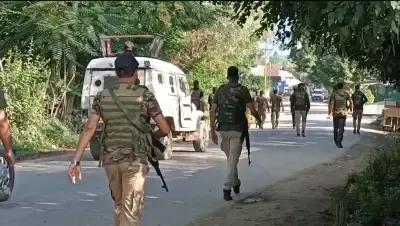
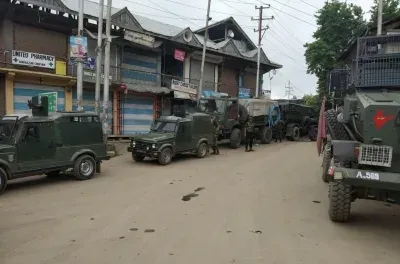
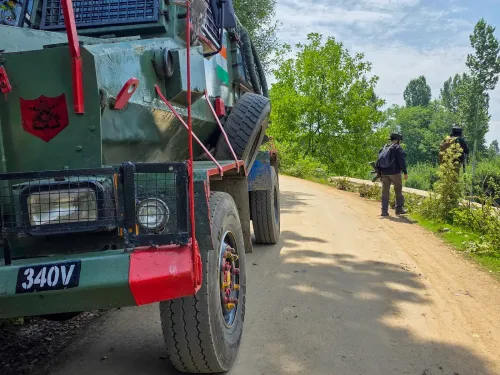
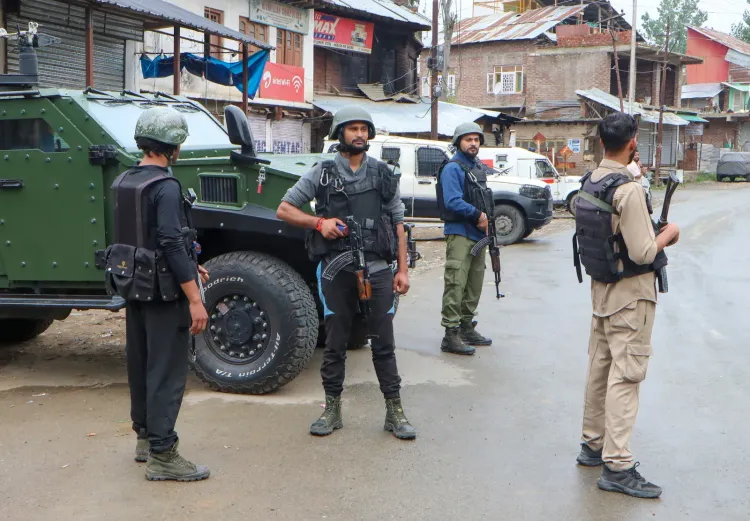
Intelligence agencies have concluded that Lashkar-e-Tayiba (LeT) is systematically reviving its old Kashmir playbook — deploying proxies, arming operatives with concealable pistols, and deliberately targeting civilians — following two terror attacks in Jammu and Kashmir within a span of ten days. Both the attack at Anantnag and the subsequent strike at Kulgam are, according to officials, the handiwork of LeT's proxy outfit The Resistance Front (TRF).
The Attacks and the Pattern
The two attacks, separated by just over a week, share a clear operational signature, officials say. The Kulgam attack targeted migrant workers — a deliberate callback to an earlier LeT tactic of singling out non-locals to instil fear and drive them out of Jammu and Kashmir. Notably, the Kulgam strike occurred just two days after terrorist-backed channels circulated threat messages and hit lists naming Kashmiri Pandits, minorities, and migrant workers.
Security officials stress these are not isolated incidents. “They clearly have a pattern to it,” an official said, pointing to the coordinated timing and target selection as evidence of a deliberate strategic shift by LeT.
The Operative Named Latif
Agencies are closely probing the role of a Lashkar-e-Tayiba operative identified only as Latif in both attacks. According to investigators, Latif had previously worked alongside LeT commander Zakir Ganai, carrying out strikes in Anantnag, Shopian, and Kulgam. Ganai was subsequently killed in a security forces operation at Kulgam, but Latif evaded capture.
An Intelligence Bureau official said Latif conducted these attacks to signal that his network remains active and relevant in the Valley. He is reportedly maintaining a low profile to avoid detection while planning a series of low-intensity hit-and-run strikes across South Kashmir.
The Cover Name and Diversion Tactics
Following the Anantnag attack, a social media post attributed responsibility to a previously unknown group called the United Liberation Council. Investigators, however, dismissed this as a deliberate attempt by LeT to divert attention from The Resistance Front and distance itself from the attacks. Officials say LeT is now actively pushing new proxy names so that scrutiny stays away from TRF, which has drawn significant counter-terror attention in recent years.
Pistols Over AK-47s: The New Operational Doctrine
A significant tactical shift has also been observed in LeT's weapons strategy. According to officials, the outfit has instructed its operatives to carry pistols rather than the AK-47 — traditionally the weapon of choice. Pistols are easier to conceal and attract less scrutiny, making it harder for security agencies to intercept operatives before an attack.
Compounding this challenge is a new recruitment model. LeT is reportedly scouting for individuals with no prior criminal records, deploying them for a single attack before they disappear from the radar. Officials say this ‘one-and-done’ approach is designed to create confusion and make tracking extremely difficult.
Civilians and Security Personnel in the Crosshairs
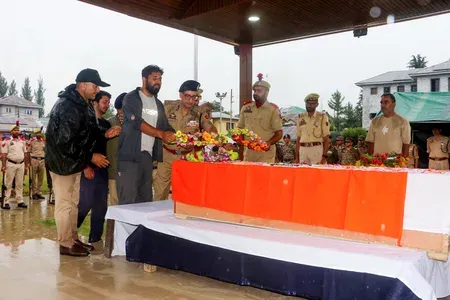
While civilians — particularly non-locals and minorities — are the primary targets, officials confirm that security personnel are also in LeT’s sights. In the Anantnag attack, Head Constable Hussain, 35, a resident of Budgam district, was killed while guarding the Amarnath Yatra. His killing fits a long-standing LeT pattern of targeting local Kashmiris who join the police or paramilitary forces — individuals the outfit has repeatedly warned to abandon their posts.
Officials say the overarching aim is to make a large psychological impact through a sustained series of low-profile strikes, exploiting gaps in civilian security coverage rather than attempting to breach heavily fortified installations or Army camps. With LeT’s recruitment drive reportedly gaining momentum off the back of these attacks, security agencies are bracing for further incidents across South Kashmir.
Point of View
So it is going after migrant labourers and pilgrimage guards. The pivot to pistols and clean-record recruits signals that the outfit has internalised its tactical limitations. The more troubling question is whether India’s counter-terror architecture, built around detecting known operatives and heavy weapons, is adequately configured to intercept a model designed around anonymity and disposability. The cover-name game — United Liberation Council today, something else tomorrow — also suggests a deliberate effort to fragment the intelligence picture. Agencies that have successfully neutralised TRF’s brand recognition may find themselves starting over with each new alias.
NationPress
15 Sept 2026
Frequently Asked Questions
What is The Resistance Front and its link to Lashkar-e-Tayiba?
The Resistance Front (TRF) is a proxy outfit of Lashkar-e-Tayiba, used to carry out attacks in Jammu and Kashmir while providing LeT a degree of deniability. Intelligence agencies have attributed both the recent Anantnag and Kulgam attacks to TRF acting on LeT’s direction.
Who is the operative Latif and why are agencies focusing on him?
Latif is a Lashkar-e-Tayiba operative who worked closely with LeT commander Zakir Ganai and is believed to have carried out strikes in Anantnag, Shopian, and Kulgam. After Ganai was killed in a security operation, Latif evaded capture and is now reportedly planning further low-intensity strikes across South Kashmir.
Why is Lashkar-e-Tayiba targeting migrant workers and minorities?
According to officials, targeting non-locals and minorities is a deliberate revival of an older LeT tactic aimed at instilling fear and forcing these communities to leave Jammu and Kashmir. The Kulgam attack on migrant workers fits this established pattern, which also extends to Kashmiri Pandits and local police personnel.
Why has Lashkar-e-Tayiba switched from AK-47s to pistols?
Officials say LeT has instructed its operatives to use pistols because they are easier to conceal and draw less scrutiny from security forces. This tactical shift is part of a broader move toward low-profile, hard-to-detect attacks in areas with lighter security coverage.
What is the United Liberation Council and is it a new terror group?
The United Liberation Council is not a new independent group — investigators say it is a cover name used by Lashkar-e-Tayiba to divert attention after the Anantnag attack. A social media post claiming the ULC was responsible has been dismissed by agencies as a deliberate diversion tactic by LeT.