Lashkar-e-Taiba's slow-burn radicalisation push in J&K: Infiltration bid of 30-40 terrorists follows
Synopsis
Lashkar-e-Taiba is not rushing — and that is precisely what makes its latest J&K push alarming. The ISI-backed slow-burn radicalisation model, built on family contacts and a self-replicating recruit chain, is running alongside a plan to push 30-40 militants across the LoC for an attack reportedly designed to rival Pahalgam or Pulwama in scale.
Key Takeaways
Lashkar-e-Taiba and the ISI have set up dedicated radicalisation units in Pakistan and PoK , staffed by youth who previously exfiltrated from Jammu and Kashmir .
The strategy is deliberately incremental: radicalise a small group first, then task them with recruiting more, building a homegrown module.
The SIA recently identified five persons — including two women — in contact with handlers in Pakistan and PoK , with radicalisation attempts confirmed.
Intelligence indicates 30 to 40 terrorists are positioned at launchpads in PoK , ready to infiltrate and lie low in forest cover before executing a mass-casualty attack.
The planned strike is reportedly intended to target Kashmiri Pandits and migrant workers to inflame communal tensions, on the scale of the Pahalgam or Pulwama attacks.
The NIA and SIA have intensified counter-terror and counter-radicalisation operations in response.
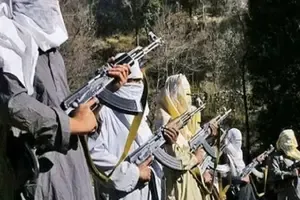
Lashkar-e-Taiba (LeT) has launched a calculated, long-term radicalisation campaign targeting youth across Jammu and Kashmir, with Indian intelligence agencies picking up intercepts pointing to a structured effort coordinated from Pakistan and Pakistan-occupied Kashmir (PoK), according to officials. The development has prompted both the National Investigation Agency (NIA) and the State Investigation Agency (SIA) to intensify counter-terror and counter-radicalisation operations across the region.
How the Radicalisation Network Operates
According to officials, Lashkar-e-Taiba and Pakistan's Inter-Services Intelligence (ISI) have established dedicated units — staffed largely by youth who previously exfiltrated into Pakistan and PoK — and tasked them with identifying and radicalising a select group of individuals inside Jammu and Kashmir. These operatives are reportedly exploiting family ties, using relatives still residing in the Valley as contact points to locate susceptible targets.
The design is deliberately slow and incremental. Officials say the ISI has specifically instructed LeT to adopt a measured approach — first radicalising a small cohort, then directing those individuals to recruit further, creating a self-replicating homegrown module. 'The intention is to first radicalise a handful of people and then ask the same persons to identify more people,' an official said.
SIA Identifies Five Suspects, Including Two Women
In a recent operation, the SIA identified five persons — including two women — who were found to be in active contact with handlers based in Pakistan and PoK. Investigators determined that attempts were under way to radicalise these individuals. The arrests are seen as an early indicator of how far the network's reach has extended into civilian circles, including demographics not traditionally associated with militancy.
Officials note that radicalisation poses a more complex security challenge than conventional terrorism. A large base of radicalised individuals, they warn, eventually fuels acts of terror while providing logistical and social cover — making detection and interdiction significantly harder than tracking armed militants.
Fresh Infiltration Bid: 30-40 Terrorists at Launchpads
Simultaneously, intelligence assessments indicate that the ISI is preparing to push 30 to 40 terrorists currently positioned at launchpads in PoK across the Line of Control into Jammu and Kashmir. Once across, these militants are reportedly instructed to take cover in dense forest cover and remain dormant until ordered to execute a large-scale strike.
Officials warn that the planned attack is being calibrated to match the scale of the Pahalgam or Pulwama incidents. The specific brief to the infiltrating group is reportedly to target Kashmiri Pandits and migrant workers, with the broader aim of sowing communal discord and disrupting social harmony in the region.
Agencies' Response and Broader Context
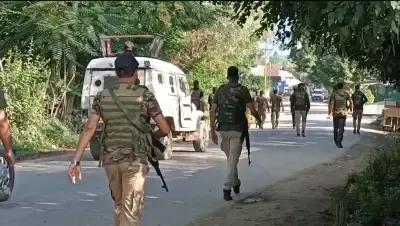
This comes amid a period in which security forces had recorded a measurable decline in both radicalisation and active terrorism in the Valley. Officials say they are 'leaving no stone unturned' to prevent a reversal. The NIA and SIA have ramped up surveillance, source networks, and legal action against individuals found to be in contact with Pakistan-based handlers.
Notably, the current drive represents at least the third documented attempt by Lashkar-e-Taiba to rebuild its grassroots presence in Jammu and Kashmir following successive dismantling operations by Indian security forces. Counter-terror officials say the slow-burn strategy reflects a tactical adaptation — moving away from high-visibility infiltration toward quieter ideological mobilisation that is harder to detect and prosecute.
With infiltration bids escalating and a homegrown radicalisation module reportedly taking shape, security agencies face a dual-front challenge that will test both intelligence capability and community outreach in the weeks ahead.
Point of View
But because the legal and intelligence thresholds for early intervention are far harder to meet when no weapon has changed hands. The SIA's detection of two women in the current network signals that LeT is deliberately broadening its demographic profile to avoid pattern-based profiling. More critically, if the 30-to-40 infiltrator estimate is accurate, the real danger is not the infiltration itself — forests have absorbed militants before — but what happens when a dormant armed group makes contact with a pre-radicalised civilian base. That convergence, not any single incident, is the scenario agencies must work hardest to prevent.
NationPress
14 Sept 2026
Frequently Asked Questions
What is Lashkar-e-Taiba's new radicalisation strategy in Jammu and Kashmir?
Lashkar-e-Taiba, backed by Pakistan's ISI, is running a slow-burn radicalisation campaign in Jammu and Kashmir, using dedicated units based in Pakistan and PoK to identify and recruit a small cohort of youth, who are then tasked with recruiting more — building a self-sustaining homegrown module. The strategy deliberately avoids speed to evade early detection by security agencies.
Who has the SIA arrested or identified in connection with this radicalisation drive?
The SIA recently identified five persons — including two women — found to be in active contact with handlers in Pakistan and PoK, with confirmed attempts to radicalise them. The operation underscores that the network extends beyond traditional militant profiles to include women and civilians with family ties across the Line of Control.
What is the reported infiltration plan by the ISI?
Intelligence assessments indicate that 30 to 40 militants are currently positioned at launchpads in Pakistan-occupied Kashmir, awaiting orders to cross the Line of Control into Jammu and Kashmir. Once across, they are instructed to take cover in dense forests and remain inactive until directed to carry out a large-scale attack.
Who are the intended targets of the planned attack?
According to intelligence officials, the brief given to the infiltrating group is to target Kashmiri Pandits and migrant workers, with the aim of stoking communal tensions and disrupting social harmony in Jammu and Kashmir. The attack is reportedly being planned on the scale of the Pahalgam or Pulwama incidents.
How are Indian agencies responding to the threat?
Both the National Investigation Agency (NIA) and the State Investigation Agency (SIA) have stepped up counter-terror and counter-radicalisation operations across Jammu and Kashmir. Officials say surveillance, source networks, and legal action against individuals in contact with Pakistan-based handlers have all been intensified.