Disha Bill withdrawal a 'black day for women': Jagan slams Chandrababu

Synopsis
The Chandrababu Naidu cabinet's decision to withdraw the Andhra Pradesh Disha Bill has triggered a fierce political battle, with Jagan Mohan Reddy citing a 27% drop in crimes against women and 31,607 resolved SOS calls as proof that a working safety system is being dismantled — not reformed. The real question is whether the promised revised Bill will preserve Disha's grassroots infrastructure or quietly bury it.
Key Takeaways
The Andhra Pradesh Cabinet , chaired by Chief Minister N.
Chandrababu Naidu , decided on Thursday to withdraw the Disha Bill (AP Amendment) Bill, 2019 .
The Ministry of Home Affairs had sought clarifications and advised the state to submit a revised Bill incorporating Centre's recommendations.
Former CM Jagan Mohan Reddy called the withdrawal a 'black day for women,' alleging it was driven by political jealousy.
Under the Disha framework, crimes against women reportedly fell by 27 per cent , with annual cases dropping from 14,338 to 10,426 by May 2024 .
The Disha App was downloaded by more than 1.51 crore people; police resolved 31,607 emergency calls through it during the YSRCP tenure.
YSRCP has demanded the Cabinet reverse its decision and strengthen the Disha system rather than dismantle it.
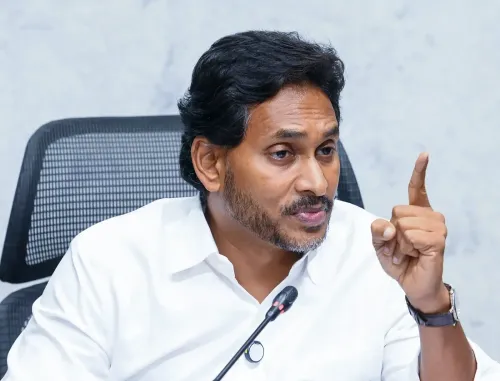
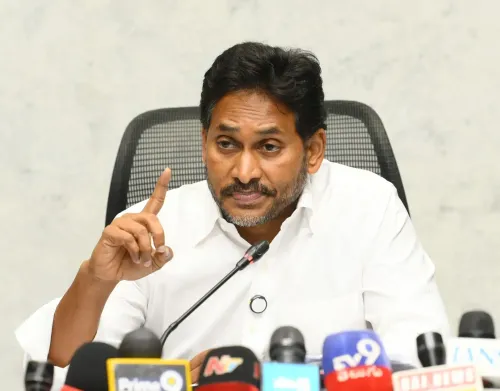
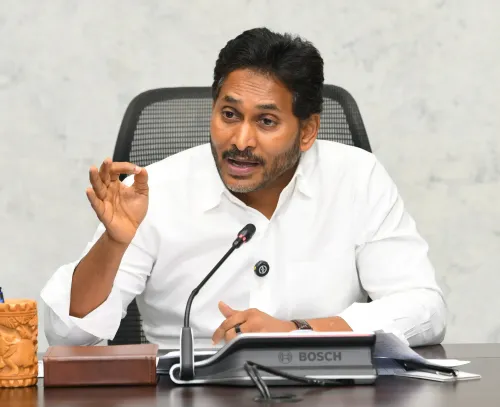
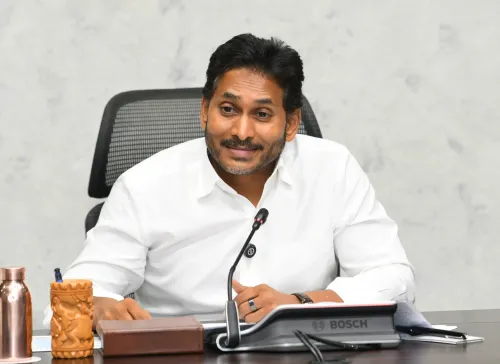
Former Andhra Pradesh Chief Minister Y. S. Jagan Mohan Reddy on Friday, 7 August launched a sharp attack on the Chandrababu Naidu-led government for withdrawing the Andhra Pradesh Disha Bill — Criminal Law (AP Amendment) Bill, 2019, calling it a 'black day for women and children of Andhra Pradesh.' The YSR Congress Party (YSRCP) chief accused the ruling coalition of dismantling a proven safety framework out of political jealousy.
Why the Disha Bill Was Withdrawn
The State Cabinet, at a meeting chaired by Chief Minister N. Chandrababu Naidu on Thursday, resolved to withdraw the Disha Bill. According to the state government, the Ministry of Home Affairs had reviewed the legislation, sought clarifications on several provisions, and advised the state to withdraw the existing Bill and submit a revised version incorporating the Centre's recommendations. The Bill had earlier been sent to the President for assent.
What Jagan Said
In a post on social media, Jagan Mohan Reddy said the YSRCP government had introduced Disha as a targeted response to rising crimes against women and children, delays in investigation, and prolonged judicial processes. He described it as 'a comprehensive system that not only aimed to prevent crime but also ensured an immediate police response, protection for victims, time-bound investigation, scientific collection of forensic evidence, prompt filing of charge sheets and speedy justice through dedicated courts.'
Reddy also challenged the Naidu government's claim that the Bharatiya Nyaya Sanhita (BNS) was sufficient to replace Disha. 'How can the BNS replace a specialised system that includes an SOS emergency response mechanism, dedicated women's police stations, Women Police personnel from the village level, exclusive patrolling units, a sexual offenders' database, an advanced forensic system, specialised prosecution, dedicated courts and a framework aimed at ensuring time-bound investigation and speedy justice for women?' he asked.
Disha's Track Record, as Cited by Jagan
The former Chief Minister cited a series of figures to argue that the Disha framework had delivered measurable results during the YSRCP tenure. He said the average investigation period in crimes against women was reduced from 156 days in 2017 to 28 days by 2022. Charge sheets were filed within seven days in 164 rape cases and 378 other sexual offence cases.
More than 51 per cent of accused in serious cases were reportedly arrested within 48 hours. A total of 214 convictions were secured in cases involving crimes against women and children. By May 2024, crimes against women had declined by 27 per cent, with the annual average number of cases falling from 14,338 to 10,426, according to Reddy.
Infrastructure Built Under Disha
Reddy recalled that the YSRCP government established 18 exclusive Disha Mahila Police Stations and deployed 13,500 women police personnel — including one officer in every village and ward secretariat. Dedicated patrolling was introduced using 900 two-wheelers and 163 four-wheelers. Forensic infrastructure was upgraded across six major cities, and 13 Special POCSO Courts and 12 Special Women's Courts were established. A database containing details of 2,17,467 registered sexual offenders was also created.
The Disha App, which allowed a woman in distress to alert police by pressing an SOS button or shaking her phone five times, was downloaded by more than 1.51 crore people. During the YSRCP tenure, police responded to and resolved 31,607 emergency calls through the app, according to Reddy.
YSRCP's Demand
Reddy alleged that withdrawing the Disha Bill would reduce the fear of law among offenders and weaken victims' confidence in the system. He demanded that the Cabinet reverse its decision and instead move to further strengthen the Disha framework. The Chandrababu government has not yet responded publicly to these specific claims. How the state ultimately frames its revised legislation — and whether it preserves the Disha infrastructure already in place — will determine the real-world impact on women's safety in Andhra Pradesh.
Point of View
And Andhra Pradesh is no exception. The Ministry of Home Affairs' request for a revised Bill gives the Naidu government procedural cover, but the absence of a ready replacement raises legitimate questions about the transition gap — who protects women in the interim? Jagan's statistics, if independently verified, would represent one of the more successful state-level crime-reduction frameworks in recent years, which makes the political optics of withdrawal particularly difficult for the ruling coalition. The real accountability test will come when — and if — the revised Bill is tabled, and whether it retains the SOS infrastructure, dedicated courts, and offender database that gave Disha its operational teeth.
NationPress
22 Sept 2026
Frequently Asked Questions
Why was the Andhra Pradesh Disha Bill withdrawn?
The Andhra Pradesh Cabinet, chaired by Chief Minister N. Chandrababu Naidu, withdrew the Disha Bill after the Ministry of Home Affairs reviewed it, sought clarifications on several provisions, and advised the state to submit a revised Bill incorporating the Centre's recommendations. The original Bill had been sent to the President for assent but had not received it.
What is the Disha Bill and what did it do?
The Disha Bill — formally the Criminal Law (AP Amendment) Bill, 2019 — was a specialised legal and operational framework introduced by the YSRCP government to address crimes against women and children. It included an SOS app, dedicated women's police stations, special courts, a sexual offenders' database, and time-bound investigation mandates.
What has Jagan Mohan Reddy said about the withdrawal?
Jagan Mohan Reddy called the withdrawal a 'black day for women and children of Andhra Pradesh,' alleging it was driven by political jealousy. He cited a 27% decline in crimes against women and 31,607 resolved SOS calls as evidence that the framework was working, and demanded the Cabinet reverse its decision.
How effective was the Disha framework, according to YSRCP?
According to Jagan Mohan Reddy, the average investigation period in crimes against women fell from 156 days in 2017 to 28 days by 2022, and crimes against women dropped 27% by May 2024. Over 214 convictions were secured and more than 51% of accused in serious cases were arrested within 48 hours. These figures have been stated by YSRCP and have not been independently verified in the source.
What happens next after the Disha Bill withdrawal?
The state government is expected to submit a revised Bill incorporating the Ministry of Home Affairs' recommendations. Whether the revised legislation will preserve Disha's existing infrastructure — including the app, dedicated courts, and offender database — remains to be seen. YSRCP has demanded the Cabinet reverse the withdrawal decision.