YSRCP slams Naidu govt for weakening village secretariat system in Andhra
Synopsis
YSRCP's Kurasala Kannababu has put the Naidu government on the defensive over Andhra Pradesh's village secretariat system — accusing it of suspending over 140 employees, harassing women workers, and dismantling a grassroots governance network that the YSRCP built across 15,004 locations in 2019. The confrontation signals a deepening political battle over one of the previous government's most visible administrative legacies.
Key Takeaways
YSRCP Regional Coordinator Kurasala Kannababu accused Chief Minister N.
Chandrababu Naidu 's government of systematically weakening the village and ward secretariat system on 29 September 2026 .
More than 140 secretariat employees have reportedly been suspended, with women employees allegedly taken to police stations and harassed.
The YSRCP government established 15,004 Village and Ward Secretariats in 2019 with service rules issued for 17 categories of employees .
The secretariat network provides pensions, ration cards, welfare benefits, and emergency administrative support at the grassroots level.
YSRCP has demanded an immediate halt to suspensions and a clear government roadmap on service rules, promotions, and regularisation.
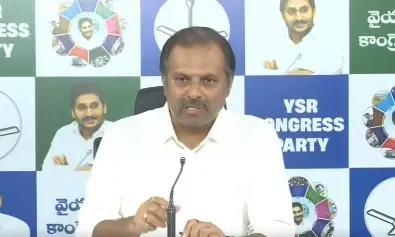
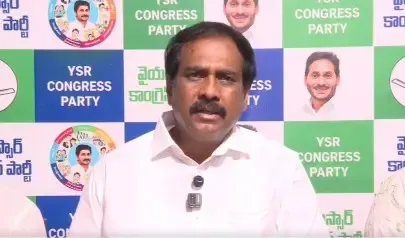
YSR Congress Party (YSRCP) Regional Coordinator and former minister Kurasala Kannababu on Tuesday, 29 September accused the Andhra Pradesh coalition government led by Chief Minister N. Chandrababu Naidu of systematically undermining the state's village and ward secretariat system through what he described as deliberate misinformation and political hostility. Speaking from his camp office in Kakinada, Kannababu alleged the administration was treating secretariat employees as political opponents due to its animosity toward former Chief Minister Y.S. Jagan Mohan Reddy.
Suspensions and Police Action Against Employees
Kannababu strongly condemned what he called a pattern of intimidation against secretariat workers. According to him, more than 140 employees had been suspended, and women employees were reportedly taken to police stations and harassed for protesting their demands. He argued that instead of addressing legitimate grievances, the government was deploying coercive measures against its own administrative workforce. YSRCP, he asserted, would stand firmly with the affected employees.
What the YSRCP Government Built
The former minister outlined the legislative and administrative architecture that the previous YSRCP government had constructed. He said the YSRCP government established 15,004 Village and Ward Secretariats in 2019, creating a structured framework covering duties, job charts, service matters, probation rules, and departmental lines. Government Orders covering service rules for 17 categories of employees were issued during that tenure, along with mechanisms for promotions, regularisation, and pay revision. He argued that claims suggesting the system lacked service rules or promotion channels contradicted those official government orders.
What the Secretariat System Delivers to Citizens
Kannababu emphasised that the secretariat network was designed to deliver pensions, ration cards, welfare benefits, and services covering revenue, agriculture, health, and sanitation directly at the village level. It was integrated with the volunteer system to bring governance to citizens' doorsteps. Critically, he said the network had served as a frontline administrative layer during cyclones, floods, and other emergencies. Any reduction in staffing or alteration of responsibilities, he warned, would directly diminish services available to ordinary citizens.
YSRCP's Demands and Political Challenge
The YSRCP leader demanded an immediate halt to all cases and suspensions, and called on the government to provide a clear roadmap on job charts, service rules, promotions, probation, regularisation, and pay revision. He also demanded clarity on whether the Naidu government intended to strengthen or dismantle the system. 'If the government truly believes this is a useless system, does it have the courage to abolish it completely? If not, why weaken it piece by piece and make both employees and citizens suffer?' Kannababu said, asserting that YSRCP would continue its fight for employees' rights and decentralised public services.
Point of View
It carries deep YSRCP ownership, making any reform under Naidu inherently contested. The allegation of 140-plus suspensions, if verified, points to a management crisis that goes beyond politics and risks real service delivery gaps in rural Andhra. What mainstream coverage misses is that the employees caught in this dispute are largely entry-level workers who serve as the last-mile link for welfare benefits — their demoralisation has direct consequences for citizens, not just for party positioning. The Naidu government has yet to publicly articulate a clear alternative framework, leaving a vacuum that YSRCP is adeptly filling.
NationPress
30 Sept 2026
Frequently Asked Questions
What is the Andhra Pradesh village and ward secretariat system?
It is a grassroots administrative network established by the YSRCP government in 2019 across 15,004 locations, designed to deliver pensions, ration cards, welfare benefits, and services covering revenue, agriculture, health, and sanitation directly at the village level. The system also functions as a frontline emergency response layer during cyclones and floods.
Why is YSRCP attacking the Naidu government over the secretariat system?
YSRCP argues the Naidu-led coalition is deliberately weakening the system through misinformation, suspensions, and police action against protesting employees, which it attributes to political hostility toward former Chief Minister Y.S. Jagan Mohan Reddy. The party says over 140 employees have been suspended and women workers allegedly harassed.
What has the Naidu government done that prompted these accusations?
According to YSRCP, the government has filed cases against employees, suspended more than 140 of them, and subjected women employees to police harassment for protesting their service-related demands. The government has also reportedly described the secretariat model as ill-conceived, which YSRCP disputes.
What are YSRCP's specific demands from the Andhra government?
YSRCP has demanded an immediate halt to suspensions and cases against employees, and called for a clear roadmap covering job charts, service rules, promotions, probation completion, regularisation, and pay revision. It has also asked the government to publicly clarify whether it intends to strengthen or dismantle the system.
Were there official service rules for secretariat employees under YSRCP?
According to Kurasala Kannababu, Government Orders covering service rules for 17 categories of secretariat employees were issued during the YSRCP tenure, along with mechanisms for promotions, regularisation, and pay revision. He said claims that no such rules existed contradicted those official orders.