Jaishankar reviews Nepal flood crisis with envoys in Kathmandu, Beijing
Synopsis
With 177 dead and 826 missing — including hundreds of tourists and dozens of army and police personnel — Nepal's Bhote Koshi floods have triggered an emergency diplomatic response from India. EAM Jaishankar's simultaneous engagement with ambassadors in both Kathmandu and Beijing is a telling signal: this is a transboundary disaster, and India knows the upstream answer lies in Tibet.
Key Takeaways
Jaishankar held an emergency review on 27 August with Foreign Secretary Vikram Misri and India's Ambassadors in Kathmandu and Beijing on the Nepal flood situation.
177 bodies had been recovered by 10 am Thursday , with the toll continuing to rise.
826 people remained out of contact as of 11 am Thursday , including 579 tourists and scores of Nepali security personnel.
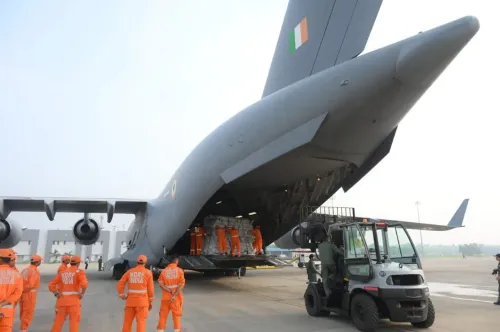
India dispatched a second relief flight carrying 37.5 tonnes of humanitarian supplies, medicines, and food packets.
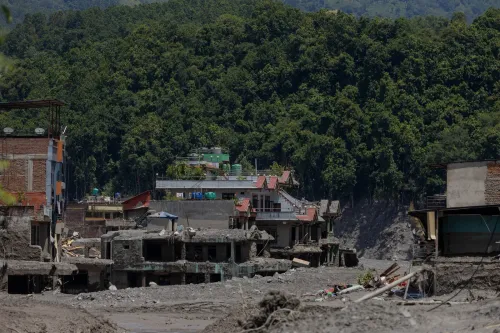
The floods originated in the Tibetan region of China and swept through the transboundary Bhote Koshi River , damaging settlements, hydropower projects, and infrastructure.
MEA is coordinating with Indian ministries, state governments, tour operators, and project authorities to trace Indians in flood-affected areas.
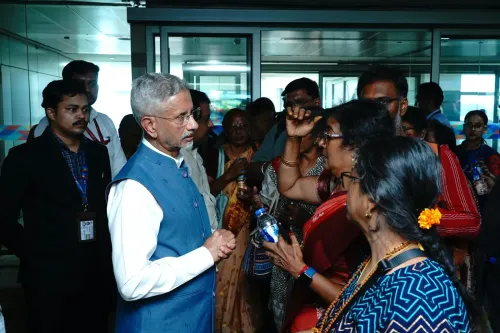
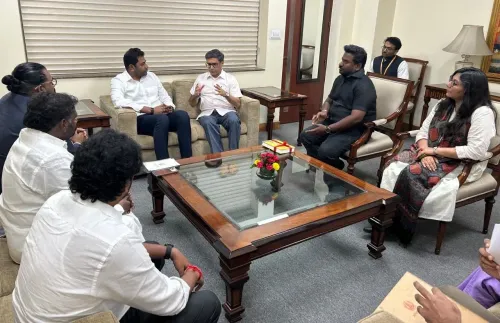
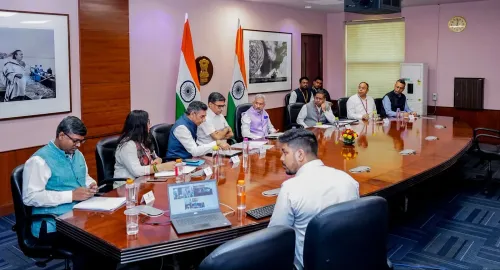
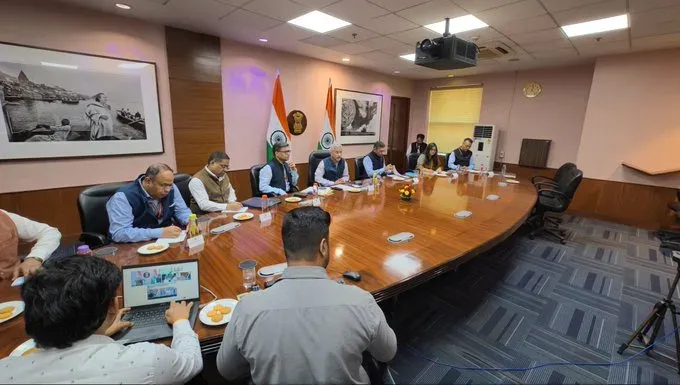
External Affairs Minister S. Jaishankar on Thursday, 27 August chaired an emergency review meeting with Foreign Secretary Vikram Misri, senior Ministry of External Affairs (MEA) officials, and India's Ambassadors in Kathmandu and Beijing to assess the situation of Indians caught in the catastrophic floods sweeping through Nepal. The meeting was convened as the death toll from flash floods along the Bhote Koshi River climbed past 177, with more than 800 people still out of contact.
What the Government Said
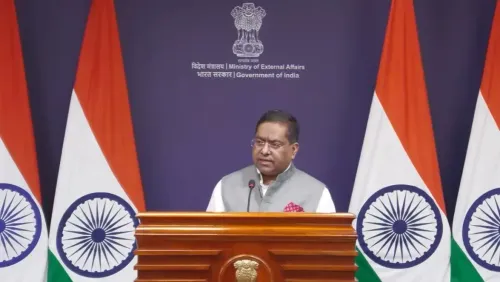
'Held a review meeting with Foreign Secretary, Team MEA and our Ambassadors in Kathmandu and Beijing on the Nepal flood disaster. Urgent efforts are underway to ascertain the status and well-being of all Indians in the flood-affected areas,' Jaishankar said in a post on X.
He added: 'MEA is coordinating with various Ministries, State Governments, tour operators and project authorities in this regard. We are working closely with the Nepali side, both on this aspect and on the relief efforts.'
Scale of the Disaster
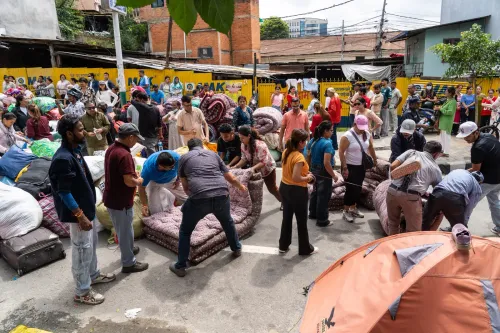
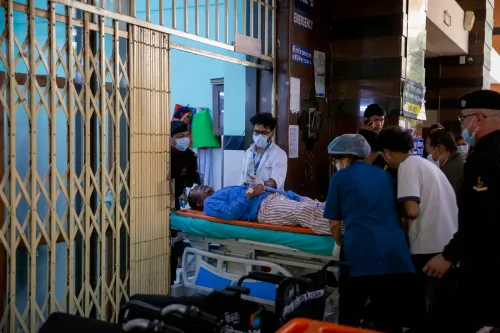
Nepal Police confirmed that the bodies of 177 people had been recovered by 10 am Thursday, with recoveries reported across several downstream districts along the Bhote Koshi and Trishuli river systems — including Rasuwa, Nuwakot, Dhading, Chitwan, Gorkha, Tanahun, Nawalparasi (East), and Nawalparasi West. The highest number of bodies were recovered in Chitwan, in Nepal's southern plains.
According to Nepal's National Disaster Risk Reduction and Management Authority (NDRRMA), as many as 826 people remained out of contact as of 11 am Thursday. Of them, 579 were tourists, though the authority did not specify whether these were foreign or domestic travellers. Additionally, 48 Nepali Army personnel, 28 Nepal Police personnel, and 13 Armed Police Force (APF) personnel remained unaccounted for, along with 162 civilians from the Rasuwa and Nuwakot districts.
India's Relief Efforts
Earlier on Thursday, India dispatched a second relief flight carrying 37.5 tonnes of humanitarian supplies, medicines, and food packets to support Nepal's disaster response. The MEA confirmed it is coordinating with multiple ministries, state governments, tour operators, and project authorities to track Indian nationals in the affected zones.
Origin of the Floods
The disaster originated in the Tibetan region of China, with floodwaters sweeping through the transboundary Bhote Koshi River into Nepal, inundating human settlements, hydropower projects, customs offices, and electricity infrastructure. This is a recurring vulnerability along this transboundary river corridor — one that has drawn attention to the need for real-time upstream data-sharing between China and Nepal. Rescue operations were continuing from early Thursday morning, with Nepali authorities mobilising personnel across the affected river basins.
India's active diplomatic engagement — involving ambassadors in both Kathmandu and Beijing — signals awareness that the flood's origin in Tibet makes this a cross-border crisis requiring coordination on multiple fronts.
Point of View
Which means real-time upstream water-level data from China could have provided critical warning time. That India is engaging Beijing diplomatically on this, even amid fraught bilateral ties, suggests New Delhi understands the structural gap. The recurring nature of Bhote Koshi flooding also raises a harder question: why do Indian nationals and tourists continue to lack a rapid-alert mechanism in Nepal's high-risk river corridors? The MEA's coordination is reactive; the gap is a proactive early-warning architecture that does not yet exist.
NationPress
11 Oct 2026
Frequently Asked Questions
Why did EAM Jaishankar involve India's Ambassador in Beijing in the Nepal flood review?
The floods originated in the Tibetan region of China and swept into Nepal through the transboundary Bhote Koshi River, making China's upstream territory directly relevant to the disaster. Engaging the Beijing Ambassador signals India's intent to coordinate on cross-border flood data and relief alongside its efforts in Kathmandu.
What is the current death toll from the Nepal floods?
Nepal Police confirmed that 177 bodies had been recovered by 10 am on Thursday, 27 August, with the toll still rising. Over 826 people remained out of contact as of 11 am Thursday, according to the NDRRMA.
How many Indians are affected by the Nepal floods?
The exact number of Indian nationals in the flood-affected areas had not been confirmed as of Thursday. The MEA stated that urgent efforts are underway to ascertain the status and well-being of all Indians, with coordination happening across ministries, state governments, tour operators, and project authorities.
What relief has India sent to Nepal?
India dispatched a second relief flight on Thursday carrying 37.5 tonnes of humanitarian supplies, medicines, and food packets to support Nepal's disaster response operations.
Which districts in Nepal were worst affected by the Bhote Koshi floods?
Bodies were recovered across Rasuwa, Nuwakot, Dhading, Chitwan, Gorkha, Tanahun, Nawalparasi (East), and Nawalparasi West. Chitwan, in Nepal's southern plains, recorded the highest number of recovered bodies.