Nepal floods: 320 Indian nationals uncontactable, 400 safe on Chinese side, says MEA
Synopsis
With 320 Indian nationals still uncontactable and a death toll of 538 in Nepal's Bhotekoshi region, the MEA is running control rooms across New Delhi, Kathmandu, and Beijing simultaneously. The one relief: all 400 Indians on the Chinese side are safe and in contact with families — but evacuation logistics remain unresolved.
Key Takeaways
320 Indian nationals remain out of contact following the Nepal floods as of 28 August , according to the MEA .
400 Indian nationals on the Chinese side are safe and have been in contact with their families.
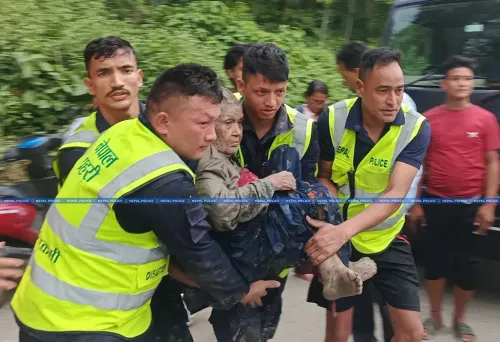
84 Indian nationals have been rescued so far, including 63 from the Trishuli-1 hydropower project .
21 Indian nationals from Tamil Nadu landed in Delhi on Friday via an IndiGo flight from Kathmandu.
96 Indian nationals stranded on the Chinese side have crossed into Nepal by land; evacuation efforts are ongoing.
Nepal's NDRRMA puts the flood death toll at 538 , with hundreds still missing.
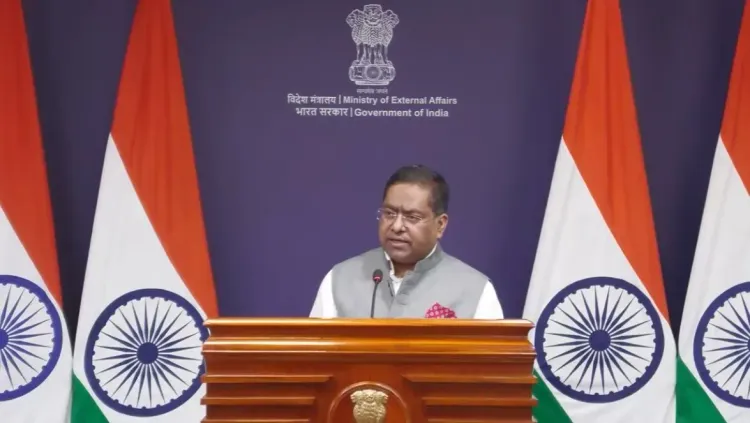
The Ministry of External Affairs (MEA) confirmed on Friday, 28 August that 320 Indian nationals remain out of contact following the devastating floods in Nepal's Bhotekoshi region, even as 400 Indian nationals stranded on the Chinese side have been accounted for and are safe. MEA spokesperson Randhir Jaiswal provided the update at a bi-weekly press briefing in New Delhi, describing the situation as 'dynamic' with figures continuing to change.
Rescues and Safe Returns
A total of 84 Indian nationals have been rescued so far, including 63 who were employed at the Trishuli-1 hydropower project. In a significant development, 21 Indian nationals — all from Tamil Nadu — landed in Delhi on Friday after flying in from Kathmandu on an IndiGo flight. India's Ambassador to Nepal had met them in Kathmandu on Thursday to check on their well-being.
Additionally, 96 Indian nationals who were stranded on the Chinese side have crossed into Nepal by land, and efforts are underway to facilitate their full evacuation. Jaiswal said further details about this group would be shared as more information becomes available.
Situation of Indians on the Chinese Side
The 400 Indian nationals on the Chinese side are safe and have been in contact with their families, with phone connectivity reportedly functional in that area. The Indian Embassy in Beijing has been in touch with team leaders and travel agents accompanying these groups, and is coordinating with local Chinese authorities to arrange evacuation. Many family members have also reached out through the Embassy's helpline numbers, according to Jaiswal.
Persons of Indian Origin Also Affected
Beyond Indian passport holders, approximately 100 persons of Indian origin who hold other nationalities and may have been travelling for the Kailash Mansarovar Yatra also remain uncontactable. The MEA's control room in New Delhi, along with control rooms at the Indian Embassy in Kathmandu and the Indian Embassy in Beijing, are operating round the clock to track and assist those affected.
Scale of Destruction in Nepal
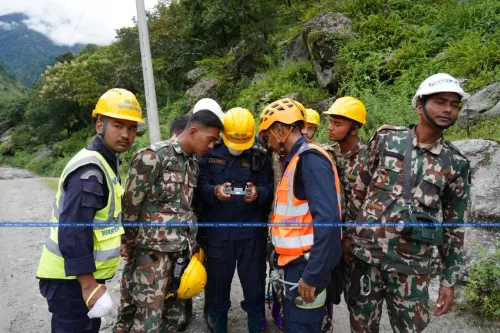
The floods are believed to have been triggered by an avalanche on a transboundary river between Nepal and China, upstream of the Bhote Koshi River. The resulting deluge swept through human settlements, roads, hydropower infrastructure, and transmission facilities along the riverbanks downstream. According to the latest figures released by Nepal's National Disaster Risk Reduction and Management Authority (NDRRMA), the death toll has climbed to 538, with hundreds more still missing. This makes it one of the deadliest flood events in Nepal in recent years.
What Comes Next
The MEA has cautioned that the figures for those uncontactable are subject to revision as multiple lists are being reconciled. Evacuation efforts for the 96 who crossed into Nepal from the Chinese side, as well as the 400 still on the Chinese side, are expected to be the immediate priority. Updates are expected to be issued as the situation on the ground stabilises.
Point of View
Kathmandu, and Beijing signals the unusual cross-border complexity of this disaster — Indian nationals are stranded in two countries at once. The 'dynamic figures' caveat from Jaiswal is standard crisis-communication hedging, but it also reflects a genuine reconciliation problem: multiple lists, multiple agencies, and a remote terrain that limits real-time verification. The Kailash Mansarovar Yatra angle adds a politically sensitive dimension — these are pilgrims on a route that passes through Chinese-administered territory, and their status depends on Beijing's cooperation. How quickly China facilitates evacuation of the 400-plus Indians on its side will be a quiet test of the current state of India-China relations.
NationPress
12 Oct 2026
Frequently Asked Questions
How many Indian nationals are missing or uncontactable after the Nepal floods?
As of 28 August, 320 Indian nationals remain out of contact following the floods in Nepal's Bhotekoshi region, according to the MEA. The figure is subject to change as multiple lists are being reconciled.
Are the Indian nationals stranded on the Chinese side safe?
Yes, all 400 Indian nationals on the Chinese side are safe and have been in contact with their families. The Indian Embassy in Beijing is coordinating with local Chinese authorities to arrange their evacuation.
How many Indians have been rescued from the Nepal floods so far?
A total of 84 Indian nationals have been rescued, including 63 workers from the Trishuli-1 hydropower project. Additionally, 21 Indian nationals from Tamil Nadu flew from Kathmandu to Delhi on Friday, and 96 others crossed into Nepal from the Chinese side by land.
What caused the floods in Nepal's Bhotekoshi region?
The floods are believed to have been triggered by an avalanche on a transboundary river between Nepal and China, upstream of the Bhote Koshi River. The resulting surge swept away settlements, roads, and hydropower infrastructure downstream.
What is the current death toll from the Nepal floods?
Nepal's National Disaster Risk Reduction and Management Authority (NDRRMA) has confirmed a death toll of 538 as of Friday, 28 August, with hundreds more still missing.