J&K Civil Secretariat resumes in Jammu as Darbar Move returns
Synopsis
After a four-year suspension, Jammu and Kashmir's 160-year-old Darbar Move tradition is back in full force — Chief Minister Omar Abdullah led the Civil Secretariat's return to Jammu on 2 November, honouring a key NC electoral promise and delivering a significant economic boost to the Jammu division's business community.
Key Takeaways
The J&K Civil Secretariat resumed functioning in Jammu on 2 November 2026 under the revived Darbar Move tradition.
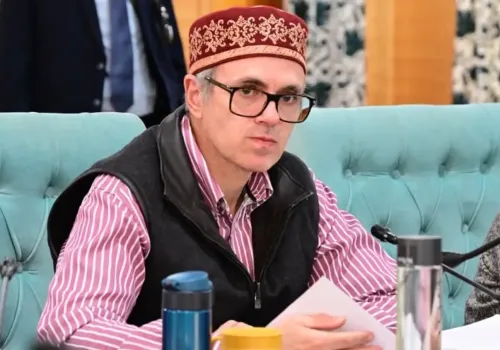
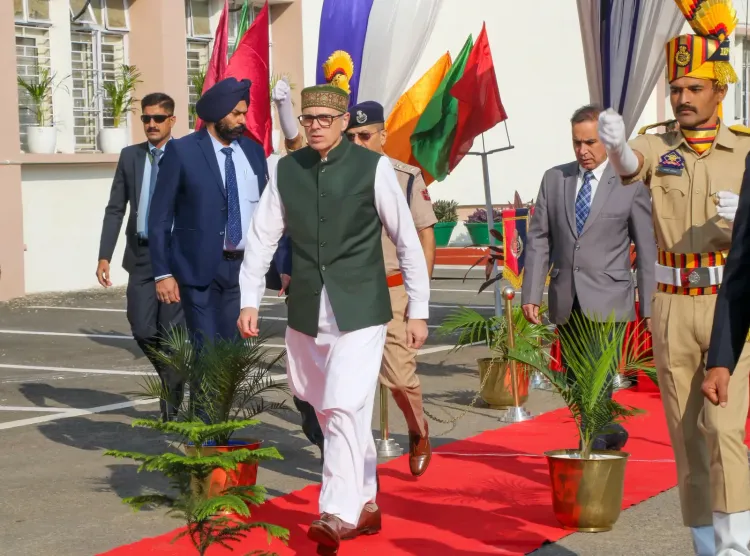
Chief Minister Omar Abdullah arrived at the Civil Secretariat and was received with a guard of honour by the J&K Armed Police .
The Darbar Move offices closed in Srinagar on 30 October before the biannual shift.
The nearly 160-year-old tradition was discontinued by the Lt Governor in 2021 and revived in 2025 after the elected government took office.
Restoring the Darbar Move was a key promise in the National Conference's 2024 election manifesto .
A winter secretariat manned by a senior bureaucrat will continue operating in Srinagar to ensure uninterrupted public services.
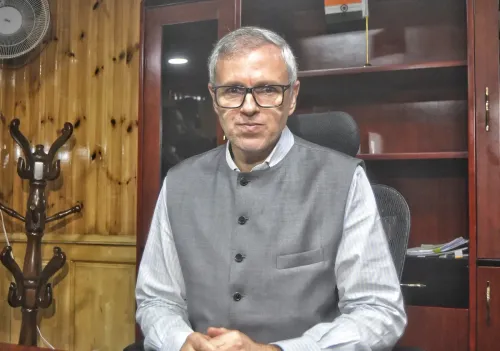
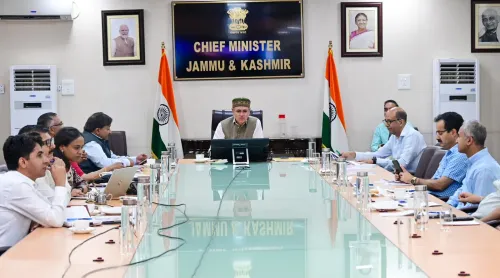
The Jammu and Kashmir Civil Secretariat and other key government offices formally resumed functioning in Jammu on Monday, 2 November 2026, marking the first working day in the winter capital under the revived biannual Darbar Move tradition. Chief Minister Omar Abdullah led the shift, arriving at the Civil Secretariat where he was received with a guard of honour by a contingent of the J&K Armed Police.
Key Developments
With Omar Abdullah's arrival, all top offices — including those of the Chief Minister, his cabinet colleagues, the Chief Secretary, and senior commissioners — commenced operations in Jammu on Monday. The Darbar Move offices had closed at the summer capital Srinagar on 30 October, completing the biannual transition.
Beyond the Civil Secretariat, offices of major department heads including the Director General of Police (DGP), the Director of the Anti-Corruption Bureau (ACB), and headquarters of crime, traffic, home guards, fire, and essential services have also relocated to Jammu. The office of the Lt Governor and the Chief Justice of the Jammu and Kashmir and Ladakh High Court similarly shift to Jammu for the winter months.
A Nearly 160-Year-Old Tradition Revived
The Darbar Move tradition dates back nearly 160 years to the rule of the erstwhile Dogra Maharajas of Jammu and Kashmir, who shuttled the seat of governance between the two capitals to account for seasonal conditions. The practice was maintained continuously until 2021, when the Lt Governor discontinued it during the period of central administration following the abrogation of Article 370.
The practice was suspended for roughly four years before an elected government returned to J&K. Restoring the Darbar Move had been a prominent electoral promise by the National Conference (NC) in its 2024 election manifesto. After the NC-led government under Omar Abdullah assumed office, the biannual shift was formally resumed in 2025.
Economic Significance for Jammu Division
Traders and the business community in Jammu had strongly opposed the abandonment of the Darbar Move when it was discontinued in 2021, arguing that the seasonal influx of government offices, officials, and associated activity had historically driven commerce in Jammu division. The revival is therefore seen not just as an administrative decision but as an economic one, with the region's business stakeholders welcoming the return of the tradition.
Continuity in Srinagar
To ensure uninterrupted delivery of public services during the winter months, a winter secretariat staffed by a senior bureaucrat will continue to function in Srinagar on a rotational basis. This arrangement is designed to attend to public grievances and maintain essential commodity supplies in the Kashmir valley while the main offices operate from Jammu.
The Darbar Move's revival represents one of the more tangible administrative promises fulfilled by the Abdullah-led government, and its continuation will be closely watched by residents and traders in both capitals.
Point of View
Where the tradition was seen as both economic lifeline and cultural recognition. Omar Abdullah has moved quickly to honour this commitment, but the durability of the practice — and whether a future central intervention could again suspend it — remains an unresolved constitutional question given J&K's status as a Union Territory. The winter secretariat arrangement in Srinagar is a practical compromise, but it also underlines how governance in J&K still operates under constraints no other state-level administration faces.
NationPress
2 Nov 2026
Frequently Asked Questions
What is the Darbar Move in Jammu and Kashmir?
The Darbar Move is a nearly 160-year-old biannual tradition in which the Jammu and Kashmir government shifts its principal offices between the summer capital Srinagar and the winter capital Jammu. It was started by the erstwhile Dogra Maharajas and has historically served both administrative and economic purposes.
Why was the Darbar Move discontinued and when was it revived?
The Darbar Move was discontinued in 2021 by the Lt Governor during the period of central administration following the abrogation of Article 370. It was revived in 2025 after Chief Minister Omar Abdullah's elected government took office, fulfilling a key National Conference promise from its 2024 election manifesto.
Who shifted to Jammu as part of the Darbar Move on 2 November 2026?
Chief Minister Omar Abdullah, his cabinet colleagues, the Chief Secretary, senior commissioners, the DGP, the Director of the Anti-Corruption Bureau, and heads of several departments including crime, traffic, home guards, and fire services all shifted to Jammu. The Lt Governor's office and the Chief Justice of the J&K and Ladakh High Court also relocate to Jammu for winter.
What happens to government services in Srinagar during the Darbar Move?
A winter secretariat staffed by a senior bureaucrat functions in Srinagar on a rotational basis during the winter months to ensure essential commodity supplies and public grievance redressal continue uninterrupted.
Why does the Darbar Move matter to Jammu's business community?
Jammu's traders and business community had strongly opposed the 2021 suspension, arguing that the seasonal arrival of government offices and officials historically stimulated commerce in the Jammu division. The revival is therefore seen as both an administrative and economic restoration.