HP CM Office: 'Children of the State' Scheme Shapes a Girl's Future
Synopsis
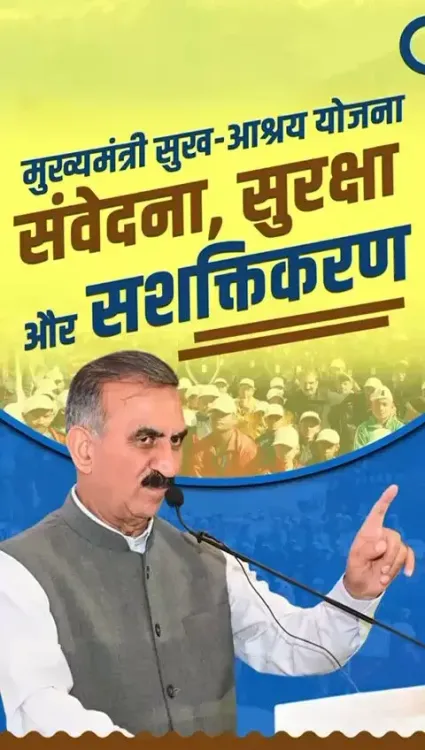
The Chief Minister's Office of Himachal Pradesh showcased the Mukhya Mantri Sukh-Ashray Yojana on November 2, 2026, highlighting how a girl without parental support is shaping her future as a 'Child of the State' under CM Sukhvinder Singh Sukhu's guardianship scheme.
Key Takeaways
The Chief Minister's Office of Himachal Pradesh posted on November 2, 2026 about a beneficiary of the Mukhya Mantri Sukh-Ashray Yojana.
The scheme, launched by CM Sukhvinder Singh Sukhu , grants orphaned and destitute children formal 'Children of the State' status.
Benefits include state guardianship, education support, healthcare, and financial assistance.
The scheme builds on the Juvenile Justice (Care and Protection of Children) Act, 2015 , which established state responsibility for children without parental care.
Himachal Pradesh's guardianship model goes beyond stipends — it assigns formal state responsibility, reducing the risk of children being lost between welfare programmes.
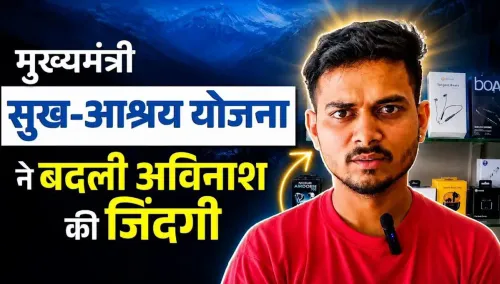
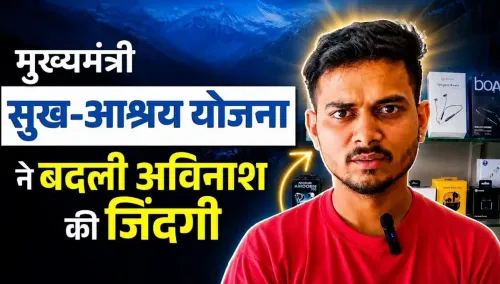
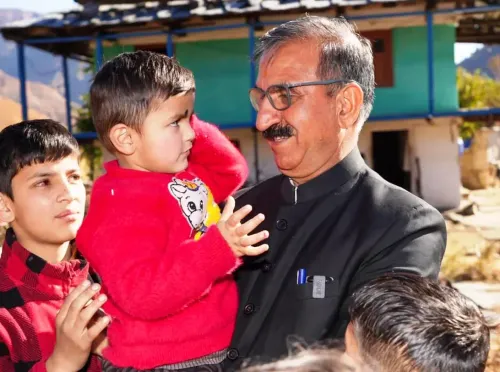
A girl without parental support is building her future under the direct guardianship of the Himachal Pradesh government — and the Chief Minister's Office of Himachal Pradesh shared her story on Monday, November 2, 2026, as a testament to what state care can look like when it goes beyond an institution.
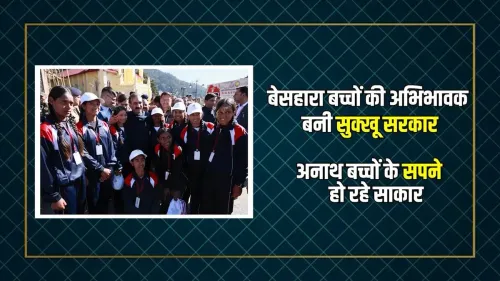
The post, written in Hindi, states: 'Yah beti bhi Mukhya Mantri Sukh-Ashray Yojana ke tahat rajya sarkar ke sanrakshan mein apne bhavishy ko sanvaarne ki disha mein aage badh rahi hai' — 'This daughter too, under the Mukhya Mantri Sukh-Ashray Yojana, is moving forward to shape her future under the protection of the state government.' The office added that children deprived of parental love and support have been formally adopted as 'Children of the State' to give them opportunity and strength in life.
What the Sukh-Ashray Yojana actually does
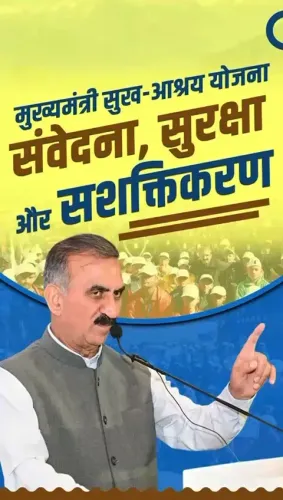
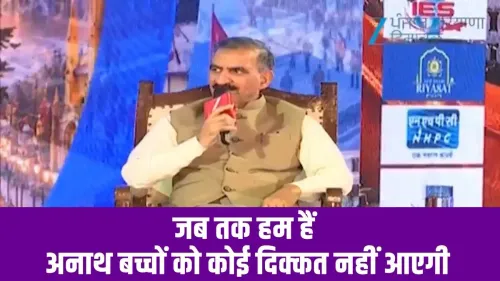
Launched by Chief Minister Sukhvinder Singh Sukhu, the Mukhya Mantri Sukh-Ashray Yojana offers orphaned and destitute children something that most welfare schemes do not — a formal identity as wards of the state itself. Under the scheme, beneficiaries receive state guardianship alongside education support, healthcare, and financial assistance. The aim is to replace the cold geometry of institutional care with something closer to a family arrangement, anchored in state responsibility.
The legal scaffolding for this approach rests on the Juvenile Justice (Care and Protection of Children) Act, 2015, which codified the state's duty toward children without adequate parental care. Himachal Pradesh has built on that national foundation by going a step further — granting the 'Children of the State' designation, which carries both symbolic and practical weight.
Why the 'Children of the State' framing matters
Several Indian states run stipend or scholarship programmes for orphaned children. What sets Himachal Pradesh's model apart is its insistence on guardianship language — the state does not merely assist these children, it claims them. That framing matters enormously for long-term outcomes: it signals continued responsibility beyond a single benefit payment and reduces the risk of children falling through administrative cracks as they age out of specific schemes.
Research across comparable guardianship frameworks suggests that children with a named, accountable legal guardian — even when that guardian is the state — show better educational continuity and reduced vulnerability to exploitation. The girl highlighted in today's post represents exactly the kind of outcome the scheme was designed to produce: forward movement, not stasis.
The road the scheme is still walking
Advocates and policy watchers will look for hard enrolment numbers, educational attainment data, and any expansion of benefits as the scheme matures. The government's decision to amplify individual beneficiary stories — a daughter shaping her future, not an abstract statistic — suggests a deliberate communication strategy aimed at normalising state guardianship and encouraging identification among eligible children who may not yet know they qualify.
In a mountain state where geography isolates communities and institutional reach is limited, the promise embedded in 'Children of the State' is as logistical as it is emotional. Getting that promise to every child who needs it is the next test.
Point of View
The HP government is binding itself to long-term accountability in a way that a one-time scholarship does not. This positions the scheme within a broader national conversation about moving child welfare from charity to rights. The individual-story communication approach — amplifying one girl's journey — is also a classic political storytelling device that humanises a policy, builds public buy-in, and pre-empts criticism that the scheme is merely performative. The real test will be whether enrolment data and educational outcomes, once published, match the aspirational narrative.
NationPress
2 Nov 2026
Frequently Asked Questions
What is the Mukhya Mantri Sukh-Ashray Yojana in Himachal Pradesh?
The Mukhya Mantri Sukh-Ashray Yojana is a Himachal Pradesh government scheme that provides state guardianship, education support, healthcare, and financial assistance to orphaned and destitute children, formally designating them as 'Children of the State'.
Who launched the Sukh-Ashray Yojana?
The scheme was launched by Sukhvinder Singh Sukhu , the Chief Minister of Himachal Pradesh.
What does 'Children of the State' mean under the HP scheme?
'Children of the State' is a formal designation given to children without parental care under the Sukh-Ashray Yojana, making the Himachal Pradesh government their legal guardian and responsible caretaker.
What law supports the Himachal Pradesh child guardianship scheme?
The scheme builds on the Juvenile Justice (Care and Protection of Children) Act, 2015, which establishes the legal basis for state responsibility toward orphaned and destitute children in India.
Who is eligible for the Mukhya Mantri Sukh-Ashray Yojana?
Children who have been deprived of parental love and care — including orphans and destitute children — are eligible for support under the Mukhya Mantri Sukh-Ashray Yojana in Himachal Pradesh.