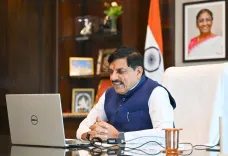
Giriraj Singh Backs India-New Zealand FTA for New Export Doors

Synopsis
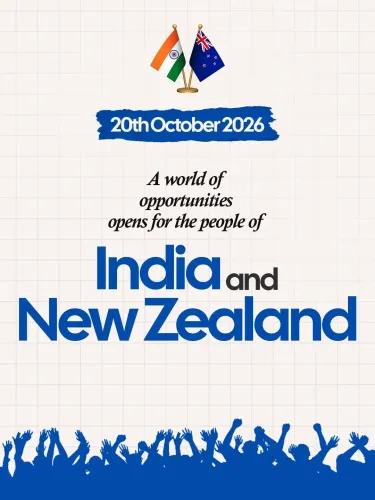
Union Textiles Minister Giriraj Singh on 2 November 2026 backed coverage explaining how the proposed India-New Zealand FTA and its simplified trade procedures could open new global market doors for Indian businesses, especially exporters.
Key Takeaways
Union Textiles Minister Giriraj Singh shared and praised coverage of the proposed India-New Zealand Free Trade Agreement on 2 November 2026 .
He highlighted how simplified trade procedures are central to creating new global opportunities for Indian businesspersons .
India signed Comprehensive Economic Partnership Agreements with the UAE and Australia in 2022 , with the India-New Zealand FTA being the next step in this bilateral trade expansion.
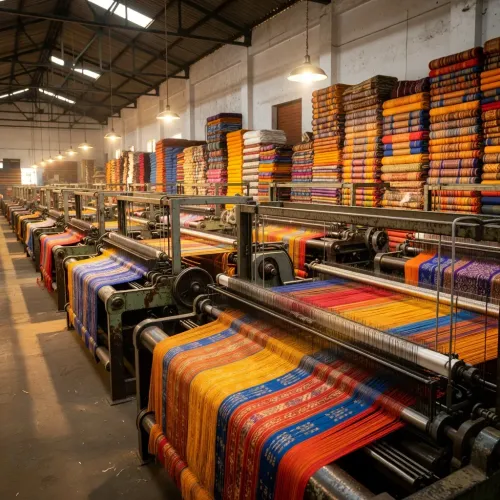
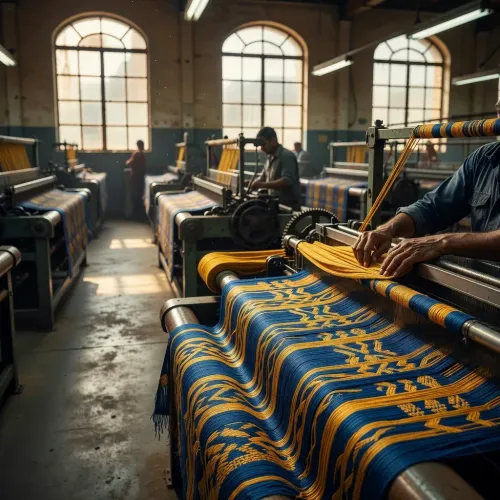
The textile sector, under Giriraj Singh's ministry, stands to benefit significantly from reduced tariffs and lower compliance burdens in a deal with New Zealand .
Specific provisions, tariff schedules, and a signing date for the India-New Zealand FTA are yet to be publicly confirmed; parliamentary and cabinet approvals remain ahead.
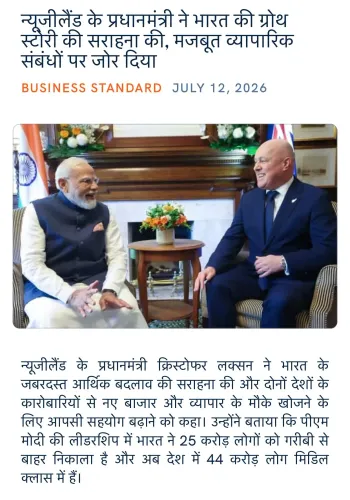
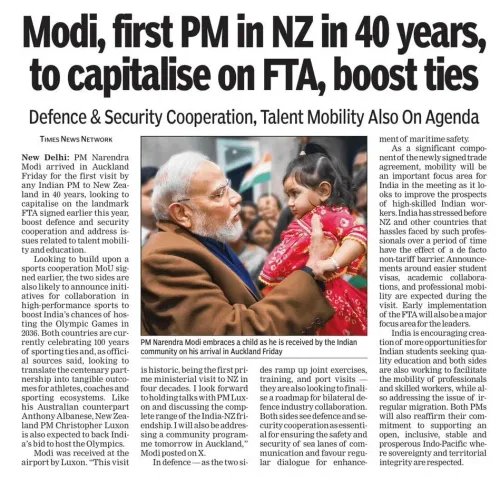
A bilateral trade deal with New Zealand could open fresh global-market pathways for Indian businesses — and Union Textiles Minister Giriraj Singh wants that story told clearly. On Monday, 2 November 2026, the senior BJP leader shared a post on X praising coverage that laid out the far-reaching benefits of the proposed India-New Zealand Free Trade Agreement (FTA), calling it an effective illustration of how simplified trade procedures are unlocking new opportunities for Indian businesses worldwide.
In his post, the Minister wrote — 'भारत-न्यूजीलैंड FTA के दूरगामी लाभों को सरल और प्रभावी ढंग से सामने रखती यह खबर...' — ('This report effectively and simply presents the far-reaching benefits of the India-New Zealand FTA, showing how streamlined trade procedures are opening the doors of new opportunities in global markets for Indian businesspersons.')
India's FTA Push: From UAE to the Pacific Rim
The India-New Zealand FTA sits within a broader, deliberate expansion of India's bilateral trade architecture. India signed Comprehensive Economic Partnership Agreements with the UAE and Australia in 2022, signalling a shift away from slow-moving multilateral negotiations toward faster bilateral deals that can be customised sector by sector. A deal with New Zealand would extend that Pacific engagement further, adding a high-income, agri-rich market to India's growing network of preferential trade partners.
For Giriraj Singh, whose ministerial mandate covers the textiles sector — one of India's largest export industries and a major employer in states like Bihar, Gujarat, and Tamil Nadu — an FTA that trims tariffs and cuts paperwork is directly relevant. Simplified trade procedures reduce transaction costs for small and mid-sized exporters who lack the compliance muscle of large conglomerates. That is the constituency the Minister is speaking to.
Why Streamlined Procedures Matter More Than Headline Tariff Cuts
Trade economists have long argued that non-tariff barriers — documentation burdens, customs delays, inconsistent rules of origin — can negate the gains from even deep tariff reductions. India's push to bundle procedural simplification with tariff schedules in its newer FTAs reflects this understanding. The framing the Minister highlights — that 'easy trade procedures' are the real prize — points squarely at that lesson.
The specific provisions, tariff schedules, and signing timeline of the India-New Zealand FTA remain under negotiation and are yet to be publicly confirmed. Parliamentary or cabinet approval will be required before any agreement enters force. What is clear is that both governments have signalled intent, and ministers like Giriraj Singh are already building the political narrative around it.
If the deal lands, Indian textile exporters eyeing premium, sustainability-conscious consumers in New Zealand and the broader Pacific market may find that the hardest door just swung open a crack.
Point of View
Particularly ahead of any parliamentary debate on ratification. For the textiles ministry, framing the FTA around 'simplified procedures' rather than raw tariff numbers is strategically smart: it speaks to the lakhs of small exporters who feel locked out of global supply chains by red tape, not just headline duties. The broader signal is that India's FTA strategy is shifting from volume of deals to communicating the ground-level impact of each one.
NationPress
2 Nov 2026
Frequently Asked Questions
What is the India-New Zealand Free Trade Agreement?
The India-New Zealand FTA is a proposed bilateral trade agreement aimed at reducing tariffs and simplifying trade procedures between the two countries, building on India's earlier deals with the UAE and Australia in 2022.
Why did Giriraj Singh comment on the India-New Zealand FTA?
As Union Textiles Minister, Giriraj Singh endorsed coverage of the FTA on 2 November 2026 to highlight how the deal's simplified trade procedures could open new global market opportunities, particularly for Indian exporters in sectors like textiles.
Has the India-New Zealand FTA been signed yet?
As of November 2026, the specific provisions, tariff schedules, and signing date of the India-New Zealand FTA have not been publicly confirmed; the agreement is still under negotiation and will require parliamentary or cabinet approval.
Which Indian sectors benefit most from a New Zealand FTA?
Textiles, agriculture, and services are among the sectors expected to benefit from an India-New Zealand FTA, given New Zealand's high-income consumer base and demand for manufactured goods.
What other FTAs has India signed recently?
India signed Comprehensive Economic Partnership Agreements with the UAE and Australia in 2022, marking a pivot toward faster, bilateral trade deals as part of a broader strategy to diversify export markets.