CM Sukhu Extends State Care to 6,000 Children Under Sukh-Ashray Yojana
Synopsis
Himachal Pradesh CM Sukhvinder Singh Sukhu announced on 1 July 2026 that 6,000 children in state care will receive comprehensive support — housing, food, education, coaching and pocket money — until age 27 under the Mukhyamantri Sukh-Ashray Yojana, along with Bonafide Himachali Certificates.
Key Takeaways
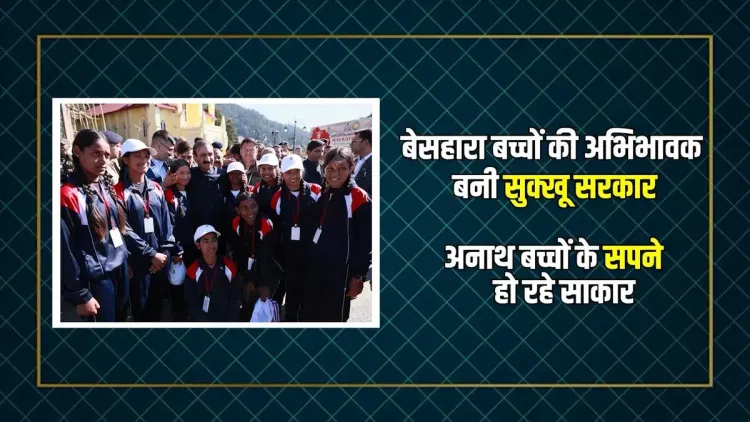
6,000 children in Himachal Pradesh are being granted the status of 'Children of State' under the Mukhyamantri Sukh-Ashray Yojana .
State support — covering residence, food, education, coaching and pocket money — is extended up to the age of 27 years , surpassing the national JJ Act baseline of 21.
Children who have long lived in care institutions are being issued Bonafide Himachali Certificates , enabling access to state entitlements and educational reservations.
The scheme is a flagship welfare initiative of the Congress government in Himachal Pradesh, which took office in December 2022 .
The announcement was made by CM Sukhvinder Singh Sukhu on 1 July 2026 via his official X account.
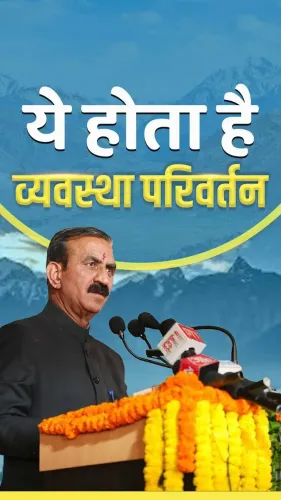
Himachal Pradesh Chief Minister Sukhvinder Singh Sukhu announced on Wednesday, 1 July 2026 that his government is granting 6,000 children the status of 'Children of State' under the Mukhyamantri Sukh-Ashray Yojana, guaranteeing them comprehensive support — from housing and meals to education and pocket money — up to the age of 27 years.
Context
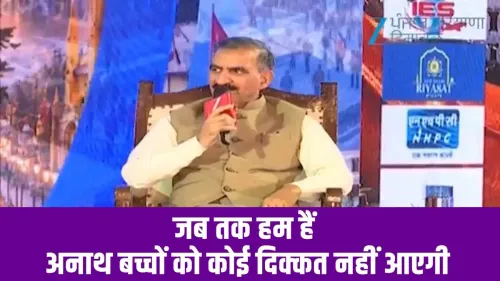
Posting in Hindi on X (formerly Twitter), CM Sukhu stated: 'मुख्यमंत्री सुख-आश्रय योजना के तहत हमारी सरकार 6,000 बच्चों को चिल्ड्रन ऑफ स्टेट का दर्जा देकर उनके जीवन में सुरक्षा, सम्मान और अपनत्व का विश्वास दे रही है' — ('Under the Mukhyamantri Sukh-Ashray Yojana, our government is instilling a sense of security, dignity and belonging in the lives of 6,000 children by granting them the status of Children of State'). He added that children who have long resided in care institutions have also been issued Bonafide Himachali Certificates, a key legal identity document that unlocks state-level benefits and educational reservations.
The announcement underscores the Congress government's push, since taking office in December 2022, to institutionalise welfare provisions for the state's most vulnerable children — those without parental support or family care.
Policy Backdrop
India's Juvenile Justice (Care and Protection of Children) Act, 2015 set baseline national standards for aftercare of children leaving institutional settings, typically extending support up to age 21. Himachal Pradesh's Sukh-Ashray Yojana goes further, stretching that safety net to 27 years — covering residential accommodation, food, academic coaching, and a regular pocket money allowance throughout that extended period.
Across India, state governments have progressively strengthened aftercare frameworks to close the gap between institutional life and independent adulthood. The issuance of Bonafide Himachali Certificates to long-term care-institution residents is a notable administrative step, as such certificates are prerequisites for accessing state government jobs, educational quotas, and local welfare schemes in Himachal Pradesh.
Stakeholders and Impact
The primary beneficiaries are children currently housed in care institutions across Himachal Pradesh — including orphans, destitute children, and those separated from families — who under previous frameworks would have aged out of state support well before reaching financial independence. By extending coverage to age 27, the scheme aligns with the period most young people spend in higher education or early-career skill building.
The Bonafide Himachali Certificate provision is particularly significant: without such documentation, children raised entirely within state institutions often found themselves unable to claim residency-linked entitlements after leaving care. Formalising their Himachali identity removes a structural barrier that had long left this cohort in an administrative grey zone.
What's Next
Attention will now turn to Himachal Pradesh's budget allocations for the scheme's continued expansion and to periodic reviews of how beneficiaries are faring in education, vocational training, and employment. CM Sukhu framed the initiative as an aspiration: that every child under state care should be able to 'give wings to their dreams and take a new flight in life with dignity and self-confidence.' Whether the scheme's outcomes match that vision will depend on sustained funding and robust monitoring of individual beneficiary progress in the years ahead.
Point of View
Stretching support six years beyond the standard cut-off — a move that signals the Sukhu government's intent to use child welfare as a political differentiator in a state where Congress holds a thin majority. Granting Bonafide Himachali Certificates to long-term institutional residents addresses a genuine administrative gap that had effectively rendered a generation of care-leavers second-class citizens in their own state. The broader pattern of Indian states competing to expand child protection provisions reflects growing recognition that institutional care alone does not produce self-sufficient adults. The real test will be fiscal: whether Himachal Pradesh, a state with constrained finances, can sustain per-beneficiary costs across education, housing and stipends for a cohort that now spans nearly three decades of eligibility.
NationPress
30 Sept 2026
Frequently Asked Questions
What is the Mukhyamantri Sukh-Ashray Yojana in Himachal Pradesh?
The Mukhyamantri Sukh-Ashray Yojana is a Himachal Pradesh government welfare scheme that grants children in state care the status of 'Children of State,' providing them with housing, food, education, coaching and pocket money support up to the age of 27 years.
How many children benefit from the Sukh-Ashray Yojana?
According to CM Sukhvinder Singh Sukhu's announcement on 1 July 2026, the scheme covers 6,000 children in Himachal Pradesh who are in need of care and protection.
What is a Bonafide Himachali Certificate and why does it matter for care-home children?
A Bonafide Himachali Certificate is an official residency document that entitles holders to state government jobs, educational quotas and local welfare benefits in Himachal Pradesh. Children raised in care institutions often lacked this document, leaving them unable to claim state entitlements after leaving care — the Sukhu government has now issued these certificates to eligible long-term residents.
Until what age does Himachal Pradesh support children under the Sukh-Ashray Yojana?
The scheme provides support until the age of 27 years , which goes beyond the national standard of 21 years set under the Juvenile Justice (Care and Protection of Children) Act, 2015.
Which government introduced the Sukh-Ashray Yojana in Himachal Pradesh?
The scheme was introduced by the Indian National Congress government in Himachal Pradesh, led by Chief Minister Sukhvinder Singh Sukhu , who took office in December 2022.