HP CM Sukhu: Kids in Care Homes Get Bonafide Himachali Certificates

Synopsis
Chief Minister Sukhvinder Singh Sukhu announced on 1 July 2026 that children living in long-term care institutions in Himachal Pradesh have been issued bonafide Himachali domicile certificates, enabling access to state education reservations, employment quotas, and welfare entitlements previously out of their reach.
Key Takeaways
Children residing in long-term care institutions in Himachal Pradesh have been issued bonafide Himachali domicile certificates.
CM Thakur Sukhvinder Singh Sukhu made the announcement via the official Chief Minister's Office X account on 1 July 2026 .
Bonafide Himachali certificates grant access to state education reservations, government employment quotas, and welfare schemes restricted to domicile residents.
The move addresses a critical documentation gap for institutionalised children who lack family-based residency proof.
The measure aligns with the Juvenile Justice (Care and Protection of Children) Act, 2015 , which mandates rehabilitation and social integration of children in institutional care.
Follow-up data on the number of certificates issued and uptake in education or skill programmes will determine the on-ground impact.
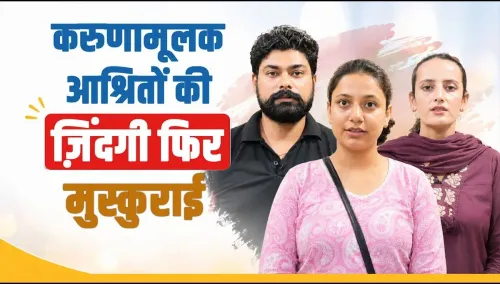
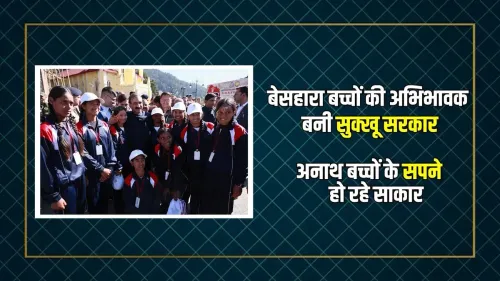
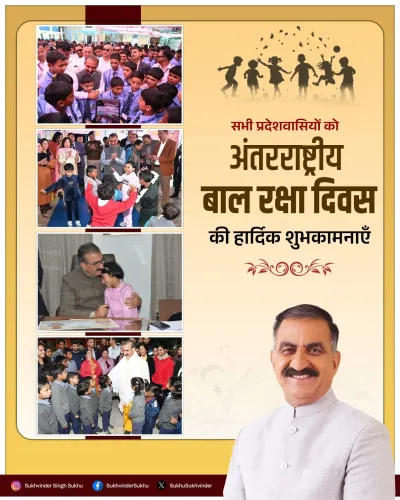
The Chief Minister's Office of Himachal Pradesh shared a statement on 1 July 2026 from Chief Minister Thakur Sukhvinder Singh Sukhu announcing that children who have been living in long-term care institutions in the state have been provided with bonafide Himachali domicile certificates, a step the government says is aimed at enabling their full social and economic participation.
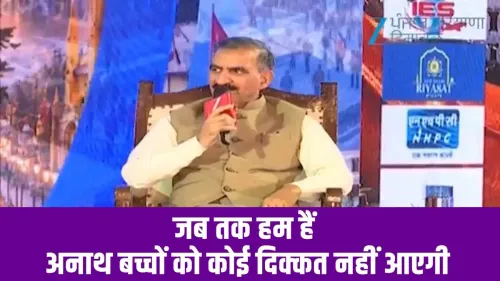
In the post, CM Sukhu stated, 'Lambe samay se dekhbhal sansthaanon mein rah rahe bacchon ko bonafide Himachali praman-patra bhi pradaan kiye gaye hain' ('Children who have been living in care institutions for a long time have also been provided bonafide Himachali certificates'). He added that the government's effort is to ensure 'every child can give wings to their dreams and take a new flight in life with dignity and self-confidence.'
Context
Bonafide Himachali certificates are official domicile documents issued by the Himachal Pradesh government that establish a person's long-term residency in the state. These certificates are a gateway to a range of state-specific entitlements, including reservations in government education institutions, eligibility for state employment quotas, and access to welfare schemes restricted to domicile residents.
Children residing in institutional care — such as government-run children's homes and shelter facilities — often lack the family-based documentation typically required to establish domicile. Without such proof, they risk being excluded from the very schemes designed to support vulnerable populations.
Policy Backdrop
The Juvenile Justice (Care and Protection of Children) Act, 2015, the central legislation governing institutional care of children across India, mandates rehabilitation and social integration as core obligations of state governments. Providing domicile documentation to institutionalised children directly addresses one of the most persistent administrative barriers to that integration.
Across India, states have periodically extended domicile documentation to children in institutional care to resolve long-term residency barriers. Himachal Pradesh's move fits within this broader national pattern of administrative action aimed at reducing exclusion of children without family support from mainstream opportunities, without necessarily creating new statutory entitlements.
Stakeholders and Impact
The primary beneficiaries are children who have spent significant periods in Himachal Pradesh's care institutions — a group that has historically faced compounded disadvantages: the absence of family support, limited documentation, and restricted access to state benefits. The bonafide certificate resolves a critical documentation gap that previously prevented many of these children from accessing higher education reservations, skill development programmes, and government employment opportunities available to other Himachali residents.
Child welfare advocates and administrators working within the state's care system are among the key stakeholders who stand to see the practical impact of this measure as certificate-holding children begin applying for state-level education and employment opportunities.
What's Next
The state government's stated intent — that every child should be empowered to pursue their aspirations with dignity — signals a continued policy focus on institutional care reform under CM Sukhu's administration, which took office in December 2022. Observers will watch for follow-up government orders that may expand eligibility criteria or set timelines for certificate distribution, as well as data on the number of certificates issued and subsequent uptake in education and skill programmes.
If implementation is tracked rigorously, this measure could serve as a replicable model for other states seeking to close the documentation gap for children in institutional care under the national child protection framework.
Point of View
Yet its symbolic and practical weight is considerable — it converts a long-standing exclusion into a formal entitlement. By anchoring the move in the language of dignity and aspiration, the Chief Minister is also signalling a welfare-oriented political identity ahead of the electoral cycle. The measure fits a broader pattern of Indian state governments using domicile documentation as a low-cost, high-visibility tool to address social exclusion without altering underlying reservation or welfare statutes. The real test will be whether implementation is monitored systematically enough to translate certificates into actual educational and employment outcomes for these children.
NationPress
30 Sept 2026
Frequently Asked Questions
What is a bonafide Himachali certificate and who can get it?
A bonafide Himachali certificate is an official domicile document issued by the Himachal Pradesh government that proves long-term residency in the state. It grants access to state education reservations, government employment quotas, and welfare schemes. CM Sukhu announced on 1 July 2026 that children living in long-term care institutions are now also eligible to receive it.
Why were children in care homes not getting bonafide Himachali certificates earlier?
Children in institutional care typically lack family-based documentation — such as parental address proof or ration cards — that is conventionally required to establish domicile. This administrative gap meant many institutionalised children were excluded from state welfare entitlements despite living in Himachal Pradesh for years.
What benefits will institutionalised children get with the bonafide Himachali certificate?
With the certificate, children from care institutions in Himachal Pradesh become eligible for state-specific benefits including reservations in government colleges and universities, priority in state government employment, and access to welfare schemes restricted to domicile residents of the state.
What law covers the welfare of children in care institutions in India?
The Juvenile Justice (Care and Protection of Children) Act, 2015 is the primary central legislation governing institutional care of children in India. It mandates that state governments ensure rehabilitation and social integration of children in their care, which includes resolving documentation and residency barriers.
When did Sukhvinder Singh Sukhu become Chief Minister of Himachal Pradesh?
Thakur Sukhvinder Singh Sukhu became Chief Minister of Himachal Pradesh in December 2022. His administration has stated a focus on social welfare measures for vulnerable groups, including children in institutional care.