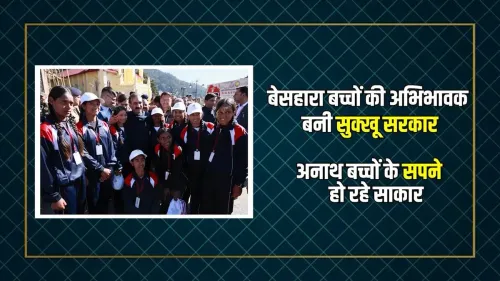
HP CM Office Highlights Orphan Avinash's Story Under Sukh-Ashray Yojana
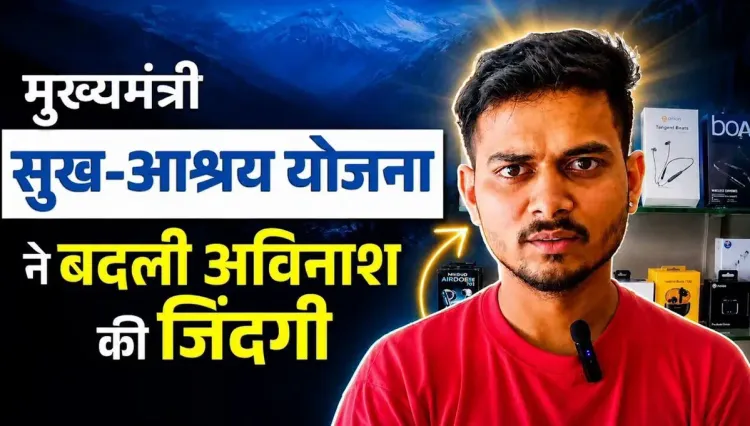
Synopsis
The Chief Minister's Office of Himachal Pradesh shared the story of Avinash from Una district, whose life was reshaped by the Mukhyamantri Sukh-Ashray Yojana after he lost both parents in childhood, highlighting the scheme's role as a state-backed safety net for orphaned children.
Key Takeaways
The Chief Minister's Office of Himachal Pradesh shared the story of Avinash from Una district on 8 July 2026 .
Avinash lost both his parents in childhood and received shelter and support under the Mukhyamantri Sukh-Ashray Yojana .
The scheme is designed to provide protection, education, skill development, and financial assistance to orphans and children without parental care.
Himachal Pradesh's child-welfare interventions operate under the Juvenile Justice (Care and Protection of Children) Act framework.
Similar schemes across Indian states typically extend support until beneficiaries are aged 21 to 25 years .
Future attention will focus on state budget allocations for the scheme and official data on total beneficiaries enrolled.
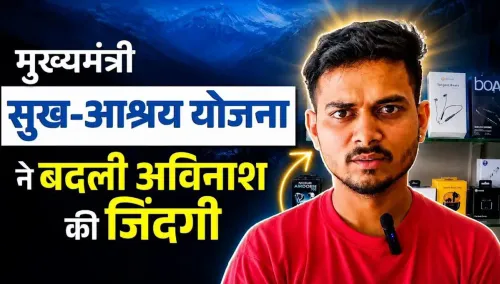
The Chief Minister's Office of Himachal Pradesh on Wednesday, 8 July 2026, shared the story of Avinash, a resident of Una district, to illustrate how the state government's flagship welfare scheme is transforming the lives of orphaned children across the hill state.
The post, shared from the official CMO account, states: 'Ek viश्वास ko mazboot karti hai yeh kahani' — 'This story strengthens the belief that timely support can change the course of a life.' It highlights that after Avinash lost both his parents in childhood, the state government's Mukhyamantri Sukh-Ashray Yojana stepped in to provide him shelter, protection, and sustenance.
Context
Avinash's case, as presented by the CMO, is framed as a human-interest illustration of a larger welfare architecture. Una district, one of the twelve districts of Himachal Pradesh in the state's lower hills bordering Punjab, has a predominantly agrarian population where children losing parental support can face acute economic vulnerability. The state government has chosen to spotlight individual beneficiary stories as part of its public communication around the scheme.Policy Backdrop
The Mukhyamantri Sukh-Ashray Yojana is an ambitious state-government programme specifically designed to provide comprehensive support — including residential care, education, skill development, and financial assistance — to orphans and children who have lost both parents. The scheme operates within the broader framework of the Juvenile Justice (Care and Protection of Children) Act, under which Himachal Pradesh has run targeted child-protection interventions since the early 2010s. Across India, states have progressively expanded cash-transfer and residential support programmes for children without parental care, often combining state budgets with central child-protection grants. These schemes typically extend financial and institutional assistance until beneficiaries reach the age of 21 to 25 years, with an emphasis on education and vocational training to enable long-term self-sufficiency.Stakeholders and Impact
The primary beneficiaries of the Mukhyamantri Sukh-Ashray Yojana are orphaned and destitute children across Himachal Pradesh. By publicly sharing Avinash's story, the CMO underscores the scheme's intent: to act as a surrogate support system for children who have no family safety net. Civil society organisations working in child welfare and district-level child protection units are key implementation partners in delivering the scheme's benefits on the ground. The broader pattern in Indian social policy reflects a growing recognition that children without parental care require multi-dimensional support — not merely financial transfers, but also mentorship, housing, and pathways to employment. Himachal Pradesh's approach of naming the scheme after the Chief Minister signals strong political ownership and prioritisation of child welfare in the state's governance agenda.What's Next
Attention will now turn to the state's budget allocations for the Mukhyamantri Sukh-Ashray Yojana in the coming financial year, as well as any official disclosures on the total number of beneficiaries enrolled and outcomes achieved in terms of education placements and livelihood support. Stories like Avinash's, shared through official government channels, are likely to form part of a sustained public-outreach effort to encourage eligible families and children to register under the scheme. If the government follows through with transparent reporting on beneficiary data and fund utilisation, it could set a replicable model for other hill states grappling with similar child-welfare challenges.Point of View
A small hill state with limited fiscal headroom, sustaining such schemes depends heavily on central child-protection grants, making the political messaging around beneficiary outcomes all the more important. The real test will be whether the government backs these narratives with transparent beneficiary data and consistent budgetary commitment.
NationPress
7 Oct 2026
Frequently Asked Questions
What is the Mukhyamantri Sukh-Ashray Yojana in Himachal Pradesh?
The Mukhyamantri Sukh-Ashray Yojana is a Himachal Pradesh government scheme that provides shelter, education, financial assistance, and skill development support to orphans and children who have lost both parents, typically until they reach adulthood.
Who is Avinash from Una district in the HP CM Office post?
Avinash is a resident of Una district, Himachal Pradesh, whose story was shared by the Chief Minister's Office on 8 July 2026 as an example of how the Mukhyamantri Sukh-Ashray Yojana helped him rebuild his life after losing both parents in childhood.
Who can benefit from the Sukh-Ashray Yojana in Himachal Pradesh?
The scheme is intended for orphaned children and those who have lost both parents and lack a family support system. Eligible beneficiaries receive residential care, educational support, and financial assistance through the scheme.
How does Himachal Pradesh support orphaned children under the Juvenile Justice Act?
Himachal Pradesh has run targeted child-protection programmes under the Juvenile Justice (Care and Protection of Children) Act framework since the early 2010s, with the Mukhyamantri Sukh-Ashray Yojana being the state's current flagship initiative for this group.
What is the age limit for benefits under child welfare schemes in Indian states?
Most Indian state child-welfare schemes, including those modelled on central guidelines, provide support until beneficiaries are between 21 and 25 years of age, covering education, vocational training, and financial assistance during that period.