CM Saini Backs 'Green Revolution 2.0' to Boost Haryana Farm Income
Synopsis
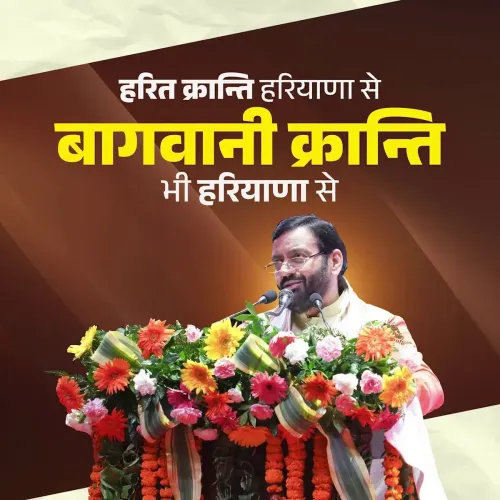
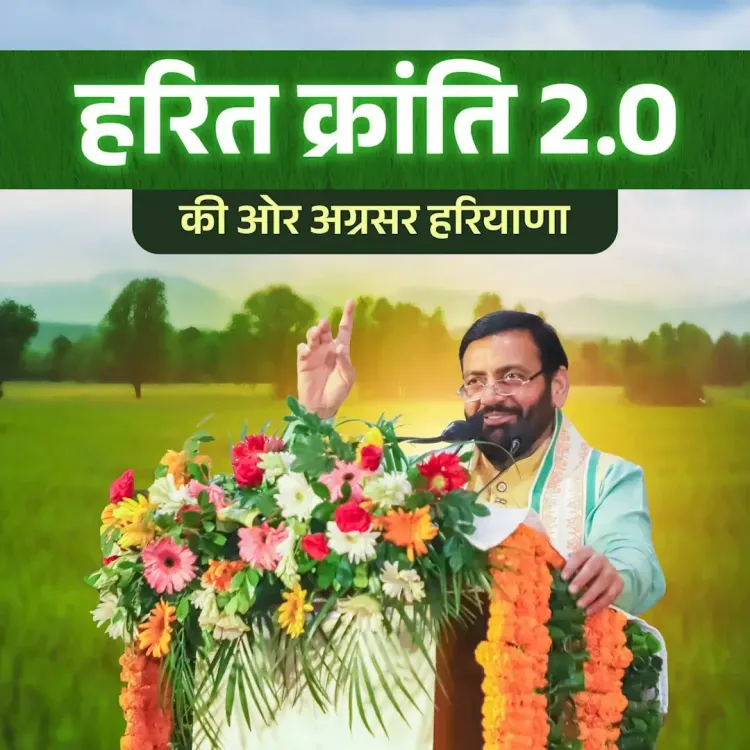
Haryana CM Nayab Singh Saini has invoked the state's 'Harit Kranti 2.0' resolve, calling for farming practices that boost farmer incomes and restore soil fertility — signalling a policy pivot away from the input-heavy model of the original Green Revolution.
Key Takeaways
CM Nayab Singh Saini publicly committed Haryana to a 'Harit Kranti 2.0' (Green Revolution 2.0) agricultural vision on 8 July 2026 .
The stated twin goals are increasing farmer incomes and improving soil fertility across Haryana.
Haryana was a primary beneficiary of the original Green Revolution of 1966–67 , but now faces soil degradation and falling water tables from decades of intensive farming.
The initiative aligns with a national policy shift toward sustainable agriculture, crop diversification, and precision farming.
No specific programme documents or budget allocations for 'Harit Kranti 2.0' have been publicly confirmed; concrete schemes are awaited.
Smallholder and marginal farmers in Haryana are the primary intended beneficiaries of any resulting policy measures.
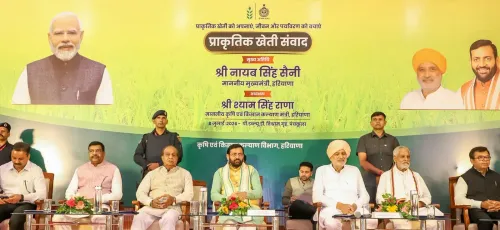
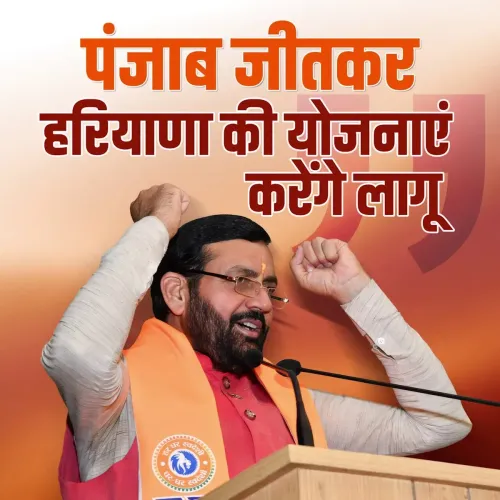
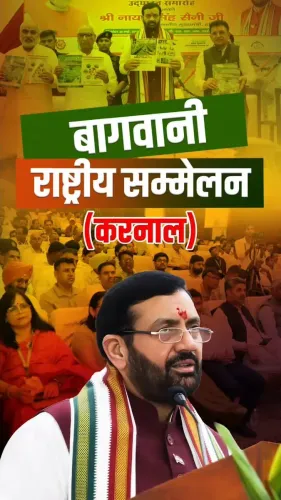
Haryana Chief Minister Nayab Singh Saini on Wednesday, 8 July 2026, called for a new model of farming under the state's 'Harit Kranti 2.0' (Green Revolution 2.0) resolve — one aimed at raising farmer incomes and restoring soil fertility across Haryana.
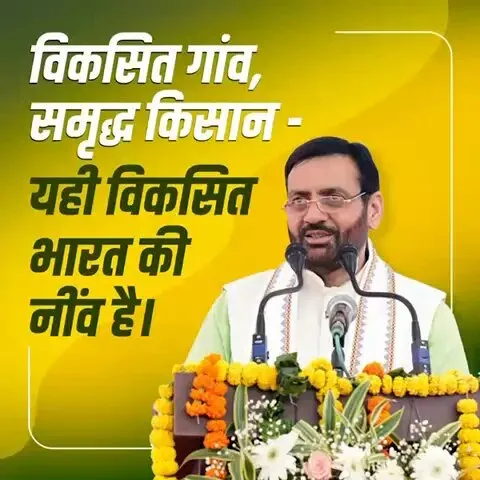
Posting on X, CM Saini stated: 'Haryana 'Harit Kranti 2.0' ke sankalp ke tahat humein aisi kheti karni hai, jo kisan bhaion ki aay ko badhaye aur bhoomi ko adhik upjaau banaye' — ('Under the resolve of Haryana's Green Revolution 2.0, we must practise such farming that increases the income of our farmer brothers and makes the land more fertile.')
Context
Haryana was among the foremost beneficiaries of India's original Green Revolution of 1966–67, which introduced high-yielding variety seeds, chemical fertilisers, and expanded irrigation to dramatically increase wheat and rice output. The state became a national breadbasket, but decades of intensive cultivation have taken a heavy toll on its natural resources.
Falling water tables, degraded soil health, and stagnating farmer incomes have emerged as pressing challenges, pushing state governments to rethink the agricultural model that once made them prosperous.
Policy Backdrop
The concept of a 'Green Revolution 2.0' reflects a nationwide policy shift toward sustainable, income-focused agriculture. Central government schemes have increasingly emphasised crop diversification, soil-health cards, micro-irrigation, and precision farming as correctives to the environmental costs of the first Green Revolution.
CM Saini's articulation of this resolve signals that Haryana intends to align its state agricultural policy with this broader national direction — moving away from input-heavy monoculture toward farming practices that are both economically rewarding for cultivators and gentler on the land.
The dual focus — farmer income and soil fertility — directly addresses the two most cited failures of the earlier model: the economic squeeze on smallholders and the ecological degradation of arable land.
Stakeholders and Impact
Haryana's farming community, which depends heavily on wheat-rice rotation, stands at the centre of this initiative. Shifting to more diverse or sustainable cropping systems could affect input suppliers, grain procurement agencies, and rural labour markets across the state.
Smallholder and marginal farmers, who bear the highest costs of soil degradation and are least able to invest in remediation, would be the primary intended beneficiaries if the resolve translates into concrete support schemes. Agricultural scientists and state extension services would also play a critical implementation role.
What's Next
The immediate question is whether CM Saini's statement of resolve will be followed by specific policy instruments — such as state budget allocations, agricultural department guidelines, soil-testing drives, subsidised micro-irrigation rollouts, or crop-diversification incentives — that give 'Harit Kranti 2.0' operational form.
Observers will watch Haryana's upcoming agricultural policy announcements and budget sessions for concrete programme launches that translate this vision into measurable outcomes for the state's farmers and its land.
Point of View
However, the statement remains a resolve rather than a programme — and the distance between the two will define how farmers and opposition parties respond. The move fits a broader BJP pattern of rebranding transformative legacy policies to signal continuity with past success while promising a corrected, modernised version.
NationPress
8 Jul 2026
Frequently Asked Questions
What is Haryana's Green Revolution 2.0?
'Harit Kranti 2.0' or Green Revolution 2.0 is a resolve articulated by Haryana CM Nayab Singh Saini to pursue farming practices that increase farmer incomes and restore soil fertility, moving beyond the input-heavy model of the original 1960s Green Revolution.
What did CM Nayab Singh Saini say about Haryana farming?
On 8 July 2026, CM Saini stated that under Haryana's Green Revolution 2.0 resolve, the state must practise farming that raises the income of farmer brothers and makes the land more fertile.
Why is soil fertility a problem in Haryana?
Decades of intensive wheat and rice cultivation using heavy chemical fertilisers and groundwater irrigation — the legacy of the original Green Revolution — have degraded Haryana's soil health and caused water tables to fall sharply.
What schemes could come under Haryana Green Revolution 2.0?
Potential measures that observers are watching for include soil-testing drives, micro-irrigation subsidies, crop-diversification incentives, and precision-farming support, though no official programme documents have been confirmed yet.
Who benefits from Haryana's Harit Kranti 2.0?
The primary intended beneficiaries are Haryana's farmers, especially smallholders and marginal cultivators who face the highest costs from soil degradation and stagnating incomes under the existing wheat-rice rotation system.