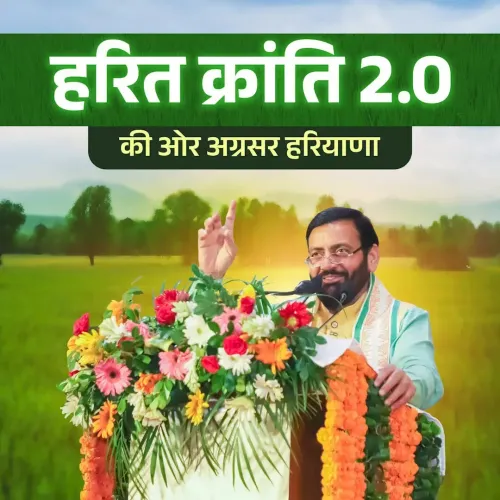
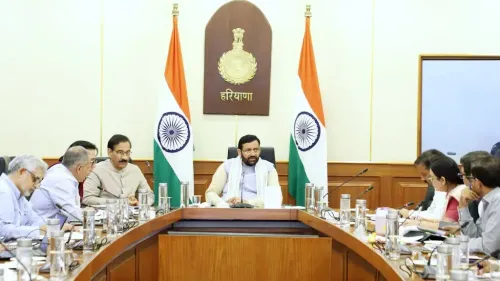
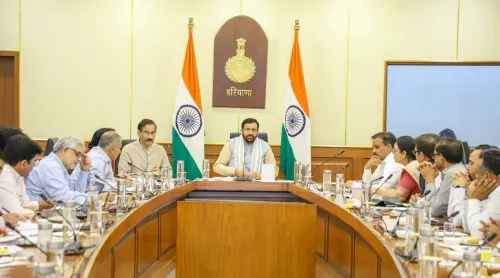
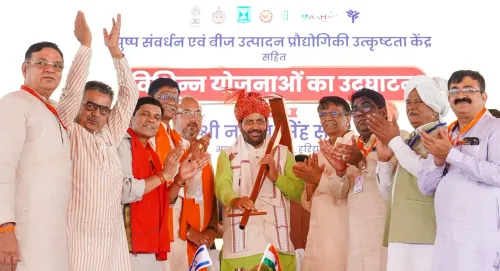
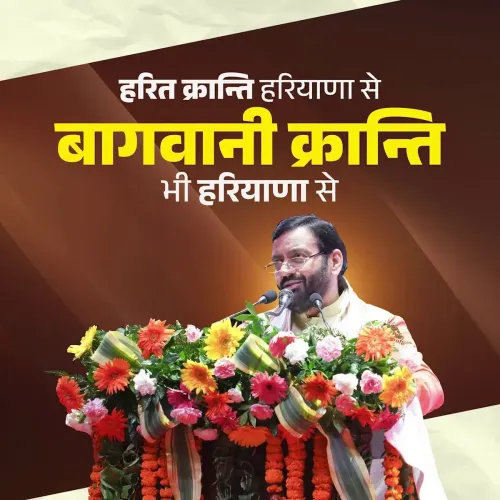
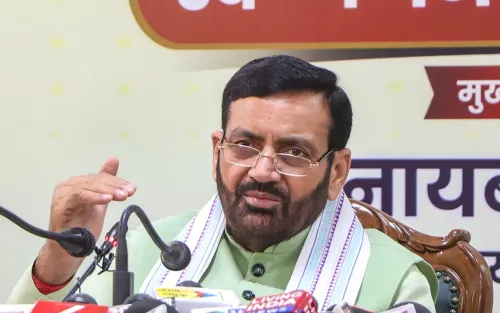
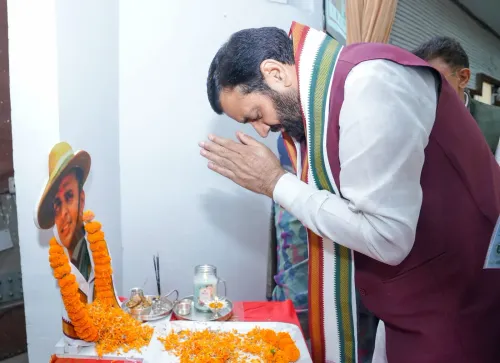
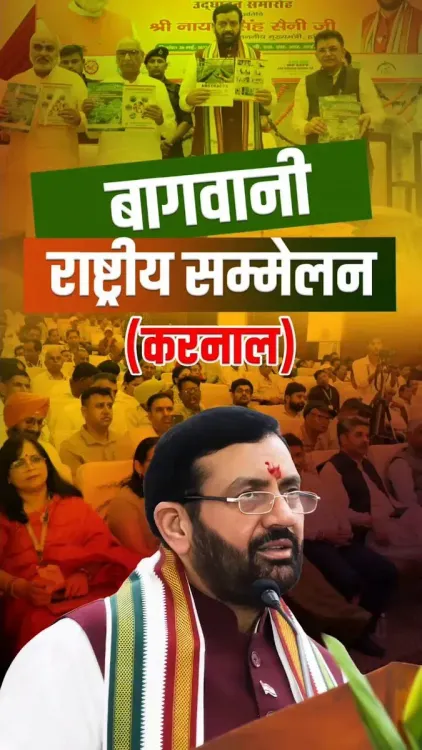
CM Saini at National Horticulture Conference in Karnal
Synopsis
Haryana Chief Minister Nayab Singh Saini attended the National Horticulture Conference in Karnal on 29 May 2026. The event underscores the state's ongoing push to diversify from wheat-paddy farming toward horticulture, backed by the central MIDH scheme, to raise farmer incomes and address groundwater depletion.
Key Takeaways
CM Nayab Singh Saini participated in the National Horticulture Conference ( Bागवानी Rashtriya Sammelan ) in Karnal on 29 May 2026 .
Karnal is a key agricultural research hub in Haryana, home to multiple ICAR institutes.
Haryana has been enrolled in the Mission for Integrated Development of Horticulture (MIDH) since 2014-15 .
The conference aligns with the state's strategy of crop diversification away from the water-intensive wheat-paddy cycle.
Key stakeholders include horticulture farmers , agricultural scientists , and farmer producer organisations (FPOs) .
Post-conference announcements on budget allocations , area-expansion targets, and new MoUs are expected from the state horticulture department.
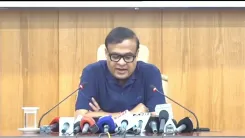
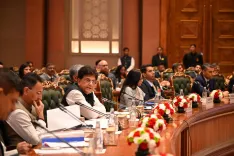
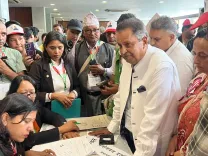
Haryana Chief Minister Nayab Singh Saini attended the Bागवानी Rashtriya Sammelan (National Horticulture Conference) held in Karnal on Friday, 29 May 2026, marking a significant state-level push to advance the horticulture sector across Haryana.
Context
Karnal has long served as a hub for agricultural research and policy dialogue in Haryana, hosting several ICAR institutes and regularly chosen as the venue for national-level farm conferences owing to its robust scientific infrastructure. The National Horticulture Conference brought together horticulture farmers, agricultural scientists, and policy officials to deliberate on expanding the sector's footprint in the state.
Chief Minister Saini, who assumed office in March 2024 succeeding Manohar Lal Khattar, has made agricultural diversification a visible priority of his administration. His presence at the conference signals the state government's continued commitment to horticulture as a pillar of rural economic policy.
Policy Backdrop
Haryana has been a participant in the central government's Mission for Integrated Development of Horticulture (MIDH) since 2014-15, a scheme designed to expand the area under fruits, vegetables, and flowers through subsidised inputs, micro-irrigation support, and market linkage programmes. Successive state budgets have channelled funds under MIDH toward protected cultivation and cluster development in key districts, including Karnal.
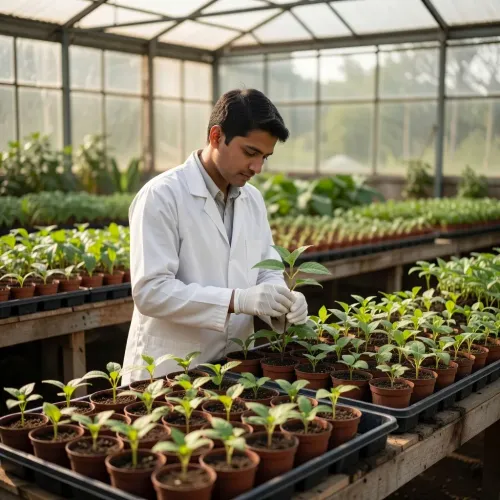
The broader strategic imperative behind these investments is crop diversification — shifting farmers away from the water-intensive wheat-paddy cycle that has contributed to severe groundwater depletion in the state. Horticulture is seen as a viable alternative that can simultaneously raise farmer incomes and reduce pressure on the water table.
Stakeholders and Impact
Horticulture farmers across Haryana stand to benefit most directly from the policy directions discussed at the conference, particularly those in districts already cultivating fruits, vegetables, and floriculture crops. Agricultural scientists and research institutions based in Karnal are key participants, providing evidence-based inputs on variety development, post-harvest management, and precision agriculture.
Farmer producer organisations (FPOs) and agri-businesses engaged in cold-chain logistics and processing are also closely watching the outcomes of such conferences, as new cluster development projects and institutional partnerships are typically announced in their aftermath.
What's Next
Observers will track announcements from the Haryana State Horticulture Department in the days following the conference, including any revised area-expansion targets, fresh budget allocations under MIDH, or new MoUs signed with FPOs and private agri-sector players. The conference's outcomes could shape the state's annual action plan for horticulture for the coming crop season.
If the state follows through with concrete scheme launches or financial commitments, the Karnal conference could mark a meaningful inflection point in Haryana's decade-long effort to rebalance its farm economy away from cereal monoculture toward higher-value horticultural crops.
Point of View
The move signals continuity with the diversification agenda pursued under his predecessor while giving Saini personal ownership of a policy with broad rural appeal. The choice of Karnal — a research-dense district with national visibility — amplifies the political messaging that Haryana is driving, rather than merely following, the Centre's horticulture ambitions. Whether the conference translates into concrete scheme expansions or remains a high-visibility event will be the real test of intent.
NationPress
12 Oct 2026
Frequently Asked Questions
What is the National Horticulture Conference in Karnal about?
The National Horticulture Conference held in Karnal on 29 May 2026 is a policy and research gathering focused on expanding horticulture — fruits, vegetables, and flowers — in Haryana and nationally, attended by CM Nayab Singh Saini alongside farmers and agricultural scientists.
Why is Karnal chosen for agriculture conferences in Haryana?
Karnal hosts several Indian Council of Agricultural Research (ICAR) institutes, giving it strong scientific infrastructure and making it a natural venue for national-level farm policy and research conferences.
What is the Mission for Integrated Development of Horticulture (MIDH)?
MIDH is a central government scheme launched in 2014-15 to expand the area under fruits, vegetables, and flowers through subsidies on micro-irrigation, protected cultivation, and market linkages; Haryana has been a participant since the scheme's inception.
Why is Haryana promoting horticulture over wheat and paddy?
Haryana is encouraging crop diversification from the wheat-paddy cycle primarily to address severe groundwater depletion caused by paddy cultivation and to raise farmer incomes through higher-value horticultural crops.
Who is Nayab Singh Saini?
Nayab Singh Saini is the Chief Minister of Haryana and a BJP leader who assumed office in March 2024, succeeding Manohar Lal Khattar.