CM Saini Pitches Haryana for Horticulture Revolution
Synopsis
Haryana Chief Minister Nayab Singh Saini has declared that the state — the heartland of India's Green Revolution — is now pivoting toward a horticulture revolution. The statement signals a policy push for crop diversification away from the water-intensive paddy-wheat cycle toward higher-value fruits and vegetables.
Key Takeaways
CM Nayab Singh Saini announced on 5 June 2026 that Haryana is moving toward a horticulture revolution.
Haryana was a central beneficiary of India's Green Revolution of 1965–66 , built on wheat and rice cultivation.
The paddy-wheat rotation has contributed to groundwater depletion and stagnating farm incomes, driving diversification efforts.
Horticulture crops — fruits, vegetables, flowers — offer farmers higher market returns than cereal farming alone.
State budget allocations and new horticulture mission frameworks in coming months will be the key test of the policy commitment.
Saini , who became Chief Minister in March 2024 , has positioned agricultural modernisation as a core governance priority.
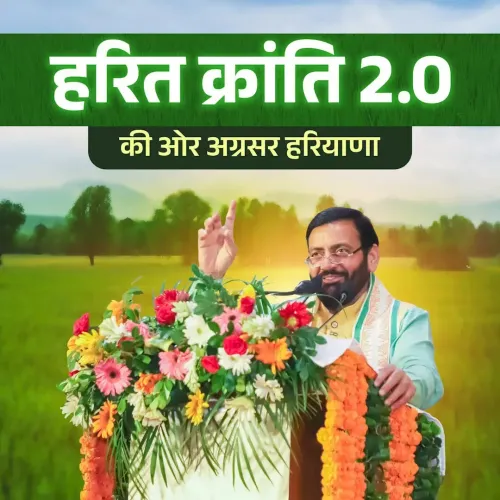
Haryana Chief Minister Nayab Singh Saini on Friday, 5 June 2026, declared that Haryana — long celebrated as the cradle of India's Green Revolution — is now moving decisively toward a horticulture revolution, signalling a strategic shift in the state's agricultural priorities.
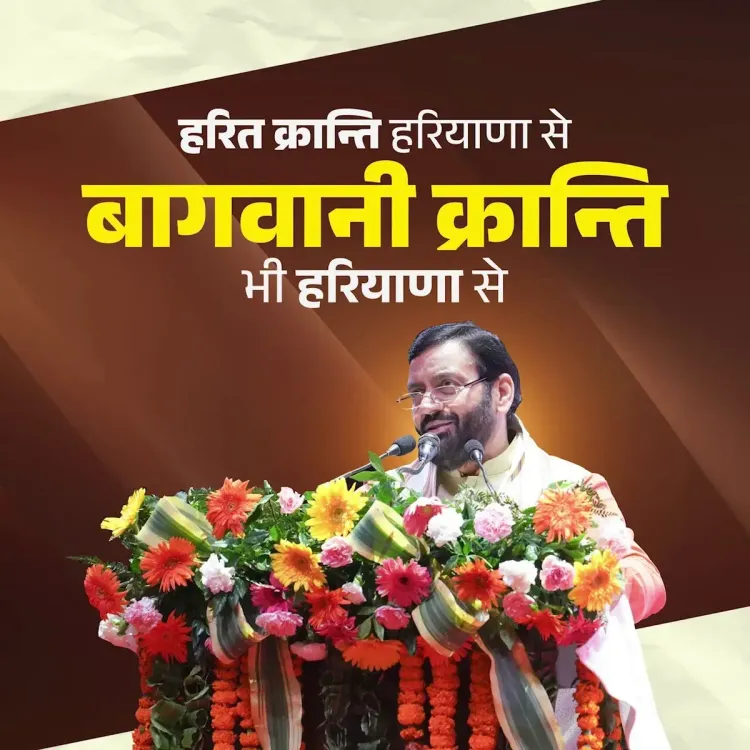
In his post on X, Saini wrote: 'हरित क्रांति की धरती हरियाणा अब बागवानी क्रांति की ओर बढ़ रहा है' ['The land of the Green Revolution, Haryana, is now moving towards a horticulture revolution']. The statement frames the transition not as an abandonment of the state's agrarian legacy but as its natural evolution.
Context
Haryana was among the first states to benefit from India's Green Revolution of 1965–66, which introduced high-yielding seed varieties, chemical fertilisers and expanded irrigation to dramatically raise wheat and rice output. The state became a cornerstone of national food security, and its farmers built their livelihoods around the paddy-wheat rotation cycle. That same model, however, has come under mounting pressure in recent decades due to groundwater depletion, soil degradation and stagnating farm incomes.
Chief Minister Saini, who assumed office in March 2024, has repeatedly emphasised agricultural modernisation as a governance priority. His latest statement places horticulture — fruits, vegetables, flowers and spices — at the centre of that agenda, echoing a policy direction visible across several Indian states.
Policy Backdrop
Crop diversification away from the paddy-wheat cycle has been a recurring recommendation from agricultural economists and policymakers for over two decades. The concern is twofold: the intensive water demands of paddy cultivation are depleting Haryana's groundwater table at an alarming rate, while cereal farming alone does not generate the income levels needed to sustain rural households. Horticulture crops typically command higher market prices and can be processed for value addition, offering farmers a more remunerative alternative.
Several Indian states have launched dedicated horticulture missions backed by subsidies on planting material, cold-chain infrastructure and market linkages. Haryana governments have periodically announced similar measures, and CM Saini's declaration suggests the current administration intends to scale up those efforts into a more coherent, mission-mode push.
Stakeholders and Impact
Haryana's farming community — numbering in the millions — stands as the primary stakeholder. For smallholder and marginal farmers still locked into cereal cultivation, a credible horticulture push would require accessible credit, assured procurement or market linkages, and technical support for crop transition. Without these, the shift risks remaining aspirational rather than transformative.
Horticulture growers already operating in the state stand to gain from enhanced policy attention, better infrastructure and potential export facilitation. Agri-processing industries and cold-chain logistics firms could also see expanded opportunity if the state follows through with investment in post-harvest infrastructure.
What's Next
The key indicators to watch will be Haryana's upcoming state budget allocations for horticulture, any new mission frameworks or subsidy structures announced by the government, and the targets set for area expansion under fruit and vegetable cultivation. Formal policy announcements and scheme launches in the months ahead will determine whether this declaration translates into ground-level change for farmers across the state.
If the administration backs its rhetoric with sustained investment and institutional support, Haryana could emerge as a model for how Green Revolution states navigate the transition to higher-value, more sustainable agriculture — a challenge with implications far beyond the state's borders.
Point of View
Designed to lend the same sense of historic urgency to crop diversification. It fits a broader BJP governance pattern of framing agricultural reform as transformative nation-building rather than incremental policy adjustment. The real political test, however, lies in delivery: Haryana farmers have heard diversification promises before, and without concrete subsidy structures, procurement guarantees and cold-chain investment, the declaration risks being absorbed into a long line of unfulfilled agrarian pledges. How the state budget responds will signal whether this is a strategic shift or a seasonal talking point.
NationPress
21 Oct 2026
Frequently Asked Questions
What did Haryana CM Nayab Singh Saini say about horticulture?
CM Nayab Singh Saini declared on 5 June 2026 that Haryana, the land of the Green Revolution, is now moving toward a horticulture revolution, signalling a policy shift toward fruits and vegetables over the traditional paddy-wheat cycle.
Why does Haryana want to shift from the Green Revolution model?
The paddy-wheat rotation that defined Haryana's Green Revolution success has led to severe groundwater depletion and relatively stagnant farm incomes. Horticulture crops offer higher market value and lower water demands, making diversification an economic and environmental priority.
What is the horticulture revolution in Haryana?
The horticulture revolution refers to a state-level push to shift Haryana farmers away from cereal cultivation toward fruits, vegetables, flowers and spices, which command higher prices and can support agri-processing and export industries.
Who is Nayab Singh Saini?
Nayab Singh Saini is a BJP leader who has served as Chief Minister of Haryana since March 2024. He has prioritised agricultural modernisation and rural development as key planks of his administration.
What was the Green Revolution in Haryana?
The Green Revolution, launched in India in 1965–66, transformed Haryana into a major wheat and rice producer through high-yielding seed varieties, fertilisers and expanded irrigation, making the state a pillar of national food security.