CM Bhajan Lal condoles death of Rajasthan Ratna Kesari Chand Malu

Synopsis
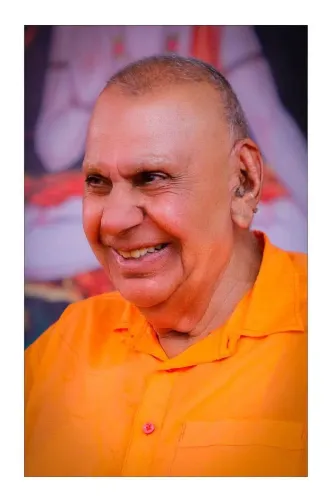
Rajasthan Chief Minister Bhajan Lal Sharma paid tribute to Kesari Chand Malu, founder of Veena Cassettes and Rajasthan Ratna awardee, calling his death an irreplaceable loss for art and culture. Malu dedicated his life to preserving and promoting Rajasthani folk music.
Key Takeaways
Rajasthan Chief Minister Bhajan Lal Sharma condoled the death of Kesari Chand Malu on 14 July 2026 .
Malu was the founder of Veena Cassettes , a label credited with popularising Rajasthani folk music through audio recordings.
He was a recipient of the Rajasthan Ratna , the state's highest civilian honour, for his contributions to music and culture.
CM Sharma described his passing as an 'irreplaceable loss' for the world of art and culture.
The Rajasthan Department of Art and Culture may announce a formal state memorial or posthumous recognition.
The future of the Veena Cassettes archive and its digitisation is expected to draw attention from cultural policy circles.
Rajasthan Chief Minister Bhajan Lal Sharma on Tuesday, 14 July 2026, expressed deep grief over the passing of Kesari Chand Malu, founder of Veena Cassettes and recipient of the Rajasthan Ratna award, calling his death an irreplaceable loss for the world of art and culture.
Context
In his post, CM Sharma described Malu as someone who dedicated his entire life to giving Rajasthani folk music and culture a new identity. Translated from Hindi, the Chief Minister wrote: 'Rajasthan ki samridh lok paramparaon, geet-sangeet aur sanskritik virasat ke sanrakshan evam samvardhan mein unka yogdan sadaiv avismarniy rahega' ('His contribution to the preservation and promotion of Rajasthan's rich folk traditions, music and cultural heritage will always be unforgettable'). Sharma also offered prayers for the departed soul and strength to the bereaved family.
Policy Backdrop
The Rajasthan Ratna is the state's highest civilian honour, instituted to recognise distinguished service across fields including music, literature and culture. Successive governments in Rajasthan, across party lines, have maintained a practice of conferring such honours on individuals who document, preserve or popularise regional folk music — treating the safeguarding of oral traditions and cassette-era recordings as part of state cultural policy.
Veena Cassettes, founded by Malu, played a significant role in the pre-digital era by recording and distributing Rajasthani folk songs on audio cassettes, making them accessible to audiences far beyond the state's borders. This commercialisation of folk content is widely credited with preserving compositions that may otherwise have remained confined to oral transmission alone.
Stakeholders and Impact
The passing of Malu is being mourned by folk artists, cultural archivists and music enthusiasts across Rajasthan. His work through Veena Cassettes gave countless folk singers and musicians a platform at a time when state-sponsored recording infrastructure was limited. The tribute from the Chief Minister's office underscores the institutional recognition his contributions had earned at the highest level of state government.
Cultural organisations engaged in the documentation of Rajasthani folk traditions now face the challenge of continuing work that Malu pioneered — cataloguing and preserving a body of recordings that form a significant part of the state's intangible cultural heritage.
What's Next
Attention will now turn to whether the Rajasthan Department of Art and Culture announces a formal state memorial function or any posthumous recognition in honour of Malu's legacy. Given the stature of the Rajasthan Ratna award he held, a formal state tribute would be consistent with precedent. The preservation and digitisation of the Veena Cassettes archive may also emerge as a priority conversation within cultural policy circles in the weeks ahead.
Point of View
The condolence highlights a policy gap: the cassette-era recordings that Veena Cassettes produced remain largely undigitised, raising questions about archival responsibility. How the state responds in the coming weeks will indicate whether this tribute translates into concrete cultural policy action.
NationPress
14 Jul 2026
Frequently Asked Questions
Who was Kesari Chand Malu?
Kesari Chand Malu was the founder of Veena Cassettes and a recipient of the Rajasthan Ratna award, recognised for dedicating his life to the preservation and promotion of Rajasthani folk music and culture.
What is Veena Cassettes?
Veena Cassettes was a music label founded by Kesari Chand Malu that recorded and distributed Rajasthani folk songs on audio cassettes, playing a key role in making regional folk music accessible to wider audiences.
What is the Rajasthan Ratna award?
The Rajasthan Ratna is the state's highest civilian honour, conferred on individuals for distinguished service in fields such as music, literature, culture and public life.
Why did CM Bhajan Lal Sharma pay tribute to Kesari Chand Malu?
CM Bhajan Lal Sharma paid tribute because Malu was a Rajasthan Ratna awardee who made an exceptional contribution to Rajasthani folk music and cultural heritage through his work with Veena Cassettes.
What happens to the Veena Cassettes archive after Kesari Chand Malu's death?
The future of the Veena Cassettes archive is uncertain, and cultural organisations and the Rajasthan Department of Art and Culture may be expected to address its preservation and possible digitisation.