CM Saini Invokes Ancient Sanskrit Verse on Earth as Mother
Synopsis
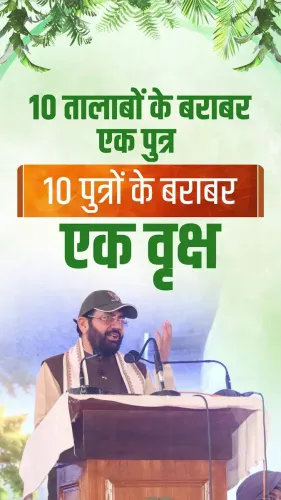
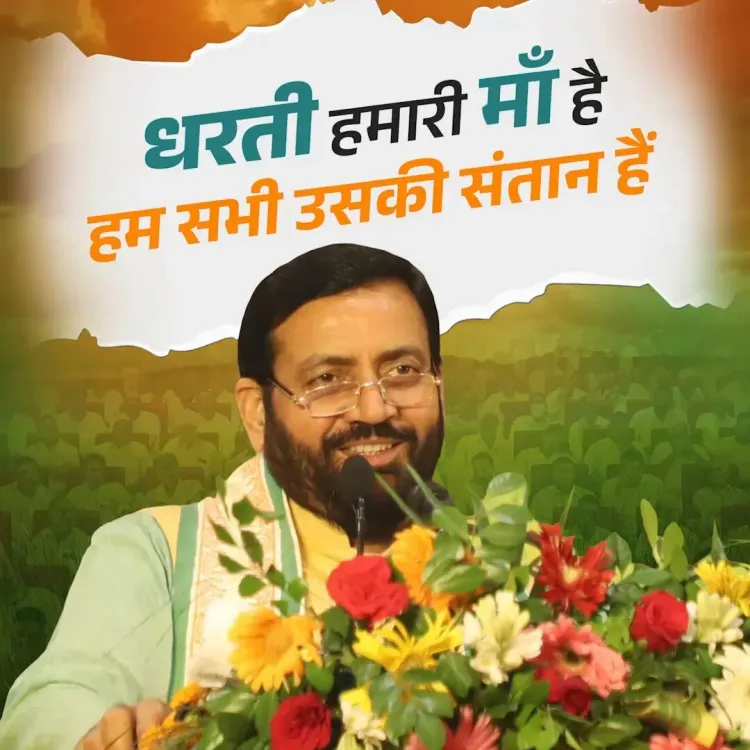
Haryana Chief Minister Nayab Singh Saini invoked the Atharva Veda's celebrated 'Mata Bhumih' verse on X, declaring that Indian culture regards the earth as a mother. The post, accompanied by a video, blends civilisational heritage with the agrarian and environmental identity central to Haryana's political landscape.
Key Takeaways
CM Nayab Singh Saini posted a Sanskrit-Hindi message on 8 July 2026 quoting the Atharva Veda's Bhumi Sukta .
The verse 'Mata bhumih putro'ham prithivyah' translates as 'The earth is my mother, I am her son.' The post affirmed that in Indian culture , the earth is revered as a mother, not merely as soil.
A video was attached to the post, indicating a curated audio-visual presentation of the theme.
The message connects to ongoing discourse around soil health, land stewardship , and cultural nationalism in Haryana .
No specific policy announcement accompanied the post; observers await possible follow-through initiatives.
Haryana Chief Minister Nayab Singh Saini on Wednesday, 8 July 2026, shared a Sanskrit verse from the Atharva Veda on X, invoking the ancient Indian philosophical bond between humanity and the earth. The post, written in Sanskrit and Hindi, affirmed that in Indian culture, the earth is not mere soil but a mother — a sentiment rooted in one of civilisation's oldest scriptural traditions.
Context
The verse 'Mata bhumih putro'ham prithivyah' — meaning 'The earth is my mother, I am her son' — is drawn from the Atharva Veda's Bhumi Sukta, one of the earliest known hymns dedicated to the earth. CM Saini paired it with a Hindi affirmation: 'Bharatiya sanskriti mein dharti keval mitti nahin, hamari maan hai' ('In Indian culture, the earth is not merely soil, she is our mother'). The post carried a video, suggesting a curated audio-visual presentation of the theme.
The choice of this verse places the message squarely within the framework of cultural nationalism and reverence for nature that the Bharatiya Janata Party frequently foregrounds in its public communication. It also resonates with ongoing national conversations around environmental stewardship, land rights, and the agrarian identity of states like Haryana.
Policy Backdrop
Haryana is a predominantly agrarian state where the relationship between farmers and land carries deep economic and emotional weight. The Bhumi Sukta verse has historically been cited in policy discourse around soil conservation, organic farming promotion, and natural resource protection. At a time when land acquisition, soil health, and sustainable agriculture remain live political issues in the state, the invocation of this verse carries layered significance.
The BJP-led government in Haryana has in recent years aligned several flagship schemes — including soil health cards and natural farming initiatives — with the broader cultural argument that land stewardship is a civilisational duty, not merely an economic one. CM Saini's post reinforces that narrative without making a specific policy announcement.
Stakeholders and Impact
The message is likely to resonate with Haryana's farming communities, who constitute a significant portion of the state's electorate and for whom land is both livelihood and identity. By anchoring the sentiment in Vedic scripture, the Chief Minister also speaks to a broader constituency that values the assertion of Indian civilisational heritage in public life.
Environmentalists and soil-conservation advocates may read the post as an endorsement of ecological sensitivity, even if no concrete programme is announced. Cultural organisations aligned with the promotion of Sanskrit and Vedic literature are also a natural audience for such messaging.
What's Next
It remains to be seen whether this post precedes a formal government initiative — such as a land or soil conservation drive, a cultural event, or an environmental campaign — or stands as a standalone expression of philosophical values. Given that the post included a video, a more detailed audio-visual communication on the theme may follow through official government channels. Observers will watch for any policy or programmatic follow-through that translates the ancient verse's sentiment into governance action in Haryana.
Point of View
Invoking the Bhumi Sukta is politically astute: it frames land not as a resource to be administered but as a sacred trust to be honoured. The accompanying video suggests this is more than a casual tweet; it may be the opening of a broader campaign around soil conservation, natural farming, or a cultural milestone. Analysts will note that such messaging tends to precede either a policy rollout or a significant state-level event where the philosophical framing provides the ideological scaffolding.
NationPress
7 Oct 2026
Frequently Asked Questions
What does 'Mata Bhumih Putro Aham Prithivyah' mean?
It is a Sanskrit verse from the Atharva Veda's Bhumi Sukta meaning 'The earth is my mother, I am her son.' Haryana CM Nayab Singh Saini quoted it on X on 8 July 2026 to affirm the Indian cultural view of earth as a mother figure.
Why did Haryana CM Nayab Singh Saini post about the earth being a mother?
CM Saini shared the ancient Vedic verse to highlight the Indian civilisational tradition of revering the earth as a mother, not merely as soil. The post aligns with BJP's broader cultural nationalism messaging and Haryana's agrarian identity.
What is the Bhumi Sukta in the Atharva Veda?
The Bhumi Sukta is one of the oldest known hymns dedicated to the earth, found in the Atharva Veda. It celebrates the earth as a living, nurturing mother and is frequently cited in Indian discourse on environmental stewardship and land reverence.
What is Nayab Singh Saini's position?
Nayab Singh Saini is the Chief Minister of Haryana and a leader of the Bharatiya Janata Party (BJP). He has been at the helm of the Haryana state government and regularly engages with cultural and policy themes on social media.
Is there a new government scheme linked to Saini's earth-mother post?
No specific scheme or policy announcement accompanied the post as of 8 July 2026. However, the message and an attached video suggest a possible forthcoming initiative around soil conservation, natural farming, or a cultural campaign in Haryana.