CM Saini Hails Haryana-Punjab as One Soul, One Culture
Synopsis
Haryana Chief Minister Nayab Singh Saini declared Haryana and Punjab as 'one soul, one culture, one heritage' in a June 7, 2026 post on X. The statement, rooted in the shared legacy predating the 1966 bifurcation, signals cultural goodwill between the two states amid occasional inter-state tensions over water and territory.
Key Takeaways
CM Nayab Singh Saini posted on June 7, 2026 calling Haryana and Punjab 'one soul, one culture, one heritage.' Haryana was created from undivided Punjab under the Punjab Reorganisation Act of 1966 , but the two states retain deep cultural ties.
The statement fits a broader BJP pattern of emphasising cultural oneness in the region to reinforce national unity messaging.
Inter-state tensions — particularly over river-water sharing — give cultural solidarity statements added political weight.
Border communities, folk-cultural organisations, and political constituencies in both states are the primary audience for such outreach.
Possible joint cultural events or bilateral engagements may follow as a concrete expression of the goodwill signalled.
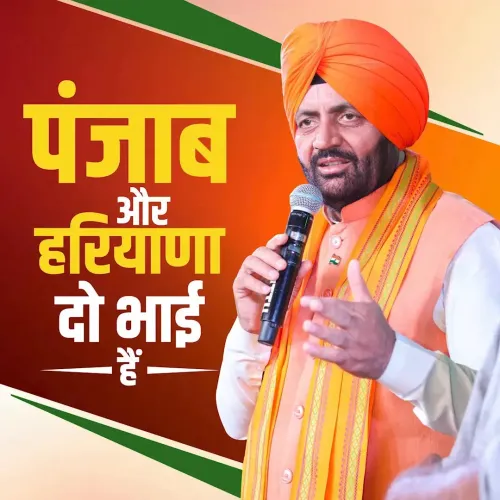
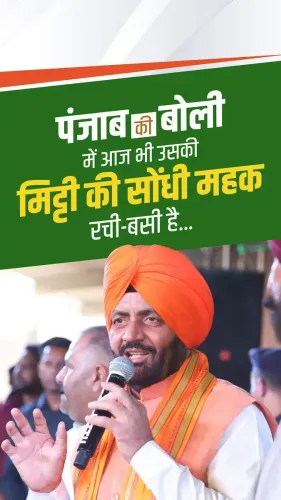
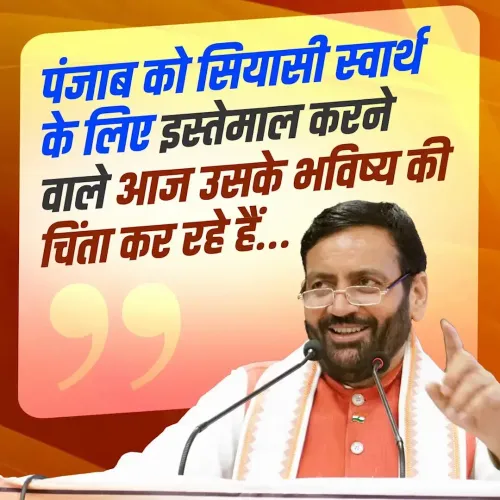
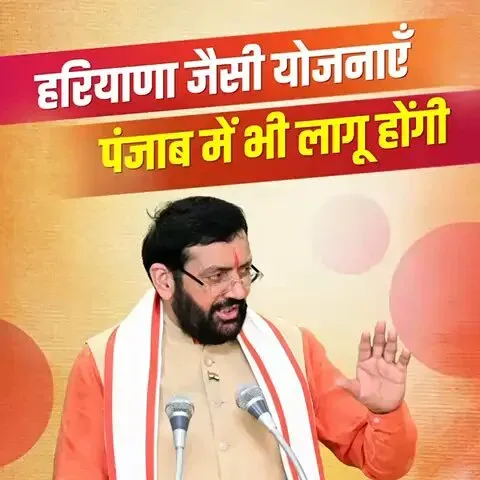
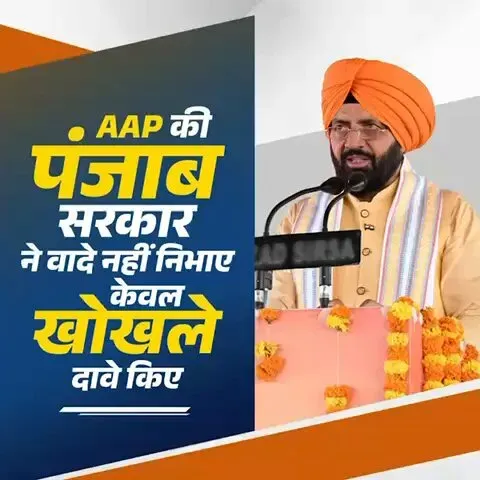
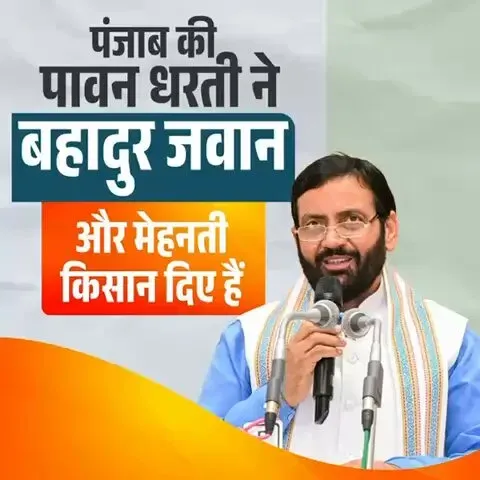
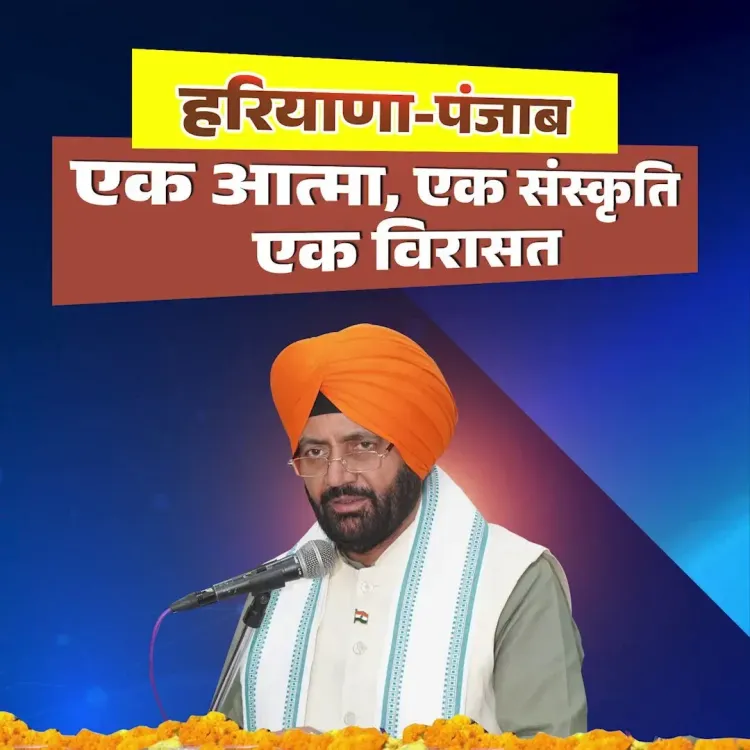
Haryana Chief Minister Nayab Singh Saini on Sunday, June 7, 2026, invoked the deep cultural bond between Haryana and Punjab, describing the two neighbouring states as sharing one soul, one culture, and one heritage. The message, posted in Hindi on his official X account, was accompanied by a video and drew attention to the enduring social ties that predate the two states' political separation.
Context
In his post, CM Saini wrote: 'हरियाणा-पंजाब... एक आत्मा, एक संस्कृति, एक विरासत!' — translated as 'Haryana-Punjab... one soul, one culture, one heritage!' The brevity of the message was deliberate, leaning on shared cultural memory rather than political argument. The attached video, whose contents could not be independently verified, is understood to reinforce the cultural theme.
Haryana was carved out of the former undivided Punjab state under the Punjab Reorganisation Act of 1966, creating two separate administrative units. Despite the bifurcation, the two states share overlapping languages, festivals, agricultural traditions, and kinship networks that continue to bind their populations.
Policy Backdrop
The statement fits a recognisable pattern among regional leaders, particularly from the BJP, of periodically emphasising cultural continuity between Haryana and Punjab to reinforce a sense of social cohesion. Such messaging serves as a counterweight to occasional friction between the two states over contentious issues such as river-water sharing and territorial boundaries.
The Sutlej-Yamuna Link (SYL) canal dispute has historically been the most prominent source of inter-state tension, making statements of cultural solidarity politically significant when they appear. By foregrounding shared heritage, CM Saini signals goodwill toward Punjab without entering the contested terrain of resource disputes.
Stakeholders and Impact
Border communities and cultural organisations in both states are the most immediate audience for such messaging. Residents of districts like Ambala, Panchkula, and Sirsa in Haryana, which share close social ties with adjoining Punjab districts, are particularly attuned to signals of inter-state harmony. Cultural groups that organise joint folk festivals, literary events, and agricultural fairs across the two states also stand to benefit from an atmosphere of goodwill reinforced by senior political figures.
For the BJP — which governs Haryana but is in opposition in Punjab — such outreach also carries electoral undertones, helping the party project a unifying, culturally inclusive identity in a region where identity politics runs deep.
What's Next
Observers will watch for whether CM Saini's statement translates into concrete steps: joint cultural events, bilateral meetings, or coordinated government programmes celebrating shared Haryanvi-Punjabi heritage. The coming months may see state-level engagements that use cultural diplomacy as a foundation for addressing more contentious bilateral issues. If the goodwill signalled here is followed by institutional action, it could mark a modest but meaningful shift in the tenor of Haryana-Punjab relations.
Point of View
Maximal in symbolism. By invoking a pre-partition, pre-bifurcation sense of shared identity, he sidesteps the divisive specifics of water disputes and territorial claims while still signalling openness toward Punjab. For the BJP, which governs Haryana but remains in opposition in Punjab, this kind of cultural outreach is a low-cost, high-visibility way to build goodwill across the border. The broader pattern suggests such statements often precede or accompany inter-state engagements, making this worth watching as a potential signal of upcoming bilateral activity.
NationPress
22 Sept 2026
Frequently Asked Questions
Why did Haryana CM Nayab Singh Saini post about Haryana-Punjab unity?
CM Saini invoked the shared cultural, linguistic, and social heritage of Haryana and Punjab , describing them as 'one soul, one culture, one heritage,' in a message aimed at reinforcing goodwill between the two neighbouring states.
When were Haryana and Punjab separated into different states?
Haryana was carved out of the former undivided Punjab state on November 1, 1966 , under the Punjab Reorganisation Act of 1966 , creating two separate administrative units that continue to share deep cultural ties.
What are the main disputes between Haryana and Punjab?
The most prominent source of tension between Haryana and Punjab is the Sutlej-Yamuna Link (SYL) canal dispute over river-water sharing, alongside occasional disagreements over territorial boundaries.
Who is Nayab Singh Saini?
Nayab Singh Saini is a BJP leader who has served as Chief Minister of Haryana since March 2024 .
What does 'ek aatma, ek sanskriti, ek virasat' mean?
The Hindi phrase 'एक आत्मा, एक संस्कृति, एक विरासत' translates to 'one soul, one culture, one heritage' — the expression CM Saini used to describe the bond between Haryana and Punjab .