CM Saini Hails Punjab-Haryana Bond of Brotherhood
Synopsis
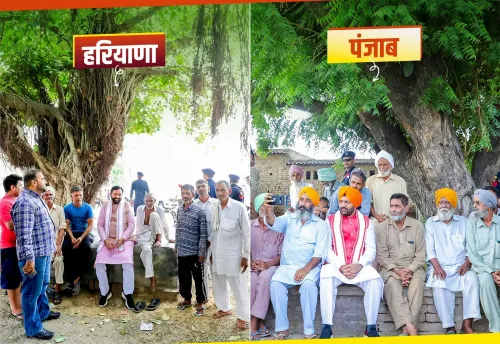
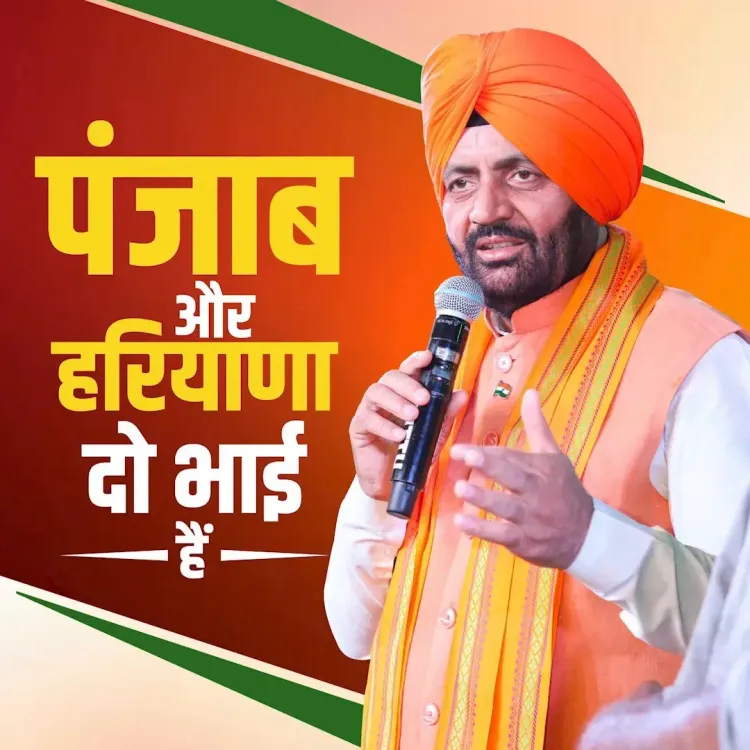
Haryana Chief Minister Nayab Singh Saini on 20 July 2026 publicly described the Punjab-Haryana bond as one of brotherhood and affection, invoking the deep cultural unity that predates the two states' separation under the 1966 Punjab Reorganisation Act.
Key Takeaways
CM Nayab Singh Saini posted on 20 July 2026 that Punjab and Haryana share a bond of brotherhood and affection, not merely geographic proximity.
Haryana was created from the then-undivided Punjab on 1 November 1966 under the Punjab Reorganisation Act .
Both states share Chandigarh as their joint capital and maintain common cultural, linguistic, and agricultural traditions.
Periodic disputes, including the long-standing Sutlej-Yamuna Link canal row, make public affirmations of inter-state goodwill politically significant.
CM Saini has consistently projected regional harmony with neighbouring states since taking office in July 2024 .
Possible bilateral meetings on water-sharing and agriculture, as well as joint cultural events around Haryana Foundation Day , are being watched as follow-up steps.
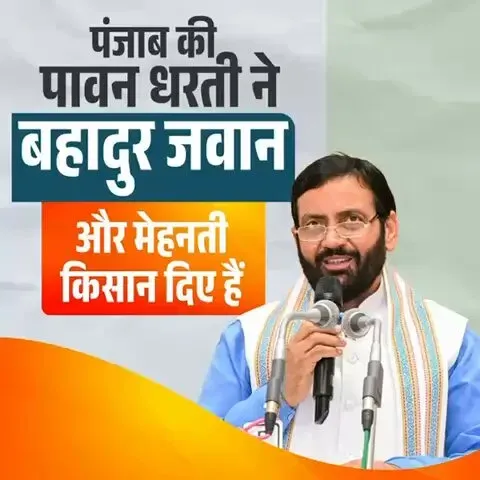
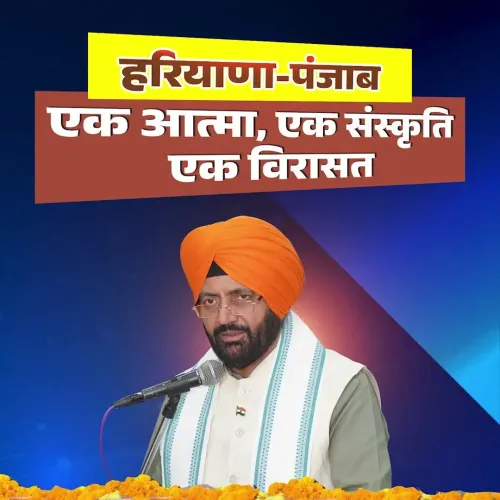
Haryana Chief Minister Nayab Singh Saini on Monday, 20 July 2026, invoked the deep cultural and fraternal ties between Haryana and Punjab, describing the relationship between the two neighbouring states as one not merely of geographic proximity but of brotherhood and affection.
Context
In his post on X, CM Saini wrote: 'Punjab aur Haryana ka rishta kewal padosi raajyon ka nahin, balki bhaichaare aur aatmiyata ka hai' — ('The relationship between Punjab and Haryana is not merely that of neighbouring states, but of brotherhood and affection'). The statement is a pointed articulation of shared identity that transcends administrative boundaries.
The sentiment carries particular historical weight. Haryana was carved out of the then-undivided Punjab on 1 November 1966 under the Punjab Reorganisation Act, primarily to address linguistic and administrative demands. Despite the political separation, families, farming communities, and cultural traditions remained intertwined across the new border.
Policy Backdrop
The two states have sustained joint participation in agricultural marketing and shared cultural festivals since the 1966 reorganisation, even as periodic disputes — most notably over river-water allocations — have occasionally strained ties. The Sutlej-Yamuna Link (SYL) canal dispute remains an unresolved flashpoint in inter-state relations, making affirmations of goodwill between the two governments politically significant.
CM Saini assumed office in July 2024 following the resignation of Manohar Lal Khattar. His tenure has seen the BJP-led Haryana government consistently project a posture of regional harmony with neighbouring states, consistent with the broader federal cooperative framework that New Delhi encourages among state administrations.
Stakeholders and Impact
The most direct stakeholders in Punjab-Haryana relations are the millions of farmers and rural residents who straddle the cultural and economic landscape of both states. Shared agricultural practices, common dialects, and cross-border family ties mean that the political temperature between Chandigarh — the joint capital of both states — and Panchkula has tangible effects on everyday life.
Statements of fraternal solidarity from senior leaders like CM Saini help set a cooperative tone that can ease negotiations on shared resources, infrastructure projects, and trade corridors. Residents of border districts in particular benefit when the administrative relationship between the two state governments remains cordial.
What's Next
Observers will watch for whether CM Saini's public expression of goodwill is followed by concrete bilateral engagements — including possible meetings between the chief ministers of Punjab and Haryana on pending water-sharing or agricultural coordination issues. Joint cultural events tied to the 1 November Haryana Foundation Day, which also marks the anniversary of the states' separation, could provide a natural platform for further inter-state outreach in the coming months.
Point of View
Signalling cooperative intent to the Punjab administration, and reinforcing the BJP's image as a party that champions cultural unity in the Hindi heartland. The statement fits a well-worn template used by northern state leaders to project harmony while structural disputes like the SYL canal issue remain unresolved. Its timing, absent any announced bilateral agenda, suggests it is as much about tone-setting as about policy. Whether it translates into concrete inter-state cooperation will be the real measure of its significance.
NationPress
20 Oct 2026
Frequently Asked Questions
What did Haryana CM Nayab Singh Saini say about Punjab?
CM Nayab Singh Saini said on 20 July 2026 that the relationship between Punjab and Haryana is not merely that of neighbouring states but one of brotherhood and affection.
Why are Punjab and Haryana considered closely linked states?
Punjab and Haryana were a single undivided state until 1 November 1966, when the Punjab Reorganisation Act created Haryana as a separate entity. The two states share Chandigarh as their joint capital, along with common cultural traditions, dialects, and agricultural practices.
Who is Nayab Singh Saini?
Nayab Singh Saini is a BJP leader who became the Chief Minister of Haryana in July 2024, succeeding Manohar Lal Khattar.
What is the main dispute between Punjab and Haryana?
The most prominent ongoing dispute between Punjab and Haryana is over the Sutlej-Yamuna Link canal, which concerns the sharing of river waters between the two states.
When was Haryana formed from Punjab?
Haryana was formed on 1 November 1966 under the Punjab Reorganisation Act, which divided the then-undivided Punjab state primarily along linguistic lines.