J&K govt withdraws 'Great Personalities' book from schools, orders probe
Synopsis
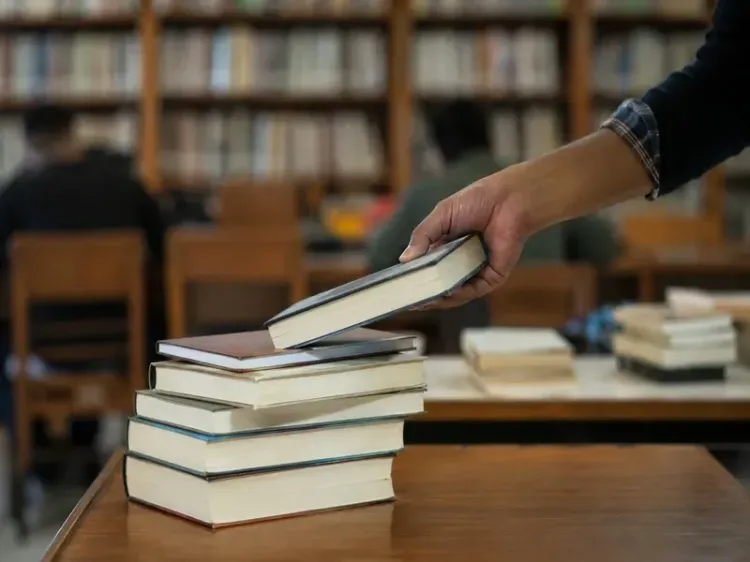
A book titled 'Great Personalities and Legends', distributed to J&K government school libraries under the Samagra Shiksha Scheme, was withdrawn on 3 July 2026 after allegations it glorified separatists and terrorists. Formal proceedings are now underway against every official in the approval and distribution chain — with UAPA implications potentially in play.
Key Takeaways
The J&K government ordered withdrawal of the book 'Great Personalities and Legends' from all government school libraries on 3 July 2026 .
The book was supplied under the Samagra Shiksha Scheme in June 2026 and allegedly portrayed separatist leaders and terrorists as regional heroes.
Commissioner/Secretary Ram Niwas Sharma confirmed proceedings have been initiated against all officials involved in the book's publication, approval, procurement, and distribution.
Leader of Opposition Sunil Sharma demanded a high-level probe and the sacking of the Education Minister .
Under the UAPA , distributing literature for a declared unlawful organisation can attract serious criminal charges, though courts require proof of actionable intent.
The Jammu and Kashmir government on Saturday, 5 July 2026, ordered the immediate withdrawal of a controversial book allegedly glorifying separatists and terrorists from government school libraries, and initiated a formal probe against all officials responsible for its approval, procurement, and distribution. The action follows mounting political pressure and public outrage over the book's inclusion under the Samagra Shiksha Scheme.
What the Book Contained and How It Reached Schools
Commissioner/Secretary, J&K School Education Department, Ram Niwas Sharma confirmed to reporters that the publication — titled 'Great Personalities and Legends' — has been recalled from all government schools with immediate effect. According to officials, the book was supplied to school libraries in June 2026 and was withdrawn on 3 July 2026.
'The book has been withdrawn. Action is being taken against all concerned. All copies of the publication have been recalled from schools and proceedings have been initiated against those involved in its publication, approval, procurement and distribution,' Sharma said.
How the Controversy Erupted
The controversy came to light after the Jammu and Kashmir Peoples' Forum (JKPF) alleged that the book, distributed under the centrally-funded Samagra Shiksha Scheme, portrayed separatist leaders and terrorists as 'great personalities' and 'legends' of Jammu and Kashmir. The allegation triggered immediate political backlash across the region.
The issue gained further momentum when Leader of Opposition (LOP) in the Jammu and Kashmir Assembly, Sunil Sharma, raised it at a press conference, alleging the publication promoted an anti-national narrative. Sharma demanded the book's immediate withdrawal, a high-level probe, action against those responsible, and the sacking of the Education Minister.
Legal Dimensions: UAPA and Free Speech
Notably, the controversy carries potential legal weight. Under the Unlawful Activities (Prevention) Act (UAPA), distributing literature on behalf of a terrorist organisation declared an 'unlawful association' can attract severe criminal charges. However, the judiciary has historically set precedents protecting free speech, requiring proof of actionable intent behind literature rather than mere possession or distribution.
This legal tension — between national security imperatives and constitutionally protected expression — is likely to shape the scope and direction of the government's ongoing probe.
Political Fallout and What Comes Next
The government's swift withdrawal decision comes amid widespread criticism from opposition parties and civil society organisations, who alleged the book contained objectionable and anti-national content. The probe is expected to examine the entire chain of custody — from authorship and editorial approval to procurement and library distribution — under the Samagra Shiksha framework.
With formal proceedings now initiated, the outcome of the inquiry is likely to determine whether criminal charges under the UAPA are pursued against those found responsible.
Point of View
While legally complex, signals that the government may be weighing criminal accountability rather than settling for administrative transfers. In a region where narrative control is deeply contested, the episode exposes a dangerous gap between policy intent and on-the-ground execution in J&K's education apparatus.
NationPress
3 Oct 2026
Frequently Asked Questions
Which book was withdrawn by the J&K government from school libraries?
The book titled 'Great Personalities and Legends' was withdrawn from all Jammu and Kashmir government school libraries on 3 July 2026. It had been supplied under the Samagra Shiksha Scheme in June 2026 and was alleged to glorify separatist leaders and terrorists.
Why was the 'Great Personalities and Legends' book controversial?
The Jammu and Kashmir Peoples' Forum alleged the book portrayed separatist leaders and terrorists as 'great personalities' and 'legends' of J&K, promoting what critics called an anti-national narrative. Leader of Opposition Sunil Sharma echoed these concerns at a press conference, demanding immediate action.
What action has the J&K government taken against those responsible?
The government has initiated formal proceedings against all officials involved in the book's publication, approval, procurement, and distribution. Commissioner/Secretary Ram Niwas Sharma confirmed the recall and said action is being taken against all concerned.
Can those involved face charges under the UAPA?
Potentially, yes. Under the Unlawful Activities (Prevention) Act, distributing literature on behalf of a declared unlawful organisation can attract severe criminal charges. However, courts have required proof of actionable intent, which the ongoing probe will need to establish.
Who raised the issue politically and what did they demand?
Leader of Opposition in the J&K Assembly, Sunil Sharma, raised the matter at a press conference, demanding the book's withdrawal, a high-level probe, action against responsible officials, and the sacking of the Education Minister.