Puri receives book on J&K's post-Article 370 transformation
Synopsis
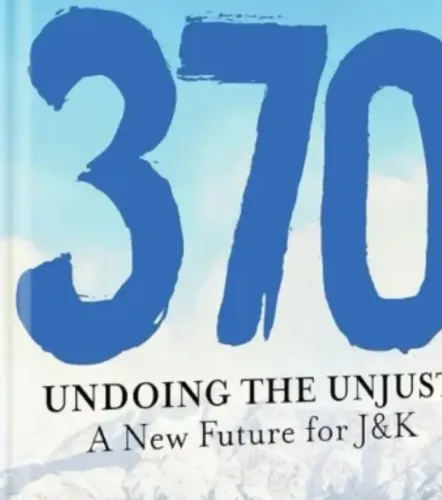
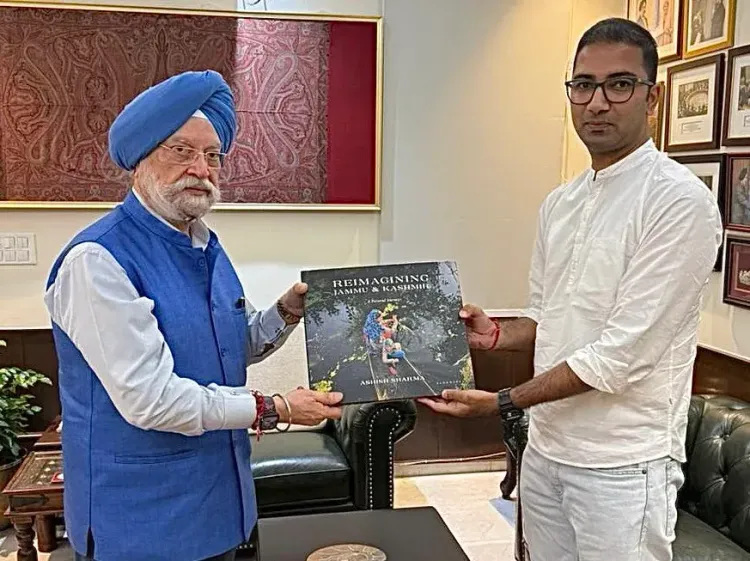
Union Petroleum Minister Hardeep Singh Puri has received a copy of 'Reimagining Jammu and Kashmir: A Pictorial Journey' by photographer Ashish Sharma, praising the book's documentation of the region's transformation since the abrogation of Article 370 on 5 August 2019.
Key Takeaways
Hardeep Singh Puri received photographer Ashish Sharma 's book on 9 June 2026 , endorsing it publicly on X.
The book, 'Reimagining Jammu and Kashmir: A Pictorial Journey' , documents regional change following the revocation of Article 370 on 5 August 2019 .
Puri described the work as capturing the transformation 'with rare authenticity and emotional depth' through powerful visuals and storytelling.
Lieutenant Governor Manoj Sinha was tagged in the post, underlining the book's official resonance.
The endorsement is likely to boost the book's national reach and reinforce the central government's narrative on Jammu and Kashmir 's post-2019 trajectory.
Union Petroleum Minister Hardeep Singh Puri on Tuesday, 9 June 2026, received a copy of 'Reimagining Jammu and Kashmir: A Pictorial Journey', a photo-documentary book by ace photographer Ashish Sharma chronicling the transformation of the Union Territory following the abrogation of Article 370 in 2019.
Context
Puri described the book as drawing on 'years of research, extensive travel, and deep engagement with the region and its people,' capturing what he called a 'historic period with rare authenticity and emotional depth.' He noted that the work offers readers 'a unique perspective on the evolving syncretic and vibrant landscape of Jammu and Kashmir and the lived experiences of its people during a time of significant change.'
The minister also highlighted the book's visual scope, saying it captures 'the breathtaking sights that make Kashmir the Paradise that it is, and everyday moments in the lives of the people as they not only witness the change, but are also the drivers of this change.'
Policy Backdrop
On 5 August 2019, the central government revoked the special status granted to Jammu and Kashmir under Article 370 of the Constitution and passed the Jammu and Kashmir Reorganisation Act, bifurcating the former state into two Union Territories — Jammu and Kashmir, and Ladakh. The move was among the most consequential constitutional changes in post-independence India.
Since then, the central government has pursued administrative integration of the region through expanded central schemes, infrastructure investment, and active tourism promotion. Official messaging has consistently highlighted improvements in governance, security, and economic activity as markers of the transition.
Stakeholders and Impact
Puri tagged Manoj Sinha, the Lieutenant Governor of Jammu and Kashmir, in his post, signalling the book's alignment with the official narrative of regional development. The LG's office has been at the centre of administering the Union Territory since the 2019 reorganisation.
For the residents of Jammu and Kashmir, the book positions ordinary citizens — not just policymakers — as active participants in the region's evolution. The tourism sector, a key economic pillar for the UT, also stands to benefit from the visibility such documentation generates at the national level.
What's Next
The endorsement by a senior Union Cabinet minister is likely to give the book wider national circulation and amplify its central message of post-2019 transformation. Analysts and policymakers will be watching for updated tourism statistics and new centrally sponsored infrastructure announcements for the Union Territory in the coming fiscal year, as the government continues to build its record on Jammu and Kashmir. The book adds to a growing body of visual and narrative documentation that the ruling establishment has actively promoted to frame the region's story since the abrogation.
Point of View
' the messaging seeks to move the narrative from constitutional controversy to grassroots transformation. The tagging of Lieutenant Governor Manoj Sinha further signals that the book carries semi-official imprimatur. Seven years after the abrogation, such cultural-political endorsements suggest the government is actively consolidating its legacy argument on Jammu and Kashmir ahead of any future electoral or administrative milestones.
NationPress
23 Oct 2026
Frequently Asked Questions
What is the book 'Reimagining Jammu and Kashmir: A Pictorial Journey' about?
It is a photo-documentary book by photographer Ashish Sharma that chronicles the transformation of Jammu and Kashmir following the abrogation of Article 370 on 5 August 2019, combining powerful visuals with storytelling about the region and its people.
Why did Hardeep Singh Puri post about this book?
Hardeep Singh Puri, Union Minister of Petroleum and Natural Gas, received a copy of the book and shared his appreciation on X, praising its authenticity and its portrayal of the lived experiences of people in Jammu and Kashmir during a period of significant change.
What was Article 370 and when was it abrogated?
Article 370 granted Jammu and Kashmir special autonomous status within India. It was revoked on 5 August 2019, after which the Jammu and Kashmir Reorganisation Act bifurcated the former state into two Union Territories — Jammu and Kashmir, and Ladakh.
Who is Manoj Sinha and why was he tagged in the post?
Manoj Sinha is the Lieutenant Governor of Jammu and Kashmir, the top administrative authority of the Union Territory since the 2019 reorganisation. His tagging signals the book's alignment with the official narrative of the region's development.
What is the significance of a Cabinet minister endorsing a book on Jammu and Kashmir?
An endorsement by a senior Union Cabinet minister gives the book national visibility and reinforces the central government's broader messaging about governance improvements, security, and economic development in Jammu and Kashmir since the abrogation of Article 370.