JeM plot to disrupt Jantar Mantar rally: Bengal STF arrests two suspects
Synopsis
West Bengal’s STF has uncovered a JeM plot to infiltrate a New Delhi political rally using fake police uniforms — a tactic that blends street-level disruption with cross-border handler networks using British and Mexican SIM cards. Two arrests in Bengal and Jharkhand have opened a trail leading directly to suspected Pakistani operatives, with a sitting Chief Minister named as a target.
Key Takeaways
West Bengal STF disclosed that Jaish-e-Mohammed (JeM) planned to disrupt a CJP rally at Jantar Mantar , New Delhi, by infiltrating the crowd in police uniforms.
Suspected JeM associate Hamim Mondal was arrested from East Burdwan, West Bengal ; aide Arpita Sarkar was arrested from Sahibganj, Jharkhand .
Both suspects were remanded to 14 days of STF custody by a Kolkata court.
West Bengal CM Suvendu Adhikari and cabinet colleague Umesh Rai were reportedly named as JeM targets.
Pakistani social media handles — ‘Rana’, ‘Uzair’, ‘Abid Jat333’, ‘Hamad’ — linked to Shahzad Bhatti’s criminal network were used for radicalisation via encrypted chats.
Handlers reportedly used SIM cards from Britain and Mexico to communicate with Hamim.
The Special Task Force (STF) of West Bengal Police has disclosed that Jaish-e-Mohammed (JeM) had planned to sabotage a protest rally organised by the Cockroach Janata Party (CJP) at Jantar Mantar in New Delhi, according to revelations emerging from the arrest and interrogation of two suspects within the past 24 hours. The disclosure marks a significant counter-terrorism development linking a Pakistan-based terror outfit to a planned disruption of a public political event on Indian soil.
The Arrests
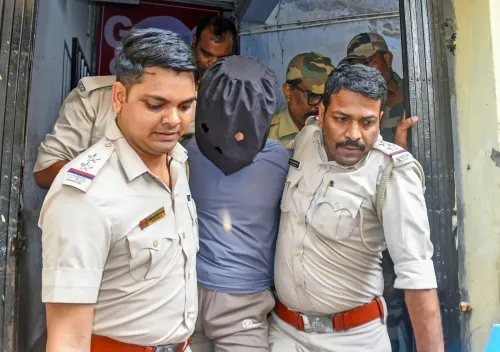
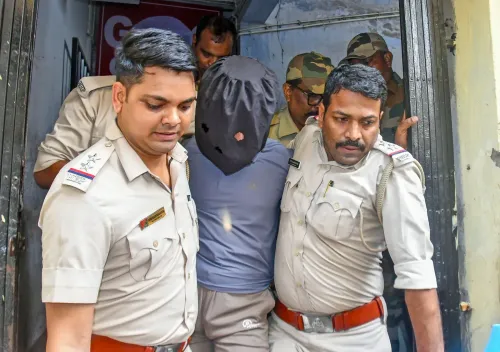
The STF arrested suspected JeM associate Hamim Mondal from Burdwan in East Burdwan district of West Bengal on Friday, and his aide Arpita Sarkar from Sahibganj in neighbouring Jharkhand. Both were subsequently produced before a lower court in Kolkata on Saturday, with Sarkar remanded to 14 days of STF custody. Hamim had earlier been remanded to the same duration of custody on Friday.
The Plot: Police Uniforms and Crowd Infiltration
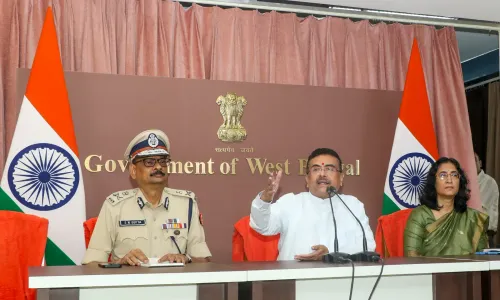
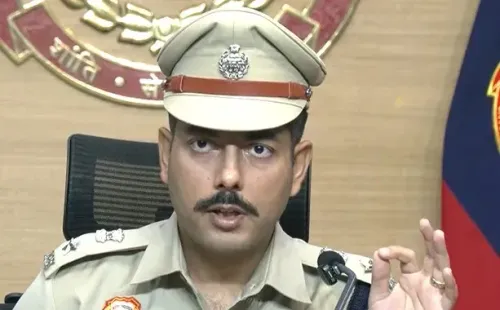
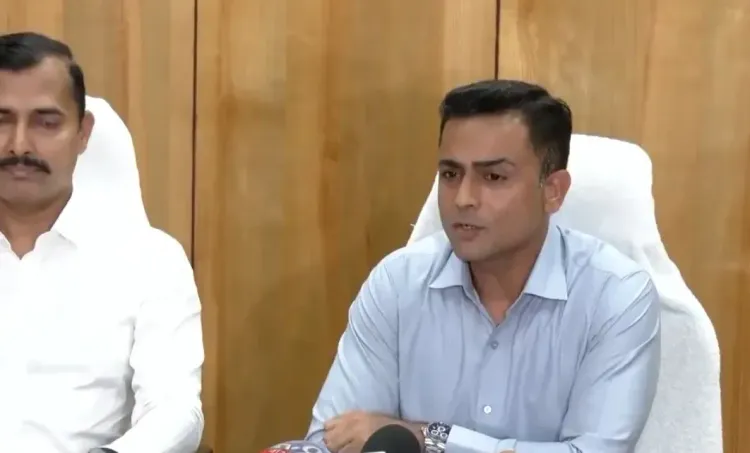
STF Inspector General Gaurav Sharma told reporters that the plan involved procuring police uniforms so that operatives could blend into the crowd at the Jantar Mantar rally while posing as law enforcement personnel, with the intent of triggering chaos. “There were plans to procure police uniforms for this purpose, so that they could mix with the crowd posing as cops and thus create chaos. However, it is not clear whether Hamim or Sarkar went to Jantar Mantar or not, or whether they were ultimately successful in procuring police uniforms,” Sharma said.
Sharma also confirmed that some police officers and other politicians were among the targets of Hamim and his associates. It was revealed immediately after Hamim’s arrest that West Bengal Chief Minister Suvendu Adhikari and his cabinet colleague Umesh Rai were also named as targets of JeM.
Pakistani Handlers and Social Media Network
According to police sources, interrogation of Hamim led investigators to several social media handles — identified as ‘Rana’, ‘Uzair’, ‘Abid Jat333’, and ‘Hamad’ — all of which are believed to belong to Pakistani handlers. Officials said these handles were suspected to be linked to the criminal network of Pakistani gangster Shahzad Bhatti, and were used to spread fundamentalist propaganda and radicalise youth.
Hamim reportedly contacted these handles over the past two to three months, initially through Instagram, and later via WhatsApp and Telegram. Officials confirmed that Hamim was reached from Pakistan through encrypted communications, and that the Pakistani handles reportedly used SIM cards from Britain and Mexico to obscure their tracks.
How the Trail Led to Sarkar
Sharma explained that the investigation began after intelligence surfaced about a plan to honeytrap a senior politician in Howrah and kidnap his son. “Based on that, suspicion fell on a social media handle in Sahibganj. The handle belonged to Arpita Sarkar,” he said. STF sleuths then traced Sarkar’s social media activity to Hamim, who had been in contact with her for the past four years — first connecting on social media before meeting in person. “It was revealed Hamim had tried to spread the network using Arpita,” Sharma added.
What Comes Next
Both suspects remain in STF custody as investigators continue to map the full extent of the network. The case points to a cross-border radicalisation pipeline using encrypted platforms and foreign SIM cards, raising broader questions about digital surveillance gaps. Security agencies are expected to pursue further leads from the Pakistani social media handles identified during interrogation.
Point of View
Exploiting encrypted platforms that remain largely beyond domestic surveillance reach. The naming of a sitting Chief Minister as a target raises the political stakes considerably, but investigators have yet to publicly detail the evidence chain. The bigger systemic question is how a four-year-long contact between a suspected operative and his handler went undetected until a honeytrap tip surfaced.
NationPress
16 Sept 2026
Frequently Asked Questions
What was the JeM plot at Jantar Mantar?
According to the West Bengal STF, Jaish-e-Mohammed planned to disrupt a CJP protest rally at Jantar Mantar in New Delhi by having operatives wear police uniforms and blend into the crowd to create chaos. STF Inspector General Gaurav Sharma noted it remains unclear whether the suspects actually travelled to Jantar Mantar or successfully procured the uniforms.
Who were arrested in connection with the JeM plot?
The STF arrested suspected JeM associate Hamim Mondal from East Burdwan district in West Bengal and his aide Arpita Sarkar from Sahibganj in Jharkhand. Both were remanded to 14 days of STF custody by a Kolkata court.
How were the suspects linked to Pakistani handlers?
Interrogation of Hamim Mondal led investigators to several social media handles — Rana, Uzair, Abid Jat333, and Hamad — believed to belong to Pakistani operatives linked to gangster Shahzad Bhatti’s network. Hamim reportedly contacted them via Instagram, WhatsApp, and Telegram over two to three months, with handlers using SIM cards from Britain and Mexico.
Who else were reportedly targeted by the JeM network?
West Bengal Chief Minister Suvendu Adhikari and cabinet colleague Umesh Rai were named as JeM targets following Hamim’s arrest. STF IG Gaurav Sharma also said some police officers and other politicians were among those targeted. There were also reports of a plan to honeytrap a senior politician in Howrah and kidnap his son.
What is the current status of the investigation?
Both Hamim Mondal and Arpita Sarkar remain in STF custody for 14 days as investigators continue to map the network. Authorities are pursuing leads from the Pakistani social media handles identified during interrogation, and the case is being examined for links to broader cross-border radicalisation operations.