Jharkhand JPSC protest Day 20: Security tightened ahead of Aug 20 CM residence siege
Synopsis
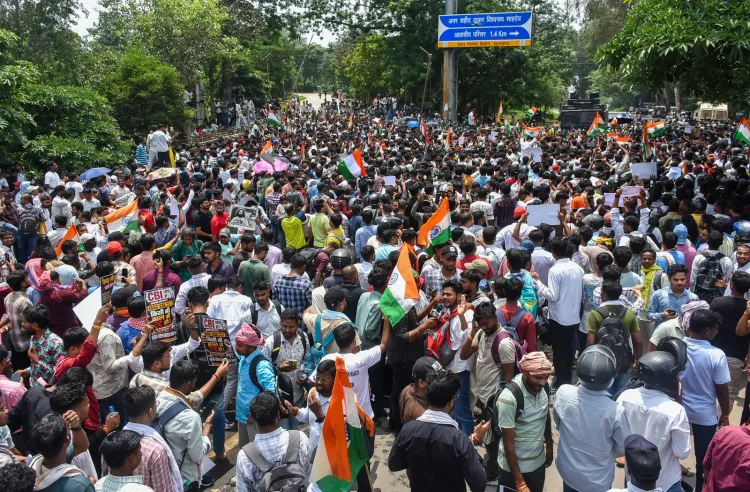
On Day 20 of the Jharkhand student agitation, security has been locked down around Chief Minister Hemant Soren's Ranchi residence ahead of a planned siege on 20 August. With the government conceding 90 per cent of demands but stonewalling on a CBI probe into JPSC and JSSC irregularities, the standoff is entering its most volatile phase yet.
Key Takeaways
Ranchi district administration deployed over 100 additional armed personnel around the Chief Minister's residence on 13 August .
Students are preparing to lay siege to the CM's residence on 20 August over unmet demands in the JPSC and JSSC recruitment irregularities case.
The Jharkhand government has reportedly met 90 per cent of demands, but a CBI probe — the key ask — remains unaddressed.
On 10 August , police used water cannons, tear gas, and lathi-charge to disperse students who had besieged the Jharkhand Legislative Assembly .
Both BJP and Congress have extended support to the protesters; BJP leaders were detained outside the CM's residence.
A 500-metre security perimeter with barricades and drone surveillance is now in place around the CM's Kanke Road residence.
The Ranchi district administration on Thursday, 13 August significantly reinforced security arrangements around Chief Minister Hemant Soren's residence on Kanke Road, as agitating students prepare to lay siege to the official bungalow on 20 August — marking the next major escalation in a nearly 20-day-old protest over alleged irregularities in JPSC and JSSC recruitment examinations. The deployment follows intelligence inputs received by security agencies, even as no formal announcement has been made by the protesters.
Security Deployment on the Ground
More than 100 additional armed personnel have been stationed around the Chief Minister's residence, drawn from the Jharkhand Jaguar and the Jharkhand Armed Police. Authorities have erected barricades along a stretch running from Suchna Bhawan Chowk to Ram Mandir Chowk, creating a security perimeter within approximately 500 metres of the residence.
The road connecting Suchna Bhawan to ATI has been closed to traffic. The entire zone is reportedly under round-the-clock surveillance via drone cameras and other monitoring systems. Vehicles approaching from the Morabadi and Kutchery Chowk sides are being diverted through alternative routes, causing disruption to regular traffic movement on Kanke Road.
What the Students Are Demanding
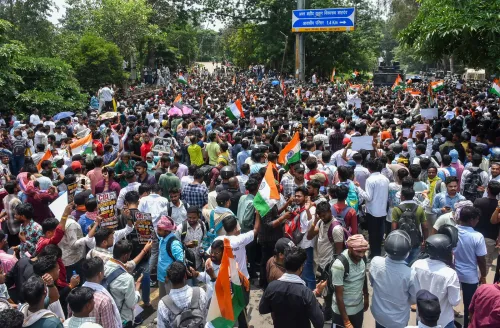
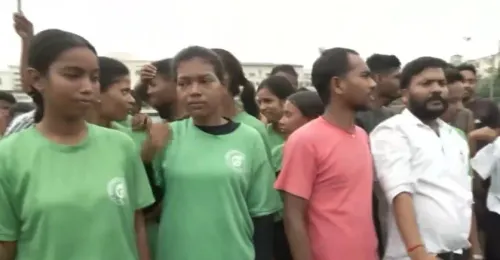
Protesters have been camping at Jaipal Singh Munda Stadium in Ranchi for close to 20 days, pressing for comprehensive reforms in the state's examination system and an impartial investigation into alleged paper leaks and irregularities in the JPSC Civil Services Examination and the JSSC-CGL examination.
According to reports, the Jharkhand government has conceded approximately 90 per cent of the protesters' demands. However, their pivotal demand — a CBI probe into the alleged irregularities — remains unmet, keeping the agitation alive despite multiple rounds of talks between the state administration and student groups.
The August 10 Confrontation
Tensions escalated sharply on 10 August, when students laid siege to the Jharkhand Legislative Assembly, triggering a direct confrontation with police. Authorities deployed water cannons and tear gas before resorting to a lathi-charge to disperse the crowd. In the aftermath, student groups announced plans to intensify their agitation, setting the stage for the planned 20 August action at the CM's residence.
Political Pressure Mounts
Both the Indian National Congress (INC) and the Bharatiya Janata Party (BJP) have extended support to the students, increasing political pressure on the state government. BJP leaders had earlier staged a demonstration outside the Chief Minister's residence and were subsequently detained by police. The cross-party backing has added a sharper political dimension to what began as a student-led movement.
With the government yet to act on the CBI probe demand, protesters have maintained that the agitation will continue until a concrete decision is taken — making the 20 August siege a critical flashpoint for the Jharkhand administration.
Point of View
Hold the line on the one that carries real accountability. A CBI probe into JPSC and JSSC irregularities would mean federal scrutiny of a state recruitment apparatus, which is politically costly for any ruling dispensation. The cross-party support from both BJP and Congress signals that this is no longer purely a student issue — it has become a proxy battle over governance credibility ahead of the political cycle. The administration's deployment of Jharkhand Jaguar forces and drone surveillance around the CM's residence suggests it is preparing for a confrontation, not a resolution.
NationPress
27 Sept 2026
Frequently Asked Questions
Why are students protesting in Jharkhand?
Students have been agitating for nearly 20 days against alleged irregularities and paper leaks in the JPSC Civil Services Examination and the JSSC-CGL examination. They are demanding comprehensive reforms in the state's recruitment system and a CBI probe into the alleged misconduct.
What is the significance of 20 August in the Jharkhand protest?
Student groups are planning to lay siege to Chief Minister Hemant Soren's residence on 20 August as the next major escalation of their agitation. The move follows a similar siege of the Jharkhand Legislative Assembly on 10 August, which ended in a police lathi-charge.
Has the Jharkhand government met the students' demands?
The government has reportedly conceded approximately 90 per cent of the protesters' demands. However, the central demand — a CBI probe into alleged irregularities in the JPSC and JSSC recruitment examinations — remains unmet, keeping the protest active.
What happened during the Jharkhand Legislative Assembly siege on 10 August?
On 10 August, students laid siege to the Jharkhand Legislative Assembly, leading to a confrontation with police. Authorities used water cannons, tear gas, and a lathi-charge to disperse the crowd, after which student groups announced plans to intensify their agitation.
Which political parties have supported the Jharkhand student protest?
Both the Bharatiya Janata Party (BJP) and the Indian National Congress have extended support to the protesting students. BJP leaders staged a demonstration outside the Chief Minister's residence and were subsequently detained by police.