Rahul Gandhi urges Jharkhand CM Soren to meet JPSC protest students
Synopsis
On the 24th day of student protests over JPSC and JSSC exam irregularities in Ranchi, Leader of Opposition Rahul Gandhi has written directly to Jharkhand CM Hemant Soren, pressing him to personally meet agitating students. With a hunger strike under way and a planned siege of the CM's residence on 20 August, the pressure on the Soren government is mounting fast.
Key Takeaways
Rahul Gandhi wrote to Jharkhand CM Hemant Soren on 17 August , urging a personal meeting with protesting students.
The student agitation over JPSC and JSSC exam irregularities entered its 24th consecutive day on Monday.
Students are gathered at Ranchi's Jaipal Singh Munda Stadium ; some are on an indefinite hunger strike .
A fourth round of talks between government representatives and student leaders was scheduled for Monday.
Students have called for a siege of the CM's residence on 20 August if demands remain unmet.
Gandhi's letter accused the BJP and RSS of capturing the Indian education system and undermining its integrity.
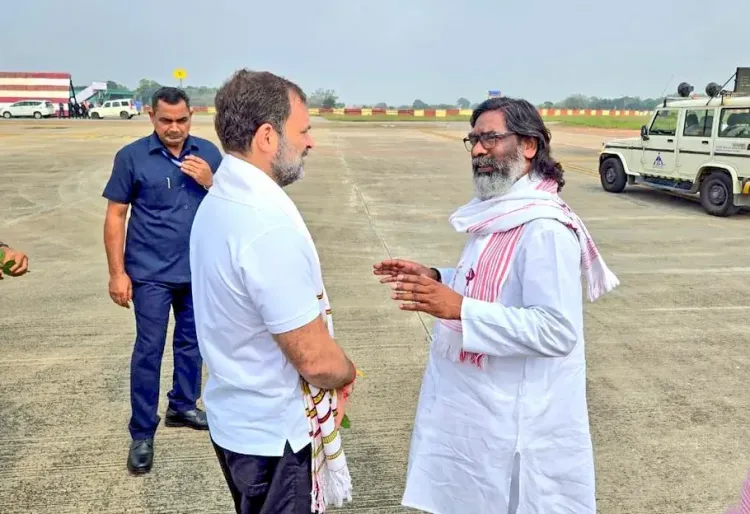
Leader of Opposition in the Lok Sabha, Rahul Gandhi, on Monday, 17 August, wrote to Jharkhand Chief Minister Hemant Soren, urging him to personally meet representatives of students protesting against alleged irregularities in recruitment examinations conducted by the Jharkhand Public Service Commission (JPSC) and the Jharkhand Staff Selection Commission (JSSC). The letter came as the student agitation entered its 24th consecutive day.
State of the Protest
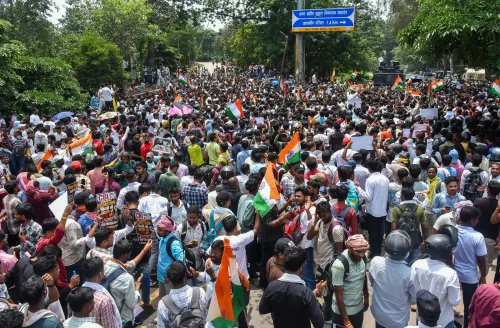
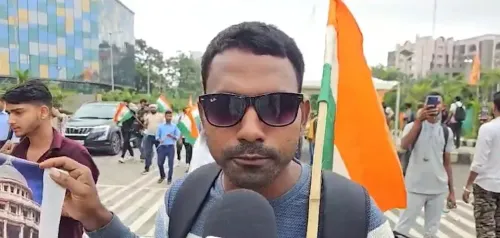
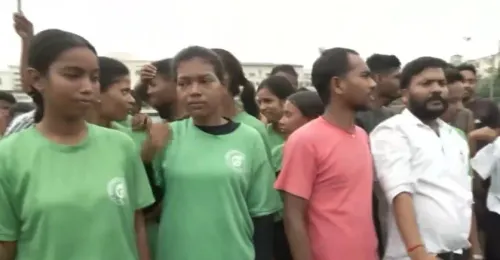
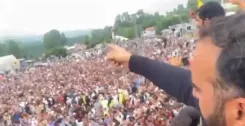
Large numbers of students have been gathered at Ranchi's Jaipal Singh Munda Stadium, pressing for strict action against examination irregularities and demanding accountability from the state government. Some students have escalated their agitation by launching an indefinite hunger strike, raising concerns over their health and the urgency of a resolution.
The demonstrators have also issued a call for a siege of the Chief Minister's residence on 20 August, signalling that the movement is set to intensify if demands remain unaddressed. A fourth round of talks between government representatives and student leaders was scheduled for Monday, with the movement's future direction expected to hinge on its outcome.
What Gandhi's Letter Said
In his letter to Chief Minister Soren, Gandhi wrote, 'The Congress party believes that the right to peaceful protest as enshrined in the Constitution of India is one of the central pillars of our democracy. We have, therefore, offered our full support to students protesting paper leaks and irregularities in the education system over the last few months.'
Gandhi further stated, 'It is also our belief that the Indian education system has been captured by the RSS and BJP and transformed into a tool for the exploitation and oppression of students. It is no longer the robust knowledge system that it used to be a decade ago.'
Acknowledging that the Jharkhand government had already initiated a dialogue through a committee, Gandhi said he appreciated the step but stressed that a personal intervention by the Chief Minister was necessary. 'I am writing to suggest that you personally meet with representatives of the protesting students. This will help reinforce the government's commitment to resolve their remaining concerns,' he wrote.
The Broader Context
The protests are part of a wider pattern of student agitations across India over alleged examination irregularities, paper leaks, and recruitment malpractice — a crisis that has drawn national political attention in recent months. Notably, similar protests have erupted in other states, placing competitive examination integrity at the centre of youth politics ahead of upcoming electoral cycles.
Gandhi concluded his letter with a direct appeal: 'The youth of India is its future. We owe them our solidarity and support at this moment of crisis. Please do your utmost to hear them out and take appropriate action towards the resolution of this issue.'
What Happens Next
The outcome of Monday's fourth round of talks is expected to determine whether the agitation de-escalates or hardens into the planned 20 August action at the Chief Minister's residence. Political observers note that Chief Minister Soren's response to Gandhi's letter — and his willingness to meet students directly — will be closely watched, both within Jharkhand and nationally.
Point of View
An ally in the INDIA bloc, in an uncomfortable spotlight. The tension here is real: Soren leads a state government that the Congress supports nationally, yet Gandhi is publicly pressuring him to act faster. The deeper issue — systemic examination fraud at the JPSC and JSSC — has not been resolved by four rounds of talks, which itself speaks to the complexity of the demands. If the 20 August siege proceeds, it will test both the state government's crowd management and its political credibility with young voters.
NationPress
1 Oct 2026
Frequently Asked Questions
Why are students protesting in Jharkhand?
Students have been protesting for over three weeks against alleged irregularities, paper leaks, and malpractice in recruitment examinations conducted by the Jharkhand Public Service Commission (JPSC) and the Jharkhand Staff Selection Commission (JSSC). They are demanding strict action against those responsible and systemic reforms to the examination process.
What did Rahul Gandhi ask Jharkhand CM Hemant Soren to do?
Gandhi urged Chief Minister Soren to personally meet with representatives of the protesting students, arguing that a direct intervention by the CM would reinforce the government's commitment to resolving outstanding concerns. He also expressed solidarity with the students' right to peaceful protest.
How long have the Jharkhand student protests been going on?
The protests entered their 24th consecutive day on Monday, 17 August, making it one of the more sustained student agitations in Jharkhand in recent years. Some students have also begun an indefinite hunger strike to press their demands.
What is planned for 20 August?
Protesting students have called for a siege of Chief Minister Hemant Soren's official residence on 20 August if their demands are not addressed. The action is contingent on the outcome of the fourth round of government-student talks scheduled for Monday.
Where are the students protesting?
The students are gathered at Jaipal Singh Munda Stadium in Ranchi, Jharkhand, where they have been holding a continuous demonstration to press for accountability over examination irregularities.