CM Samrat Chaudhary Pays Floral Tribute to Birsa Munda on Jyanti
Synopsis
Bihar Chief Minister Samrat Chaudhary paid floral tribute to Birsa Munda at a life-size statue during a state ceremony on 15 November 2026, marking Janjatiya Gaurav Diwas, the national Tribal Pride Day instituted in 2021 to honour the legendary Munda leader's legacy.
Key Takeaways
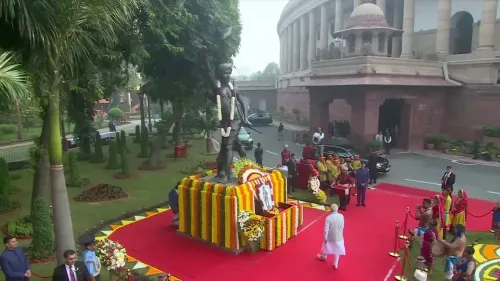
CM Samrat Chaudhary garlanded a life-size statue of Birsa Munda at a formal state function in Bihar on 15 November 2026 .
15 November is observed as Janjatiya Gaurav Diwas (Tribal Pride Day) across India, a designation conferred by the Government of India in 2021 .
Birsa Munda was born on 15 November 1875 and led the Ulgulan uprising against British colonial land policies in the Chota Nagpur region.
Bihar's observance mirrors similar annual ceremonies held in Jharkhand, Odisha, Chhattisgarh , and other states with significant tribal populations.
Birsa Munda, revered as Dharti Aaba , died in British custody in 1900 at age 25, making him one of India's youngest and most iconic freedom fighters.
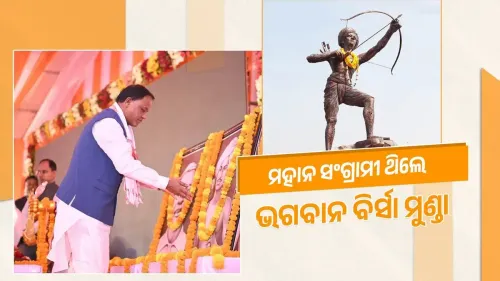
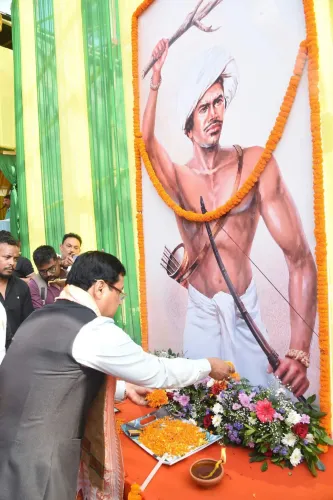
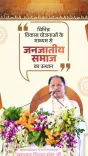
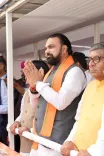
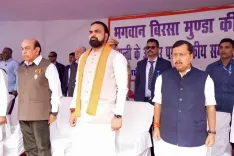
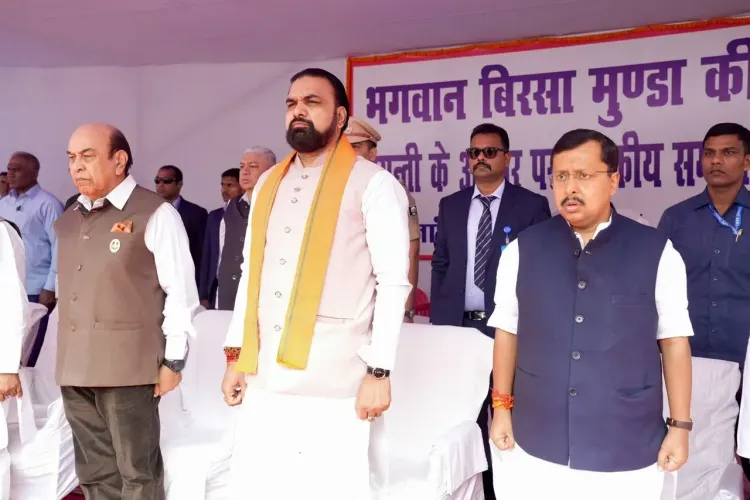
On the birth anniversary of Birsa Munda — the tribal icon who shook British colonial power with bare-handed defiance — Bihar Chief Minister Samrat Chaudhary garlanded a life-size statue of the freedom fighter at a state ceremony on Sunday, 15 November 2026, marking Janjatiya Gaurav Diwas with solemn official honours.
A Life-Size Statue, a State Ceremony
The Chief Minister's Office of Bihar confirmed that CM Chaudhary offered a wreath at the full-scale statue of Birsa Munda during a rajkiya samaroh — a formal state function — convened specifically for the occasion. The act of maalyarpan, or floral offering, is the customary centrepiece of such remembrance events, and the life-size statue underscored the gravity with which the Bihar government treated the anniversary.
Who Was Birsa Munda — and Why 15 November Matters
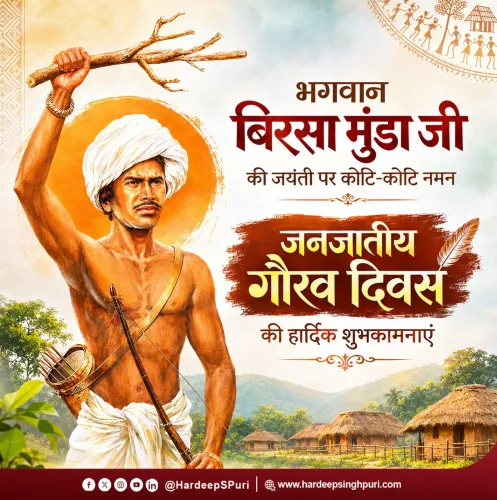
Birsa Munda, born on 15 November 1875 in the Chota Nagpur plateau region, led the Ulgulan — the Great Tumult — a late-19th-century uprising of the Munda tribal community against exploitative British land policies and the zamindari system. Revered as Dharti Aaba (Father of the Earth), he remains one of the most potent symbols of indigenous resistance in Indian history. He died in British custody in 1900, aged just 25, but his legacy endures as the foundation of tribal identity politics across eastern and central India.
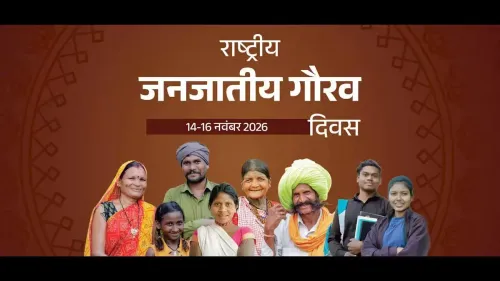
In 2021, the Government of India formally declared 15 November as Janjatiya Gaurav Diwas — Tribal Pride Day — to institutionalise recognition of tribal contributions to the freedom struggle and to mainstream the memory of leaders like Birsa Munda into the national calendar.
Bihar's Place in a National Pattern of Tribal Remembrance
Bihar's observance sits within a wider annual circuit of state-level ceremonies held across Jharkhand, Odisha, Chhattisgarh, and West Bengal — states that share the Chota Nagpur demographic and cultural heritage. For Bihar, which retains a significant Scheduled Tribe population in its southern districts, the event carries both cultural weight and political resonance as governments signal commitment to tribal welfare and historical dignity.
Point of View
An arc that carries clear electoral logic in states with sizeable Scheduled Tribe constituencies. For Chief Minister Chaudhary, presiding over a full-dress state ceremony elevates the occasion beyond symbolic gesture and signals administrative seriousness about tribal recognition. The life-size statue as the focal point is itself politically significant: monumental public art in honour of tribal icons has become a recurring instrument of outreach in eastern India. Whether the ceremony catalyses concrete welfare announcements will determine whether the tribute translates into durable policy momentum.
NationPress
15 Nov 2026
Frequently Asked Questions
Why is 15 November celebrated as Janjatiya Gaurav Diwas?
15 November is the birth anniversary of tribal leader and freedom fighter Birsa Munda. The Government of India declared it Janjatiya Gaurav Diwas in 2021 to honour tribal contributions to India's freedom struggle.
Who was Birsa Munda?
Birsa Munda was a tribal leader born on 15 November 1875 in the Chota Nagpur region. He led the Ulgulan (Great Tumult) uprising against British colonial land exploitation and is revered as Dharti Aaba — Father of the Earth. He died in British custody in 1900 at age 25.
What did Bihar CM Samrat Chaudhary do on Janjatiya Gaurav Diwas 2026?
CM Samrat Chaudhary garlanded a life-size statue of Birsa Munda and offered floral tribute at a formal state ceremony organised on the occasion of Birsa Munda's birth anniversary on 15 November 2026.
When was Janjatiya Gaurav Diwas first declared?
The Government of India declared 15 November as Janjatiya Gaurav Diwas in 2021, coinciding with Birsa Munda's birth anniversary.
Which states observe Janjatiya Gaurav Diwas with official ceremonies?
States with significant Scheduled Tribe populations — including Bihar, Jharkhand, Odisha, Chhattisgarh, and West Bengal — typically hold state-level ceremonies on 15 November to mark Janjatiya Gaurav Diwas.