Odisha CMO honours Birsa Munda on Janjatiya Gaurav Diwas
Synopsis
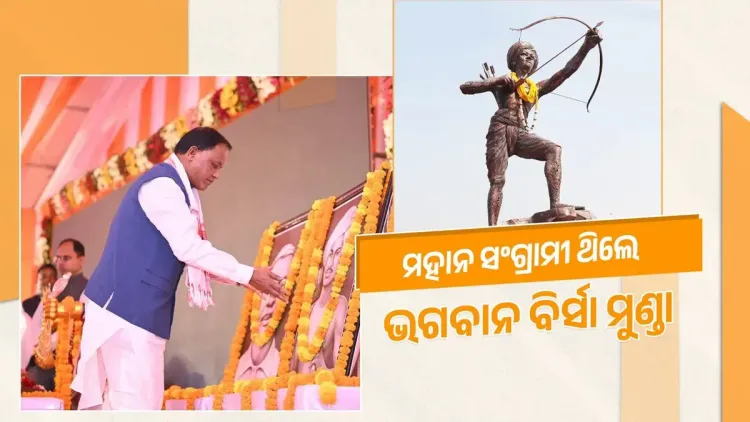
On Janjatiya Gaurav Diwas, the Chief Minister's Office of Odisha honoured Birsa Munda — the Munda tribal leader who led the Ulgulan uprising against British rule in the 1890s — saluting his courage, patriotism, and sacrifice as an immortal chapter in India's freedom struggle.
Key Takeaways
Janjatiya Gaurav Diwas is observed every 15 November , coinciding with Birsa Munda's birth anniversary.
The national observance was instituted by the Government of India in 2021 to recognise tribal contributions to the freedom struggle.
Birsa Munda (1875–1900) led the Ulgulan movement against British land policies in the Chotanagpur region.
The Chief Minister's Office of Odisha paid tribute in Odia, calling his courage and sacrifice 'an immortal chapter' in India's independence history.
Odisha is home to significant Munda and other tribal communities, making the commemoration especially resonant at the state level.
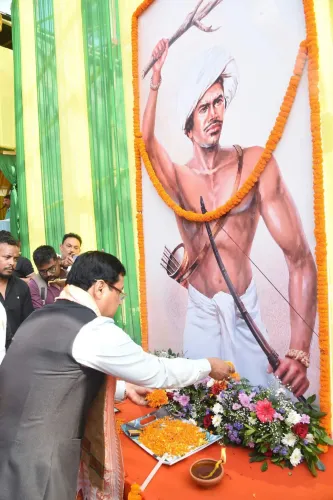
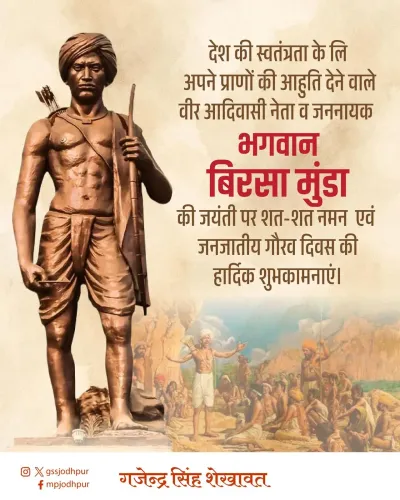
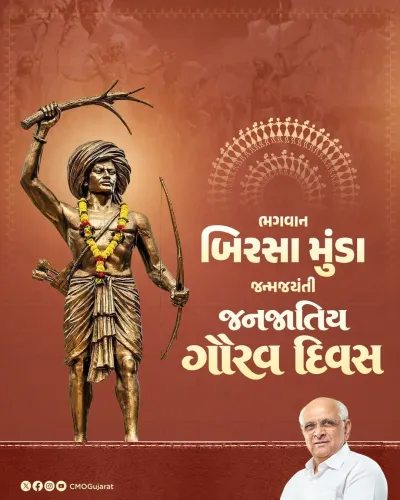
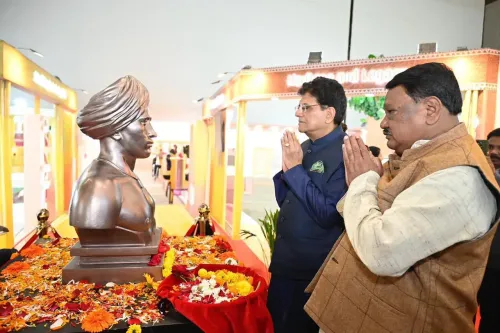
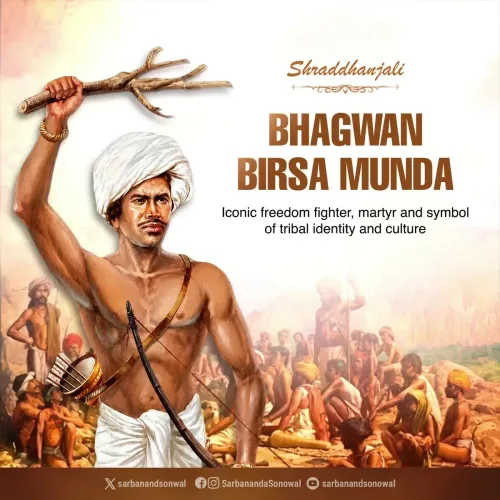
A freedom fighter who never held a government post but shook an empire — Birsa Munda's birth anniversary on 15 November is being observed across India as Janjatiya Gaurav Diwas, and the Chief Minister's Office of Odisha has marked the occasion with a tribute to his courage and sacrifice.
The post, written in Odia, honours Munda's indomitable bravery, patriotism and sacrifice as an immortal chapter in the history of India's freedom struggle — 'ଭଗବାନ ବିର୍ସା ମୁଣ୍ଡାଙ୍କ ଅଦମ୍ୟ ସାହସ, ଦେଶପ୍ରେମ ଓ ବଳିଦାନ ଭାରତର ସ୍ୱାଧୀନତା ସଂଗ୍ରାମର ଇତିହାସରେ ଏକ ଅମର ଅଧ୍ୟାୟ' — a sentiment that cuts to the heart of why the day exists at all.
Who was Birsa Munda — and why does he still matter?
Born in 1875 in the Chotanagpur region, Birsa Munda led the Ulgulan — the Great Tumult — a fierce resistance movement against British land-grab policies and missionary encroachment in the late 1890s. He rallied the Munda tribal communities into a cohesive force that challenged both colonial administration and feudal landlords, earning the reverential prefix 'Bhagwan' (God) from his people. He died in 1900, aged just 25, yet his rebellion permanently shaped how colonial authorities dealt with tribal land rights in central India.
From regional memory to national commemoration
The Government of India formally instituted Janjatiya Gaurav Diwas on 15 November 2021 — Munda's birth anniversary — specifically to weave tribal resistance histories into the mainstream independence narrative. The move acknowledged that generations of Adivasi fighters had long been footnotes in a story dominated by other movements. Odisha, home to significant Munda and other tribal populations across its eastern and central districts, has been an active participant in the annual commemoration at both state and institutional levels.
A pattern of reclaiming indigenous heritage
The CMO's tribute sits within a broader, sustained national pattern: since 2021, each 15 November has seen state governments, tribal welfare ministries, and cultural bodies amplify the legacies of indigenous freedom fighters who took on the British well before the more-documented urban uprisings of the twentieth century. The day serves as both a cultural reclamation and a signal of policy intent toward Adivasi communities in eastern India and beyond. Whether the anniversary prompts fresh announcements on tribal welfare schemes or cultural programmes in Odisha will be one to watch through the day.
Birsa Munda fought without an army, without resources, and without living to see thirty — yet his Ulgulan echoes in every conversation India still has about land, identity, and belonging.
Point of View
Elite register — integrating tribal resistance into a shared national identity. For Odisha, with its dense Adivasi belt, state-level participation is both symbolically necessary and politically significant, signalling alignment with central government cultural priorities. The question the pattern raises is whether ceremonial commemoration will consistently translate into substantive tribal welfare and land-rights outcomes, or whether the day risks becoming a ritual detached from policy momentum.
NationPress
15 Nov 2026
Frequently Asked Questions
What is Janjatiya Gaurav Diwas and why is it celebrated on 15 November?
Janjatiya Gaurav Diwas is a national observance held on 15 November each year to mark the birth anniversary of tribal leader Birsa Munda and to recognise the contributions of indigenous communities to India's freedom struggle. The Government of India instituted the day in 2021 .
Who was Birsa Munda and what did he do?
Birsa Munda (1875–1900) was a Munda tribal leader from the Chotanagpur region who led the Ulgulan (Great Tumult) — a revolt against British land-grab policies and feudal landlords in the late 1890s. He is revered as 'Bhagwan' by his community.
What did the Odisha CMO post for Janjatiya Gaurav Diwas 2026?
The Chief Minister's Office of Odisha posted a tribute in Odia on 15 November 2026 , describing Birsa Munda's indomitable bravery, patriotism, and sacrifice as 'an immortal chapter in the history of India's freedom struggle.'
When did the Indian government start Janjatiya Gaurav Diwas?
The Government of India formally instituted Janjatiya Gaurav Diwas in 2021 , choosing 15 November — Birsa Munda's birth anniversary — as the designated date for the annual national commemoration.
Why is Birsa Munda called 'Bhagwan'?
Birsa Munda earned the reverential prefix 'Bhagwan' (meaning God or divine) from the Munda tribal community because of his charismatic leadership, his role as a spiritual-political figure, and his fearless resistance against both British colonial rule and feudal landlords in the Chotanagpur region.