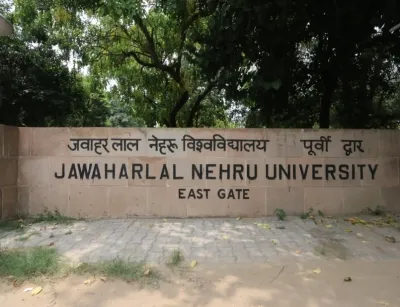
14 JNU Students Urge Delhi HC to Expedite Bail Process from Tihar Jail
Synopsis
Fourteen JNU students, recently granted bail, have petitioned the Delhi High Court to expedite their release from Tihar Jail. This legal move comes amidst concerns about stringent documentation requirements that may delay their freedom until after Holi.
Key Takeaways
Fourteen JNU students seek rapid release from Tihar Jail.
Legal representatives filed a petition in the Delhi High Court .
Students face potential custody until after the Holi festival .
Conditions for bail included strict document verification .
Police report violence during the protest, impacting students' release.
New Delhi, Feb 28 (NationPress) A group of fourteen students from Jawaharlal Nehru University (JNU), who were granted bail just a day before, have approached the Delhi High Court on Saturday to expedite the verification of documents and other necessary procedures for their prompt release from Tihar Jail, as stated by their attorney.
The legal representatives of the students submitted a petition to the Registrar General of the High Court, requesting an urgent hearing aimed at facilitating their release before the address verification requirements are fulfilled.
This group, which includes JNUSU president Aditi Mishra and other prominent figures, is facing the prospect of remaining in Tihar over the weekend, potentially until Holi on March 4, due to strict documentation stipulations, according to their lawyer.
The students are advocating for their release from judicial custody even prior to the verification of their permanent addresses, a prerequisite imposed by the Patiala House Court when they were granted bail on Friday.
The court highlighted the stringent verification requirement, citing the students' previous reluctance to share accurate personal information and their failure to designate family or friends who could provide details regarding their arrest.
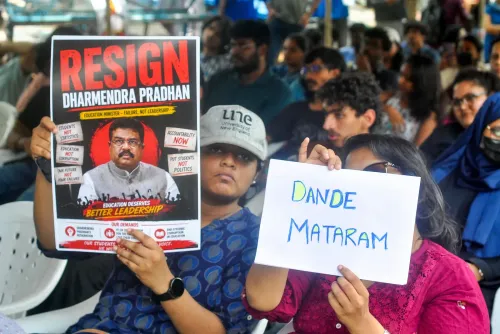
On Friday, the students, including three officials from the JNU Students’ Union, were presented before the Patiala House Court after being detained during a clash with police on Thursday.
During the court proceedings, the Delhi Police argued that judicial custody was essential to further the investigation, asserting that the protest had escalated into violence.
The police reported that approximately 300 demonstrators attempted to conduct a “Long March” without prior approval. When law enforcement intervened with barricades, the protesters allegedly clashed with officers and engaged in physical altercations.
The police maintained that the demonstration was not peaceful, resulting in injuries to several personnel during the confrontation.
The investigating body informed the court that many individuals among the accused had a history of participating in protests where force was purportedly used, leading to the filing of four separate FIRs related to similar incidents in the past.
In opposition to the request for judicial custody, the defense counsel argued that the students were ready to cooperate with the investigation and were willing to provide a written assurance to that effect to the court.
After considering both arguments, the court approved bail for all 14 accused upon the submission of bail bonds amounting to Rs 25,000 each.
The altercation occurred on Thursday as students attempted to march beyond the JNU campus despite the administration's announcement that no permissions had been granted for protests outside university grounds.
The Delhi Police asserted that the protesters resorted to violent behavior, including physically assaulting officers, while students and the JNU Teachers Association condemned the “excessive use of force and infringement of democratic rights.”
Point of View
The situation highlights the tension between the state and university protestors, raising questions about civil liberties and the right to dissent in India.
NationPress
29 Sept 2026
Frequently Asked Questions
Why did the JNU students approach the Delhi High Court?
The JNU students sought the Delhi High Court's intervention to expedite the document verification process required for their release from Tihar Jail after being granted bail.
What conditions were set by the court for the students' bail?
The court mandated that the students must undergo address verification as a condition for their bail.
What incident led to the students' arrest?
The students were arrested during a protest that escalated into a confrontation with the police, where violence was reported.
What is the significance of the Holi festival in this context?
The students are concerned that they may remain in custody until after the Holi festival on March 4, impacting their ability to celebrate.
How did the police respond to the student protest?
The police claimed that the protest was violent, resulting in injuries to officers and asserting the need for judicial custody for further investigation.