JPC in Odisha reviews bills to decriminalise politics, force ministers to quit if jailed
Synopsis
A JPC reviewing three sweeping political reform bills — including a provision that would force ministers, chief ministers, and even the prime minister to resign if held in custody — visited Odisha for stakeholder consultations. The initiative, described as a milestone in India's democratic journey, has drawn broad consensus on intent even as some provisions remain contested.
Key Takeaways
BJP MP Aparajita Sarangi -led JPC held consultations in Bhubaneswar on 29 April 2025 on three political reform bills.
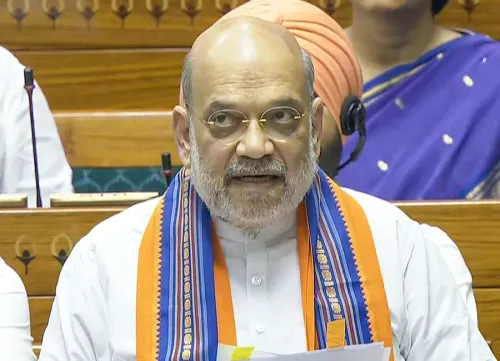
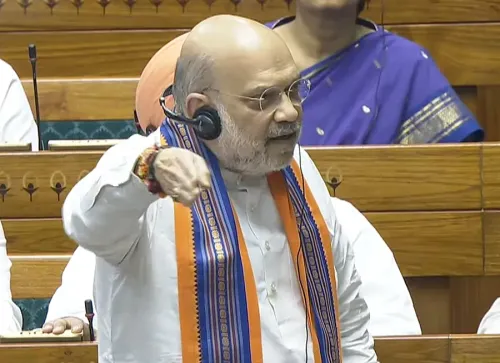
The bills were introduced by Union Home Minister Amit Shah in the Lok Sabha on 20 August 2025 and referred to the JPC in November 2025 .
A key provision would require any minister, chief minister, or prime minister to step down if held in custody beyond a defined period.
The JPC has so far consulted state governments including Odisha and Maharashtra , alongside multiple institutions and experts.
Sarangi said there is broad consensus on the intent of the bills, with no stakeholder questioning the need to decriminalise politics.
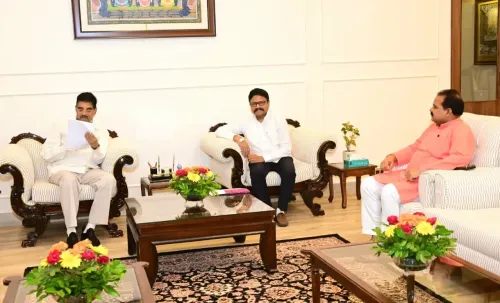
A Joint Parliamentary Committee (JPC) chaired by Bharatiya Janata Party (BJP) Member of Parliament Aparajita Sarangi on Wednesday, 29 April 2025, held detailed discussions with senior officials of the Odisha government and various organisations in Bhubaneswar on three landmark legislative proposals aimed at decriminalising Indian politics. The bills under review are the Constitution (130th Amendment) Bill, 2025; the Jammu and Kashmir Reorganisation (Amendment) Bill, 2025; and the Union Territories Government (Amendment) Bill, 2025.
Background and Origin of the Bills
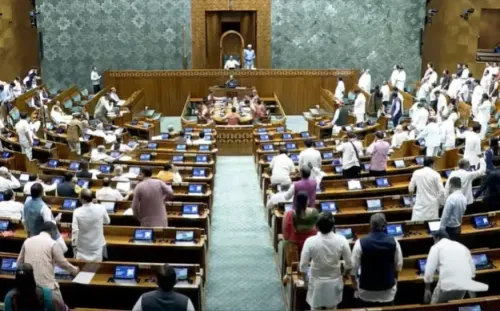
The three bills were introduced in the Lok Sabha by Union Home Minister Amit Shah on 20 August 2025. Following disruptions in the House, all three were referred to a Joint Parliamentary Committee in November 2025. The committee held its inaugural meeting on 4 December 2025 and has since conducted extensive stakeholder consultations across the country, including visits to state governments and invitations to experts and institutions to present their views in New Delhi.
Key Provision: Ministers Must Quit if Held in Custody
One of the most significant and far-reaching provisions in the proposed legislation mandates that any minister, chief minister, or even the prime minister would be required to relinquish office if they remain in custody beyond a specified period. Sarangi described this as a measure to ensure no one governs from behind bars.
Point of View
Which explains why the JPC is investing heavily in a consultative process rather than fast-tracking the legislation. The broader question mainstream coverage has underplayed is implementation: who determines the 'specified period' in custody, and which authority triggers the resignation? Without airtight definitions, the provision risks becoming a tool for politically motivated arrests. India's history of preventive detention laws being weaponised by ruling parties at both Centre and state levels makes this a legitimate concern that the committee's final report must address head-on.
NationPress
18 Sept 2026
Frequently Asked Questions
What are the three bills being reviewed by the JPC in Odisha?
The three bills are the Constitution (130th Amendment) Bill, 2025; the Jammu and Kashmir Reorganisation (Amendment) Bill, 2025; and the Union Territories Government (Amendment) Bill, 2025. All three were introduced in the Lok Sabha by Union Home Minister Amit Shah on 20 August 2025 and referred to a Joint Parliamentary Committee in November 2025.
What is the key provision in these political reform bills?
A central provision mandates that any minister, chief minister, or prime minister must relinquish office if they remain in custody beyond a specified period. The measure is designed to prevent elected officials from continuing to govern while detained.
Who is leading the Joint Parliamentary Committee reviewing these bills?
The JPC is chaired by BJP Member of Parliament Aparajita Sarangi. The committee held its first meeting on 4 December 2025 and has been conducting nationwide stakeholder consultations since then.
Is there political consensus on these bills?
According to Sarangi, there is broad consensus on the intent behind the bills, with no stakeholder questioning the need to decriminalise politics. However, she acknowledged differing opinions on certain specific provisions.
Will these laws apply across all political parties?
Yes, Sarangi confirmed the legislation would apply uniformly across party lines once enacted, binding all public officeholders irrespective of party affiliation.